
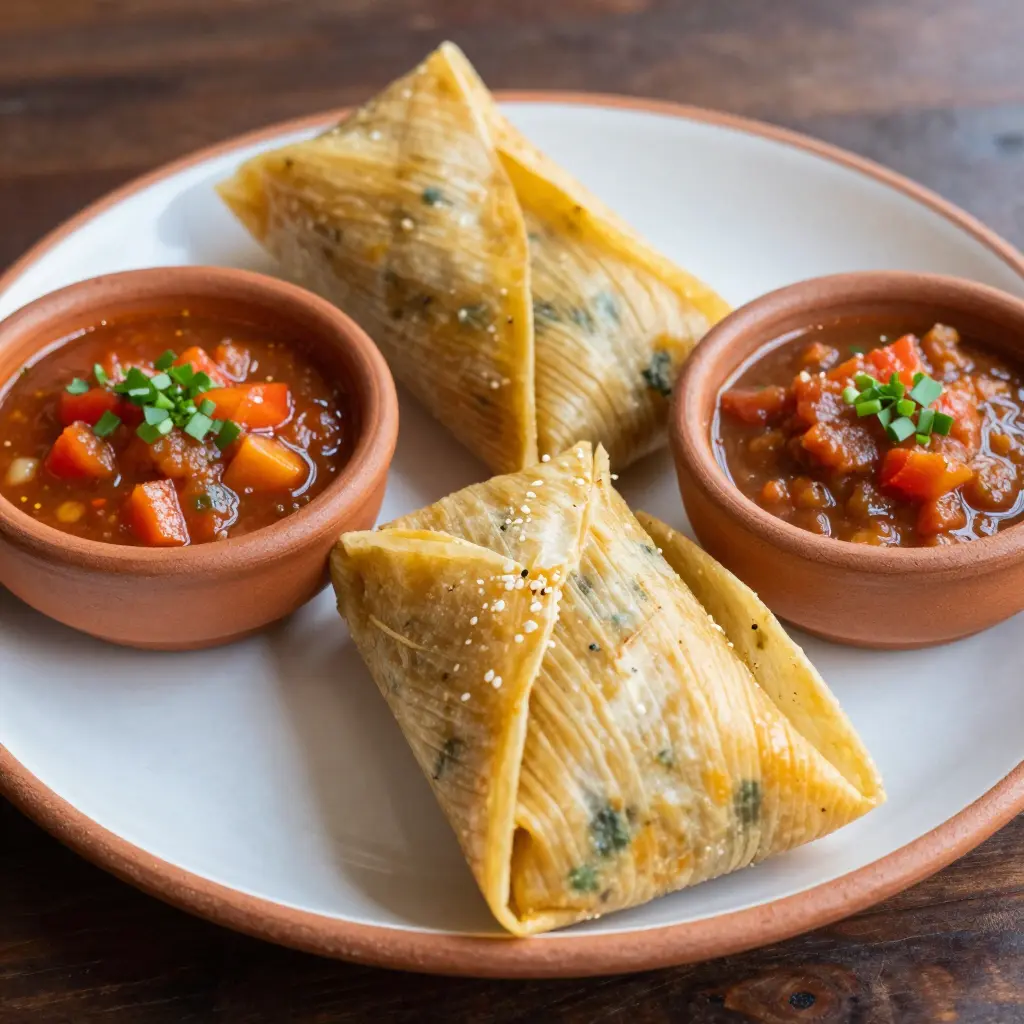
El Canelo Restaurant Tamales: A Local Tradition Worth Planning Around
El Canelo makes its tamales in small batches, wraps them in softened corn husks, and steams them until the kitchen smells of toasted corn and warm chiles. Regulars plan the week around the Friday batch, and it is easy to see why. If you want the full story on the kitchen, the restaurant’s main page is here.
Every tamale begins with masa, the steamed corn dough that carries most of the flavor and all of the texture. The kitchen whips it with fat, broth, and salt until it is light and tender but still rich, moist enough to feel indulgent and firm enough to hold together once the husk comes off.
Salsa is where the kitchen finishes the job. Each variety is matched to a filling so it adds heat, acid, or smoke without burying the sweet corn underneath.
Friday is the day that shapes how people order. Tamales are made in limited numbers each week, and the most popular fillings tend to go first. Showing up earlier in the day gives you a better shot at a full tray and your first choice of fillings.
The Masa Makes the Tamale: Texture as the Signature of El Canelo
Before you taste a single filling, your teeth meet the masa. A good one is soft and yielding with a faint springiness; a bad one is either dense as a brick or so loose it steams into paste. At El Canelo restaurant tamales, masa is treated as a lead ingredient rather than a wrapper, and its texture is built on purpose.
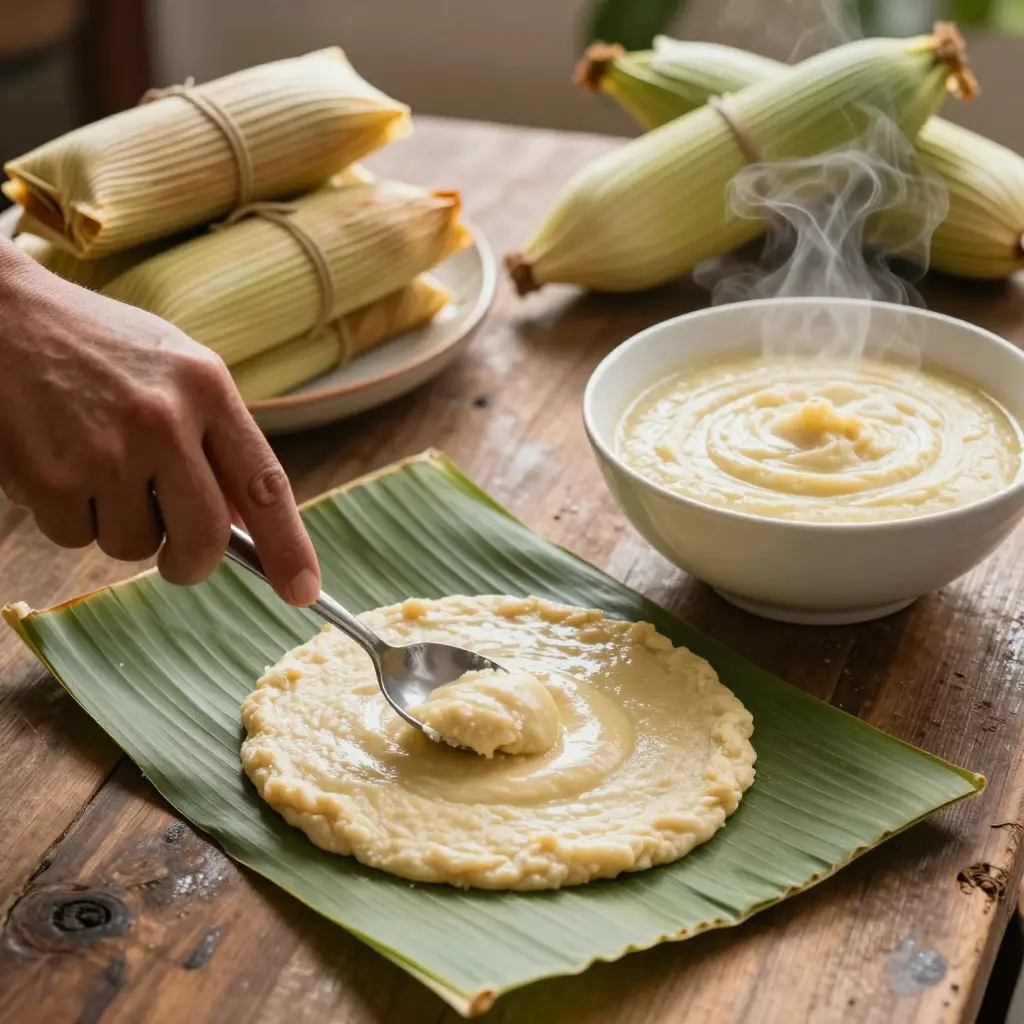
How the Masa Comes Together
It starts with nixtamalized corn ground into a warm, fragrant dough. The cook whips it with lard or a good vegetable shortening, adds a splash of savory broth and a pinch of salt, and keeps beating and folding until the masa holds a soft peak and clings lightly to the fingers. The whipping is what traps air, and trapped air is what gives finished masa its lift.
Why Texture Matters
Masa texture decides whether a tamale feels luxurious or heavy. A dense dough sits in the stomach like a brick. A loose, watery one steams into a gummy paste. The sweet spot is tender enough to melt against the roof of your mouth and sturdy enough to cradle a generous scoop of filling without tearing. When the dough is right, you barely notice it. When it is wrong, you cannot stop noticing.
Smooth vs. Coarse Masa
Smooth vs. coarse masa is a style choice, not a right-or-wrong one. A silky, finely ground masa reads as refined and delicate. A slightly coarse grind keeps little flecks of corn and a rustic chew. El Canelo leans toward the smoother side for its signature tamales, which lets the slow-cooked fillings and bright salsas take the lead while the masa plays a soft, supportive role underneath. You can read more about the kitchen’s approach at El Canelo restaurant.
The Steamed Finish
Inside the steamer, the masa hydrates, firms up, and sets into that cushiony texture. Over-steam it and the dough turns heavy; rush it and the center stays raw. Timing is everything, and it is why the best tamales arrive hot, glossy, and just barely holding together.
Why the Difference Shows
A well-made masa consistency carries the salsa instead of fighting it, tempering heat and letting smoky, tangy notes come through. That is what a good tamale does in the end: the masa never shouts, but it decides every bite.
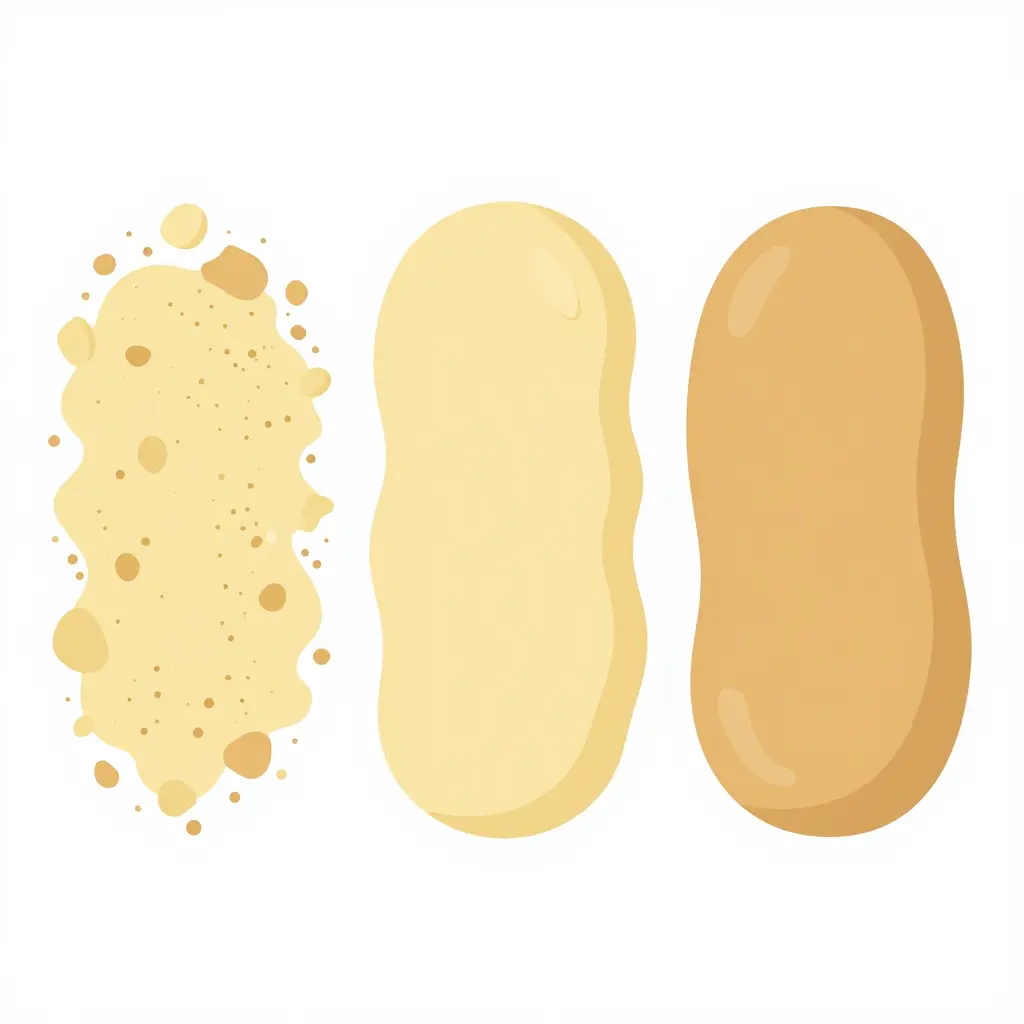
Three visual cues tell you where a batch sits on the scale: crumbly and moist on the left, softly spreadable in the middle, firm and smooth on the right. Read left to right and you can almost feel the dough move from a loose, sandy clump that barely holds together to a glossy dome that springs back under your thumb.
Salsa Pairings for El Canelo Tamales
At El Canelo, salsa is part of the recipe, not a garnish. The kitchen matches heat, acidity, smokiness, and freshness to each filling so nothing gets buried.
Red salsa with pork. The house red is built on toasted dried chiles, so it tastes smoky and gently warm rather than fiery. It coats a rich pork tamale without overpowering it, echoing the chile already folded into the meat.
Green salsa with chicken. Salsa verde brings the acidity. Tangy and bright, it slices through the denser masa and keeps lighter fillings like chicken or cheese from feeling heavy. A squeeze of lime and a spoon of this over the top is the freshest way to eat a tamale.
Chile de árbol with cheese. This is the hot one. Chile de árbol delivers a sharp, clean burn that creeps up slowly, which is why it is reserved for simple cheese or vegetable tamales. There is nothing to hide behind, so the salsa has to carry the dish.
Pico-style with sweet tamales. A fresh, chunky tomato-and-onion salsa keeps dessert tamales from turning cloying. The acidity resets your palate and lets the sweetness read clearly.
The table below sorts each salsa by heat, acidity, smokiness, and freshness so you can pick at a glance.
| Salsa | Flavor Profile | Heat Level | Best-Paired Tamale |
|---|---|---|---|
| Salsa Verde | Bright, tangy, tomatillo-forward with a fresh herbal snap | Mild to medium | Chicken tamales in green sauce |
| Salsa Roja | Deep, rounded tomato and dried chile richness with a gentle smoky edge | Medium | Pork tamales in red chile sauce |
| Salsa de Chile de Arbol | Sharp, toasted, dry-chile bite with a quick, clean heat | Hot | Cheese tamales and plain masa |
| Smoky Chipotle Salsa | Earthy, barbecue-like smoke with a slow, lingering burn | Medium-hot | Beef tamales and rajas |
| Fresh Pico-Style Salsa | Crisp, citrusy, raw tomato and onion with a garden-fresh lift | Mild | Sweet corn tamales |
One practical rule: pair across the heat scale rather than within it. A mild, creamy tamale can take the hottest salsa on the bar, while a bold, saucy one is better with something cool and crisp. If you want the background behind these pairings, it is worth reading about the Michoacan tamale tradition that shapes so much of what lands on the plate.
The Friday Sellout Window: When to Get Fresh Tamales at El Canelo
The Friday sellout window is not a secret, but it does move fast. Tamales come out of the steamer in limited batches, with the first tray on the counter at opening and a bigger push as the lunch crowd builds. For the widest selection, come before 1 p.m. After that the trays thin out, and the favorite fillings go first.
Demand arrives in two waves. The lunch rush runs from noon to 2 p.m., when office workers and neighborhood regulars buy by the dozen rather than the single. The kitchen often sets out a mid-afternoon restock, but it rarely lasts. A second, gentler wave comes between 5 and 6:30 p.m. as families pick up dinner. Supply stays ahead of demand until roughly 6:30 p.m., and by about 8 p.m. the steamers are empty.
Why Friday Is the Busiest Day
Friday is when El Canelo sells the most tamales, and the kitchen plans for it. Production ramps up, regulars time their week around it, and the masa texture stays at its best only while the tamales are still warm. That freshness window is short, which is why people show up early. You can read more about the kitchen and its traditions on the El Canelo Restaurant page.
If you want the short version:
- Best selection: 11 a.m. to 1 p.m.
- Busiest crush: noon to 2 p.m.
- Still a good chance: 5 to 6 p.m.
- Typical sellout: by about 8 p.m.
The Friday Sellout Window, in Living Color
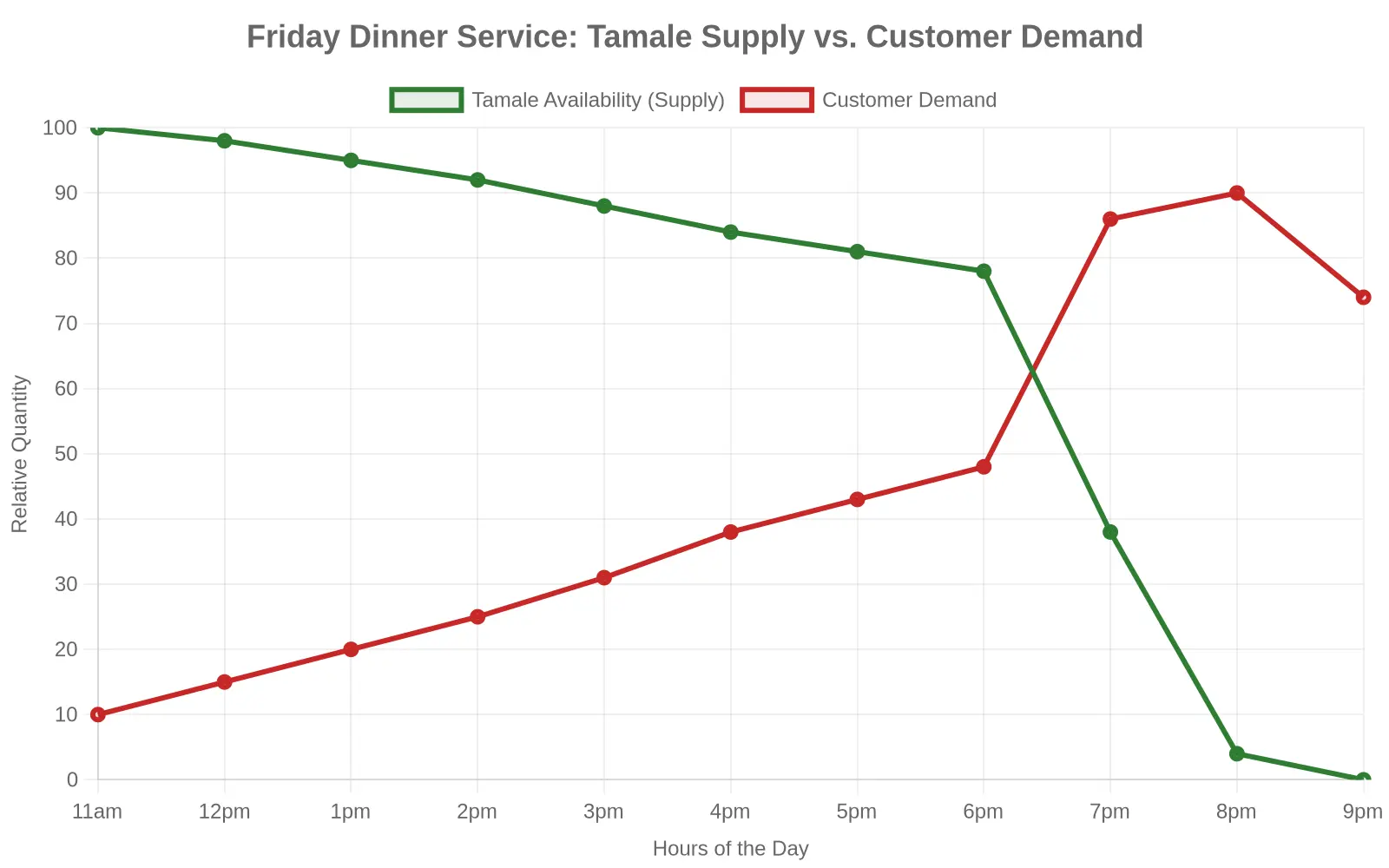
If you have ever walked into El Canelo late on a Friday and heard that the tamales are gone, this chart explains why. It plots a single Friday service from open to close: the green line tracks tamale availability leaving the kitchen, and the red line tracks customer demand rising through the day.
Here is how to read it:
- From open until about 5 p.m., supply comfortably leads demand. This is your relaxed window: masa still warm, the steam trays full, and no line at the counter.
- Around 6:30 p.m., the two lines cross. Demand finally overtakes supply as the dinner rush collides with a day’s worth of steady selling.
- By 8 p.m., the gap is gone. Supply flattens toward zero while demand is still near its peak.
The practical takeaway is simple: arrive before the lines cross. If you want your pick of El Canelo’s Friday tamale lineup, aim for the 5 to 6 p.m. window, when the kitchen is still generous and the dining room has not yet filled. Want to pair that timing with the right masa texture and salsa combination from the menu? Come early, ask the counter what is fresh off the steamer, and let them steer you toward the batch that just came out.
Friday Sellout Window: Timing Tips
Here is the quick-reference version for anyone planning a Friday run to El Canelo restaurant.
- Arrive by 11:30 a.m.; the first tamale tray usually hits the counter at opening.
- If lunch is impossible, come between 2 and 4 p.m., when a second batch refreshes the steamers.
- Do not wait until late evening; supply runs out around 8 p.m.
- Prioritize rajas and chicken in green salsa tamales, which disappear first.
- Grab mole and red chile pork tamales early if those are your cravings.
- Call ahead and ask what remains in the current batch before you drive over.
- Ask staff when the next tray is due if your favorite is already gone.
- Order extras to freeze; the masa holds its texture well.
For first-timers, the masa texture and salsa pairings shine most when the tamales are still warm, so timing matters as much as the recipe.
FAQ: El Canelo Restaurant Tamales
What makes the masa texture so distinctive?
The masa at El Canelo is the first thing regulars mention. Each batch is whipped with fat until the dough turns glossy and pillowy, then tested by hand until a small ball floats in water. That process gives you a tamale that is tender and airy, never dense or gummy, with a soft crumb that yields the moment your fork presses in.
Which salsa pairings work best?
Good pairings depend on the filling. Red chile salsa brings smoky heat that flatters shredded pork, while a bright tomatillo verde cuts through the richness of chicken and cheese. For rajas or veggie tamales, a roasted tomato salsa keeps things mellow. Ask for a small trio on the side and taste your way through; there is no wrong answer.
When exactly is the Friday sellout window?
Tamales go on sale Friday at 11 a.m., and the best selection lasts until about 1 p.m. The most popular fillings, including pork in red chile and the sweet corn, often run out during the early afternoon. If you want a full tray for a crowd, arrive before noon or call ahead.
How should I store leftover tamales?
Keep them wrapped in their husks and refrigerate for up to four days. For longer storage, wrap each tamale tightly and freeze for up to two months. The husk protects the masa from drying out, so leave it on until you are ready to eat.
What’s the best way to reheat them?
Steaming is the gold standard: 15 to 20 minutes over simmering water restores that fresh, supple masa texture. In a hurry, wrap a tamale in a damp paper towel and microwave for 60 to 90 seconds. Avoid the oven, which dries the husk and toughens the dough.
How do I place an order?
Walk in during opening hours, or phone ahead for large trays and holiday batches. Tamales are also available by the dozen for pickup. Order early in December, which is peak tamale season.
More about the kitchen and its story is on the main page.
Storing and Reheating Your El Canelo Tamales
Tamales taste best the day you bring them home, and with that Friday sellout window, many regulars grab a dozen and stretch them through the week. A little care keeps the masa soft and tender instead of turning dense or dry.
Anatomy of a Tamale: The Three Layers
Before storing or reheating, it helps to picture exactly what you are holding. A tamale is three distinct parts, and each one shapes how the finished bite feels.

- The corn husk wrapper – the dried outer leaf that steams around the bundle, holding everything together and lending that faint, toasted-corn aroma.
- The masa layer – the seasoned corn dough spread across the husk. Its texture is the whole game: too thin and it turns gluey, too thick and it turns dense. At its best, well-whipped masa stays tender, moist, and just fluffy enough to give way under a fork.
- The filling – the savory heart in the middle, whether that is slow-simmered pork in red chile, shredded chicken in green salsa, or a vegetarian option. The filling’s moisture and seasoning soak gently into the surrounding masa as it steams.
Keeping that picture in mind makes the rest straightforward. When you store or reheat a tamale, you are protecting the masa’s moisture and the filling’s punch at the same time, so the husk does its job and the center stays as rich as it was when it came out of the steamer.
Refrigeration. Wrap tamales tightly in their corn husks, then seal them in plastic wrap or a zip-top bag. Left in the husk, they stay shielded and moist for about three to four days in the fridge. Keep them upright so the filling does not slide, and place them on a plate to catch any drips.
Freezing. For longer storage, freeze them rather than leaving them to dry out in the fridge. Let them cool, wrap each tamale individually, then bundle them in a freezer bag for up to two months. Thaw overnight in the refrigerator before reheating; never rush the process on the counter.
Reheating. Steaming is the gold standard. Stand the tamales upright in a steamer basket over simmering water, cover, and steam for 15 to 20 minutes, adding a few minutes if they went straight from frozen. The gentle moist heat rehydrates the masa and brings back that soft, pillowy bite.
Avoid dry heat whenever you can. A bare microwave or an uncovered oven both bake away moisture and leave the masa rubbery. If you must use the microwave, wrap each tamale in a damp paper towel and cover it. Warm your salsa alongside the tamales so the pairing tastes as fresh as it does at the table; a warm roasted salsa sings against the corn.
If you want to taste that masa at its absolute peak, ordering fresh from El Canelo Restaurant and eating within the first day is still the move.
Wrapping It Up: Your Tamale Game Plan
If there is one thing to carry with you from all of this, it is that El Canelo restaurant tamales live and die by their masa. That first bite tells the whole story: a proper masa should feel soft and pillowy but hold its shape, releasing steam and the scent of corn when you pull back the husk. Too dry and it crumbles into sawdust; too wet and it turns gluey.
Then there is the salsa. A smoky chipotle or roasted tomatillo salsa cuts through the richness of a pork filling, while a bright, tangy salsa verde lifts a milder chicken or cheese tamale. Order a couple of salsas on the side and let them do their job; the contrast is what turns a good tamale into a memorable one.
Beat the Friday Sellout Window
The practical part is simple: the Friday sellout window is real. Tamales are made in limited batches, and the most popular fillings go first. Plan to arrive early in the day, consider calling ahead to check what is available, and if you have a favorite, do not wait until evening to roll in. If you are exploring the neighborhood, this overview of San Francisco Mexican food is a handy starting point.
Bottom line: good masa, smart salsa pairings, and early Friday timing. Get all three right, and your visit to El Canelo restaurant tamales will be exactly the meal you were hoping for.