
Inside the El Canelo Lunch Rush: A Practical Operator’s View
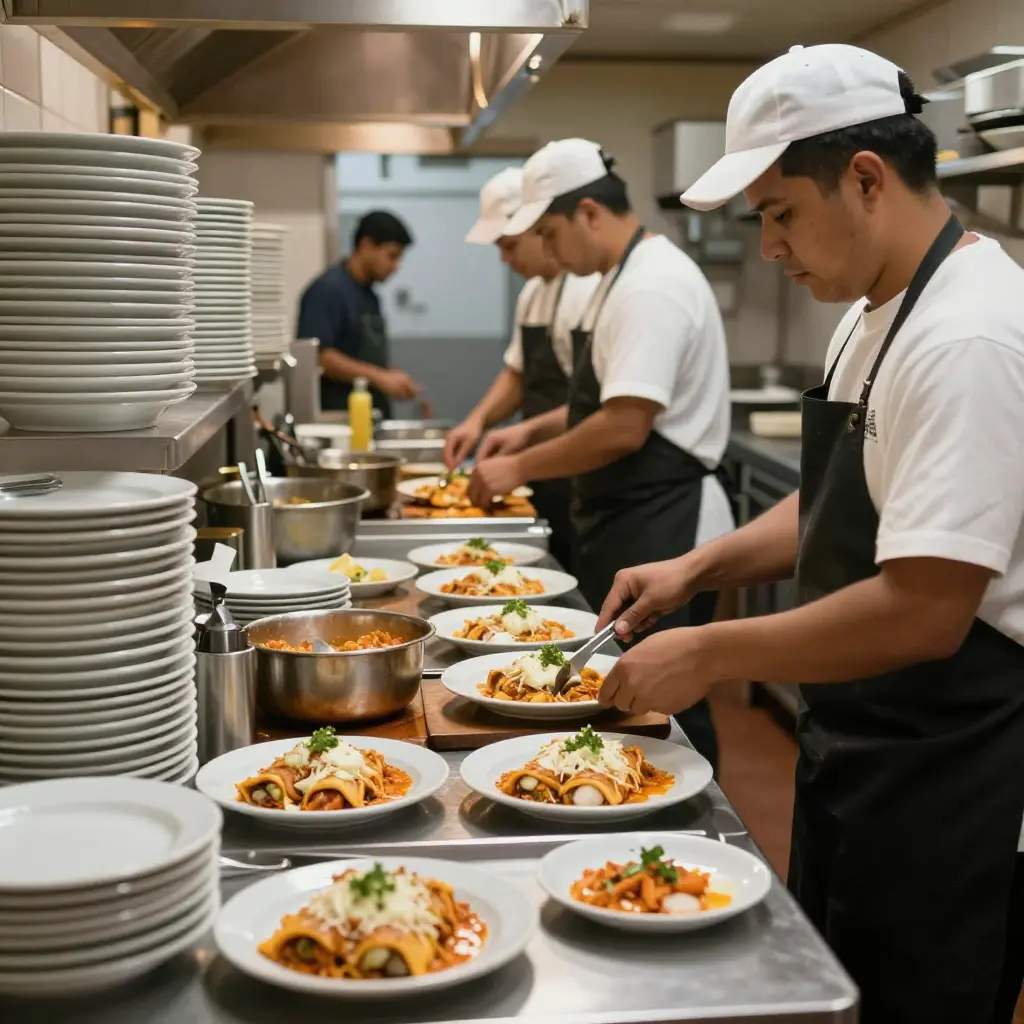
Walk into most restaurants around noon and the lunch rush looks like one busy window that ends at two. Anyone who has worked the line knows better. Enchilada plates, rice and bean portions, and phone orders all draw on the same kitchen, the same line cooks, and the same prep schedule, which makes the rush a system rather than a stretch of time. Systems can be measured, tuned, and improved; a two-hour block can’t.
Three things set the pace. Enchilada plates come together in batches, so prep timing and plate assembly decide how fast the line recovers between waves. Rice and bean portions look like the easiest job on the line until they become the quiet bottleneck that stretches ticket times and empties the pans mid-rush. Phone orders cross a threshold at some point in the service, and once they do, to-go and dine-in tickets have to be sequenced differently.
What follows is how that plays out behind the El Canelo restaurant counter, with the detail an operator actually needs. By the end, the lunch rush should look less like a fixed hour of chaos and more like something you can tune.
Mapping the Lunch Rush Timeline
The collision is the starting point: enchilada plates, rice-and-bean portions, and phone orders all hitting at once. You can’t manage it until you map it. A lunch service moves through four phases, and each one shifts the balance between cover counts, table turns, and kitchen tickets.
-
Early fill (11:30 a.m. – 12:00 p.m.) – Covers climb steadily, tables turn at a comfortable pace, and kitchen tickets arrive in a smooth trickle. Portion consistency is easy to hold here, and staff have time to pre-portion rice and beans before demand spikes.
-
Peak volume (12:00 – 1:00 p.m.) – Cover counts hit their ceiling, table turns accelerate to their fastest rate, and tickets pour in faster than the line can clear them. High-volume orders dominate the rail, and every station feels the squeeze at once.
-
Order backlog (1:00 – 1:30 p.m.) – Tickets stack faster than the kitchen can fire them. Phone orders pile onto the same printer as dine-in checks, table turns stall because guests are waiting on food, and the gap between what is ordered and what is plated widens.
-
Taper (1:30 – 2:00 p.m.) – Covers thin out, tickets finally clear, and the kitchen catches its breath. The damage from the peak load often surfaces here as inconsistent portions or missed calls.
Two things break first as volume rises: portion consistency and order intake. Cooks cut corners on the scoop when they fall behind, and the phone goes unanswered when nobody can spare a hand. Reading that pattern is what separates a chaotic rush from a controlled one, and it is the same rhythm you will recognize in any well-run Veracruz restaurant kitchen. It is the pressure point El Canelo faces every midday, which is why the next section digs into how portions and phone orders are actually held together when the tickets start stacking.
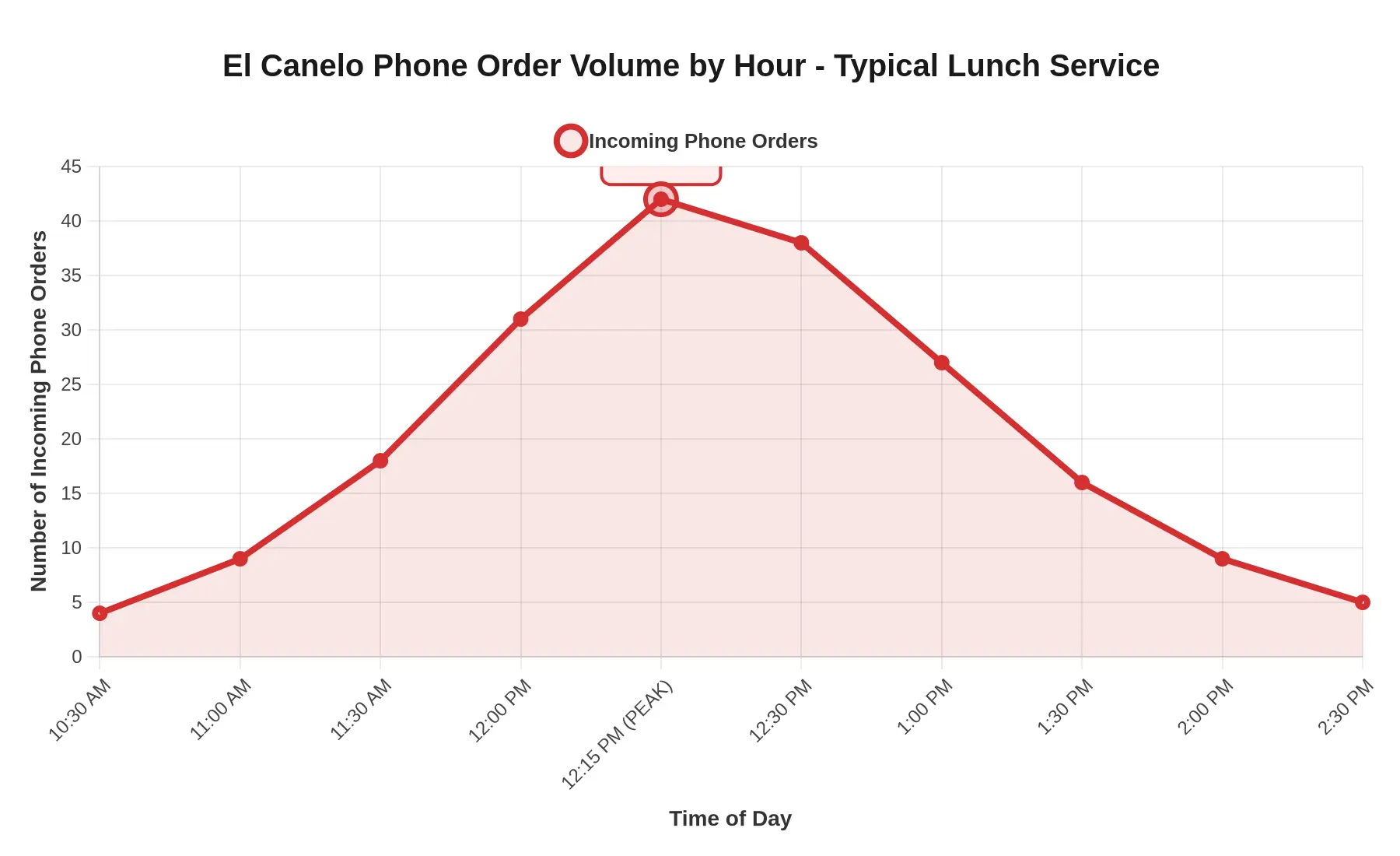
Caption: Phone orders at El Canelo build gradually through the late morning, then spike hard in the 12:00-12:30 PM window before easing off after 1:00 PM. The practical move: put one dedicated phone-order staffer on the line (or pull a server over) starting around 11:30 AM, and pre-batch enchilada plates, rice, and beans just before the peak so the kitchen never falls behind. Orders placed after 12:15 PM should expect longer waits. Operators who want to smooth the spike can nudge callers toward earlier pickups with a simple “beat the rush” prompt.
Enchilada Plates: Standardizing Output Under Pressure
The constraint during the El Canelo lunch rush isn’t how fast one cook can roll an enchilada. It’s how consistently a batch of enchilada plates comes together, plate after plate, for two straight hours. Once tickets stack up, consistency and plating speed stop being separate goals and become the same number: throughput. A plate that looks and tastes the same whether it goes out at 11:45 or 1:15 keeps the line moving, because nobody has to stop, re-measure, or fix a mistake mid-rush.
Batch prep is the foundation
The speed you see at the window is banked earlier. Sauces get made in large batches and held at temperature, tortillas are pre-portioned, and fillings are cooked and staged in reach-in pans so assemblers only reach, not cook. That shifts decision-making away from the peak, when every second competes for the same burner.
Sauce and cheese ratios drive both speed and portion control
A consistent ladle size for sauce and a standard cheese pinch do two jobs at once. They enforce portion control, which protects food cost, and they eliminate the hesitation that slows hand movement. When assemblers know “one scoop, one handful, one garnish,” plates leave the pass faster and margins stay predictable, a discipline that echoes how regionally rooted kitchens such as this Michoacán-style spot think about consistency.
Holding and garnishing are levers, not afterthoughts
Pre-sauced and held trays let the line absorb volume without quality drift, while a fixed garnish station keeps the final step identical on every plate. Operations built around that same economy of motion, like this Oaxacan-inspired kitchen, treat holding temperature and garnish placement as controlled variables rather than finishing touches.
What changes at peak volume
At 12:30, nothing about the recipe should change – only the rate. Standardized enchilada plates turn the lunch rush from a scramble into a repeatable cadence, so plating speed scales with demand instead of quality sliding to meet it.
Consistent portions are what keep a packed lunch rush at El Canelo restaurant moving smoothly without sacrificing plate quality.
| Component | Standard Portion | Prep Lead Time | Peak-Hour Note |
|---|---|---|---|
| Tortillas | 3 corn tortillas per enchilada plate | Light fry + roll 20-30 min before rush | Pre-fry and stack in warmers; never hold past 30 min or they turn soggy |
| Protein (chicken, beef, or cheese) | 3 oz shredded or 4 oz ground per plate | Batch-cook 60-90 min ahead | Hold at 145 F in covered pans; refill every 15 min during the noon spike |
| Sauce (red or green) | 4 oz ladled per plate | Simmer 45 min in the morning batch | Keep two ladles ready; reheat small pans instead of one giant pot to speed plating |
| Cheese (queso fresco or jack) | 1 oz shredded topping | Pre-shred 30 min before service | Pre-portion into cups so line cooks grab-and-go during peak tickets |
| Garnish (onion, cilantro, crema, radish) | 0.5 oz total per plate | Chop and chill 60 min ahead | Set prepped garnish in squeeze bottles and bowls at the pass for fast finishing |
| Plate weight (total assembled) | 18-20 oz finished plate | Weigh-check at start of rush | Spot-check every 10th plate to confirm portions hold as phone orders stack up |
Hit these targets and the first pickup ticket looks like the last dine-in order of the lunch rush.
Rice and Bean Portions: The Hidden Cost of Guesswork
Where the margin actually leaks
Ask most operators what drives plate cost on an enchilada combo and they’ll point straight at protein. Yet the quiet margin leak during the lunch rush is the rice and bean portions that nobody measures. When a hot line “eyeballs” a scoop, small fractions compound: a heavier ladle here, an extra spoonful there. Multiply that across a hundred covers and your food cost drifts upward while ticket times quietly stretch. Consistent rice and bean portions aren’t a nice-to-have detail. They are the line between a plate that hits target and one that eats your profit.
Why Guesswork Costs You More Than You Think
- Food cost creep. An extra ounce of rice and beans feels invisible at the serving station but shows up loudly on your weekly spend. If rice and beans run roughly $0.10-$0.12 per additional ounce, a two-ounce over-scoop across 120 lunch plates adds about $24-$29 a day, or roughly $600-$750 a month, straight off your margin.
- Plate perception. Diners judge value by the whole plate, not just the protein. An overloaded side looks sloppy and inconsistent, while a skimpy one reads as stingy. A quick-serve combo like a Mexi-Cali style plate lives or dies on looking identical every single time, and a house favorite such as a Tecalitlan-inspired special should land the same on Tuesday at noon as it does on a slow Sunday.
- Ticket time. During the rush, cooks who pause to judge portions slow the entire line. Pre-portioned batches remove that hesitation, so plates move at a steady cadence even when phone orders start stacking up.
The Concrete Fix
- Use portion scoops sized to the plate spec, for example a #8 disher for rice and a #10 for beans, so every serving is identical.
- Standardize with vessels: dedicated bowls, molds, or rings that set the visual and weight standard at a glance.
- Build pre-portioned batches: scoop rice and beans into holding pans before the rush so the line only assembles, never measures.
| Checkpoint | Weak Practice | Strong Practice |
|---|---|---|
| Rice serving | Free pour or eyeball | Numbered scoop per spec |
| Bean serving | Ladle to feel | Standard vessel or mold |
| Prep timing | Measuring mid-rush | Pre-portioned holding pans |
Lock these three habits in and disciplined portion control stops being a guess. You protect food cost, protect plate perception, and protect the speed that keeps your lunch crowd coming back.
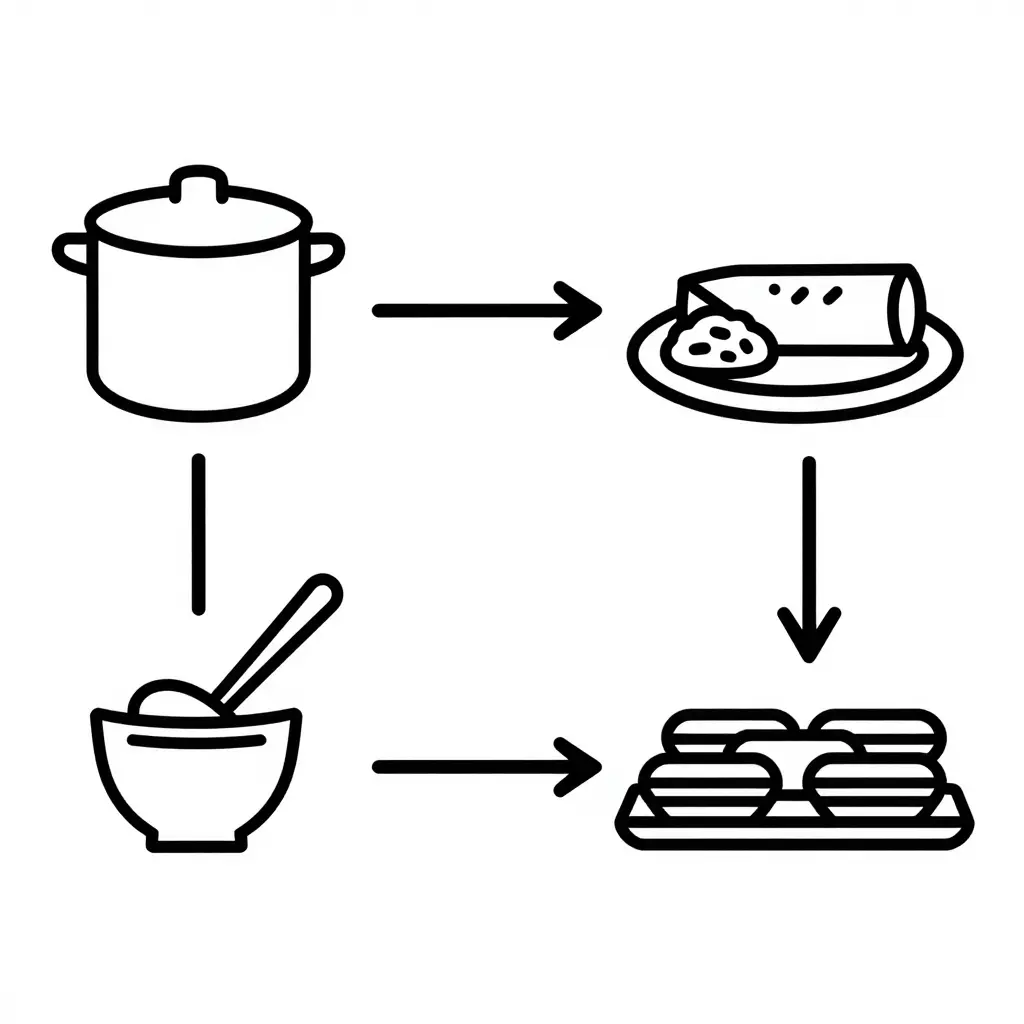
The workflow moves left to right in four stages: a bulk batch held in a stock pot, a measured scoop transferred into a pre-portioned vessel, that portion placed onto the plate alongside the enchilada, and the finished plates collected on a serving tray ready for the pass.
When Phone Orders Start Stacking Up
During the El Canelo lunch rush, the kitchen usually hits its ceiling long before anyone says it out loud. The real warning signs show up on the phone line and the ticket rail first, and operators who learn to read them can protect ticket times, portion accuracy, and food quality all at once.
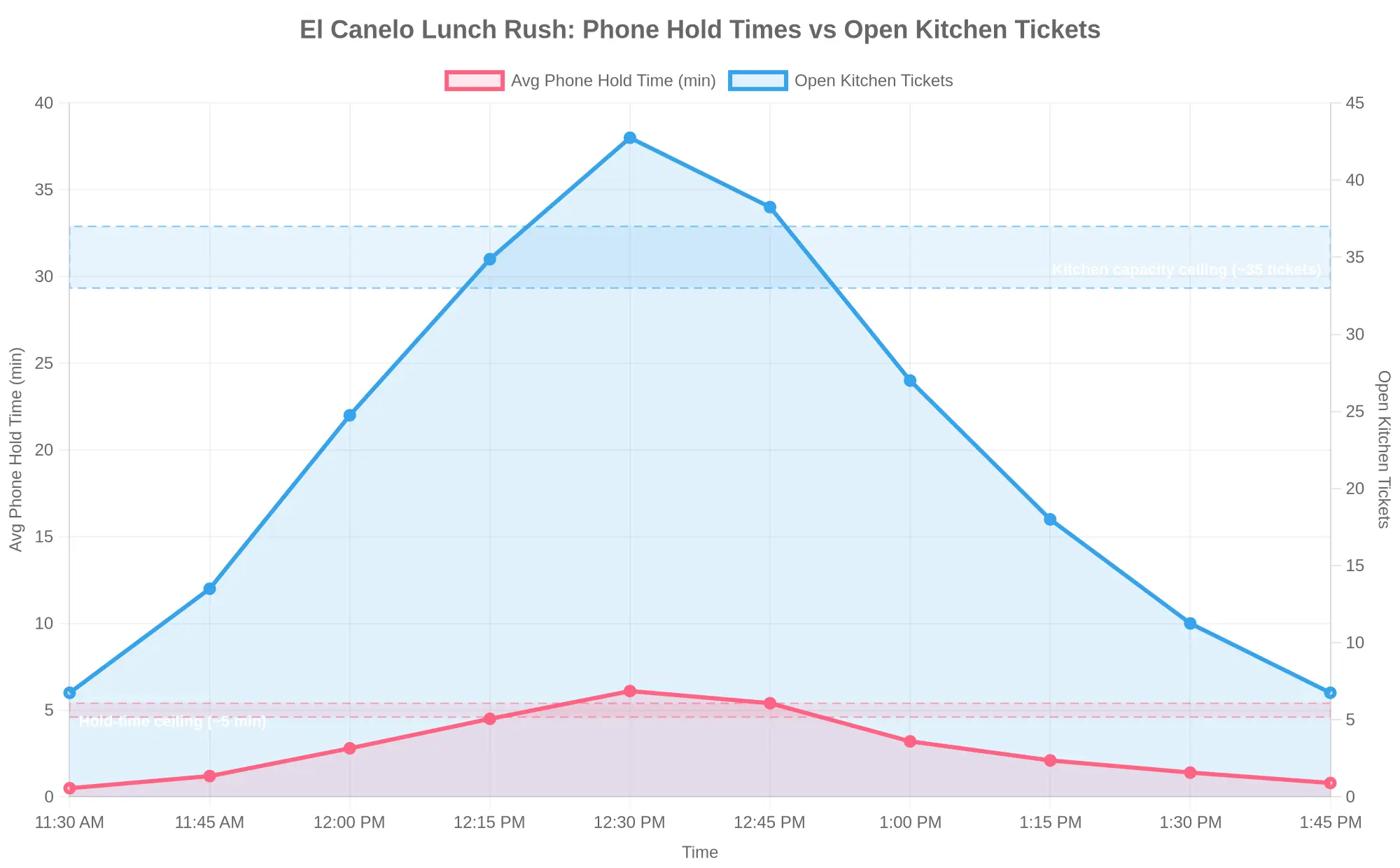
The evidence shows up in three familiar signals:
- Hold times creep from a few seconds to a full minute, then stall there while callers wait.
- Open tickets on the rail keep climbing while completed orders stay flat.
- Guests call back to re-confirm orders that were already placed, a clear sign of dropped handoffs.
When those signals appear together, phone orders have officially outpaced the kitchen. Hold times are the earliest indicator because they measure the gap between demand and your ability to capture it. A ticket backlog is the second, and it directly threatens the enchilada plates and rice-and-bean portions that define the rush. Repeated call-backs are the loudest signal of all: they mean the phone station has lost control of the flow.
Intake tactics that keep the flow steady
- Call scripting: give every caller the same tight script so order-takers capture items, portions, and pickup window in a single pass, with no second call needed.
- Order batching: group incoming calls into timed waves and release them to the kitchen together, keeping grills and steam tables loaded evenly instead of in bursts.
- A dedicated phone station: one person, one headset, one job, which stops front-counter duties and phone duties from colliding mid-rush.
- A cut-off point for new lunch orders: once the backlog crosses a set threshold, stop taking new calls for the lunch window or push them to a later pickup slot.
For neighborhoods that lean on both English and Spanish service, a bilingual Spanglish restaurant approach helps scripts stay natural and fast. Taqueria-style counters face the same pressure, and the taqueria ordering playbook shows how a lean station manages high volume without a second line.
The El Canelo lunch rush rewards operators who treat the phone as part of the kitchen, not a separate front. Watch hold times, ticket backlogs, and call-backs, then apply scripting, batching, a dedicated station, and a firm lunch cut-off to keep phone orders flowing instead of stacking up.
A Step-by-Step Phone Order Triage Checklist
When the lunch rush hits and enchilada plates, rice, and beans start piling up on the line, the phone can quickly become the bottleneck. Use this ordered checklist to keep incoming calls moving without dropping tickets or quoting fantasy pickup times.
- Set the answering cadence first. Assign one person to phones during peak windows and answer within three rings so callers do not hang up and dial the next taqueria.
- Capture the order before you chat. Greet, then immediately lock in the customer’s name, phone number, and each item with quantities, sides, and spice level.
- Confirm every item back out loud. Repeat the full order and read back modifications so nothing gets remade during a rush, when a remake costs you two tickets.
- Quote a realistic pickup time, not a hopeful one. Add a small buffer to your true kitchen estimate and say it plainly so guests arrive when food is actually ready.
- Batch similar orders together. Group identical combos, rice-and-bean portions, and the same protein so the kitchen fires them in one pass instead of one-at-a-time.
- Flag slow-line items immediately. Call out dishes that clog the grill or take extra assembly to the expo or manager so they are started earlier, not later.
- Mark ready orders and stage them hot. Bag, label, and position finished orders in a pickup zone so the counter can hand off fast and stay clear.
- Log the rush pattern before the shift ends. Note which items caused delays so you can prep ahead next time and smooth the same crunch.
For a closer look at how a busy neighborhood spot runs its lunch service, explore this guide to San Francisco Mexican food operations and borrow the habits that fit your own line.
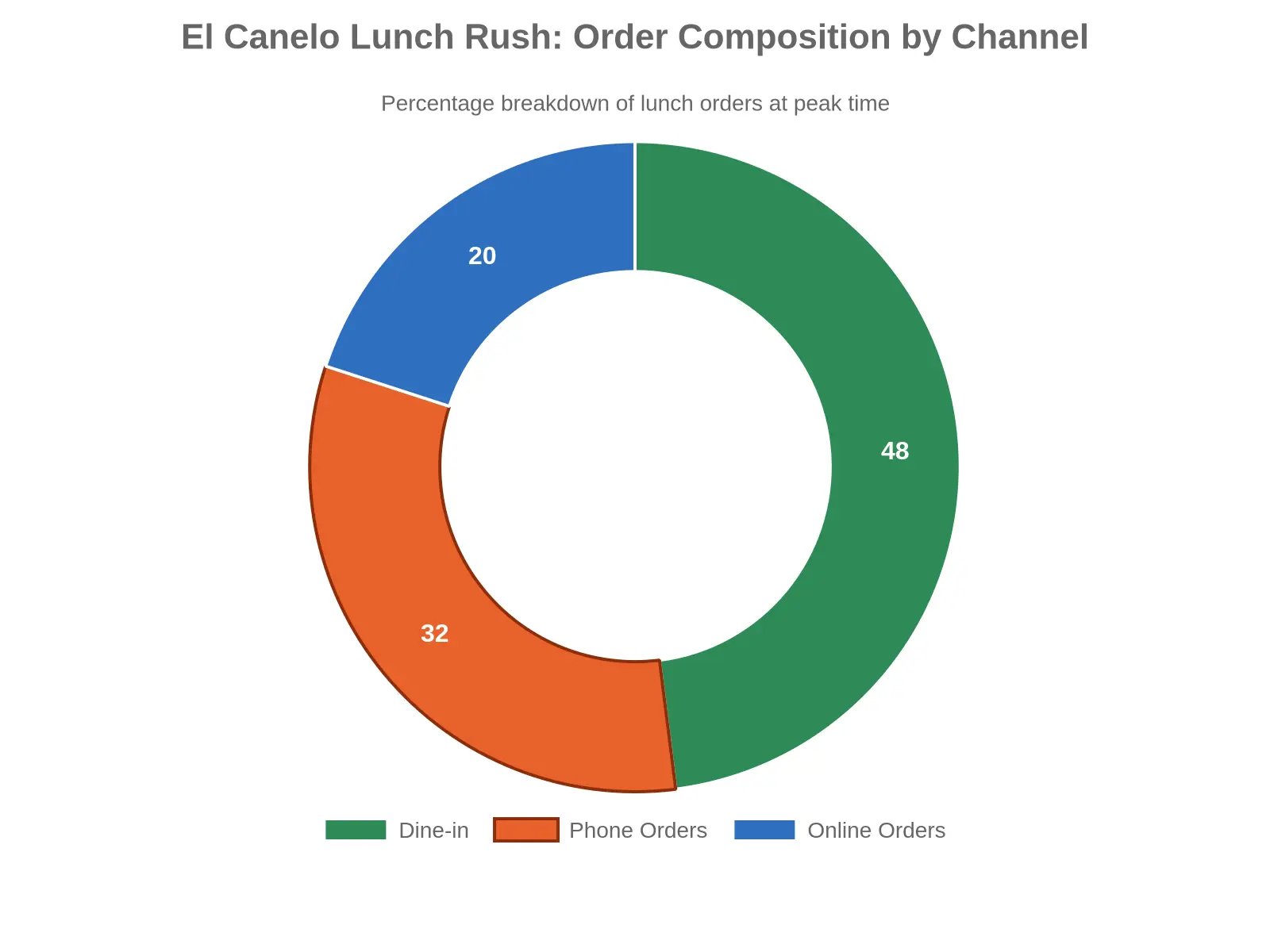
Figure: El Canelo lunch rush order composition by channel. Phone orders drive roughly one in three lunch transactions at peak – more than every online order combined, making the phone line El Canelo’s second-busiest channel behind dine-in. For operators, that 32% slice is the tell: the moment the phone starts ringing, the kitchen is already splitting its attention between tables and the ticket rail.
Aligning Kitchen Roles and Staffing to the Lunch Curve
The lunch curve has a shape, and your kitchen workflow should match it. Between roughly 11:30 a.m. and 1:30 p.m., tickets, walk-ins, and phone orders don’t arrive evenly – they pile up. Kitchens that stay calm under that pressure aren’t cooking faster; they’ve simply stopped working in sequence. When enchilada plates, rice, beans, and phone orders each have a dedicated owner, they move in parallel instead of forming a single-file line.
Great lunch rush operations start with clear station ownership. Instead of one cook improvising every order, assign each high-volume item to a single pair of hands so nobody waits on anybody else. A simple grid keeps it visible:
| Station | Owner | Lunch responsibility |
|---|---|---|
| Enchilada / griddle | Line cook A | Batch enchilada plates, keep sauces and cheese warm |
| Rice & beans | Line cook B | Continuous portioning to hold level, not play catch-up |
| Expo | Expo lead | Read tickets, plate, call times, bag to-go orders |
| Phones / front | Cashier | Take and stage phone orders in the order they land |
Prep timing matters just as much. Par-cook rice and refry beans before the doors open, then stagger restocking so a fresh pan hits the line exactly when the first wave crests. The expo role is the hinge: one person sequences plates so an enchilada order and a phone pickup leave the window together rather than ten minutes apart – the disciplined pass you’d expect in any well-run Oaxacan kitchen.
That coordination is why a ten-minute shift briefing before the rush pays for itself. Confirm station ownership, flag anything running low, and forecast phone volume from yesterday’s numbers. This is the same kind of planning regional Mexican kitchens lean on to keep portions consistent when volume spikes.
You can’t flatten the lunch curve, but you can match it. Staggered prep, owned stations, a sharp expo, and a quick briefing turn lunch rush operations from a scramble into a rhythm – and that rhythm, more than any single recipe, is what keeps enchilada plates, rice, beans, and phone orders flowing in parallel.
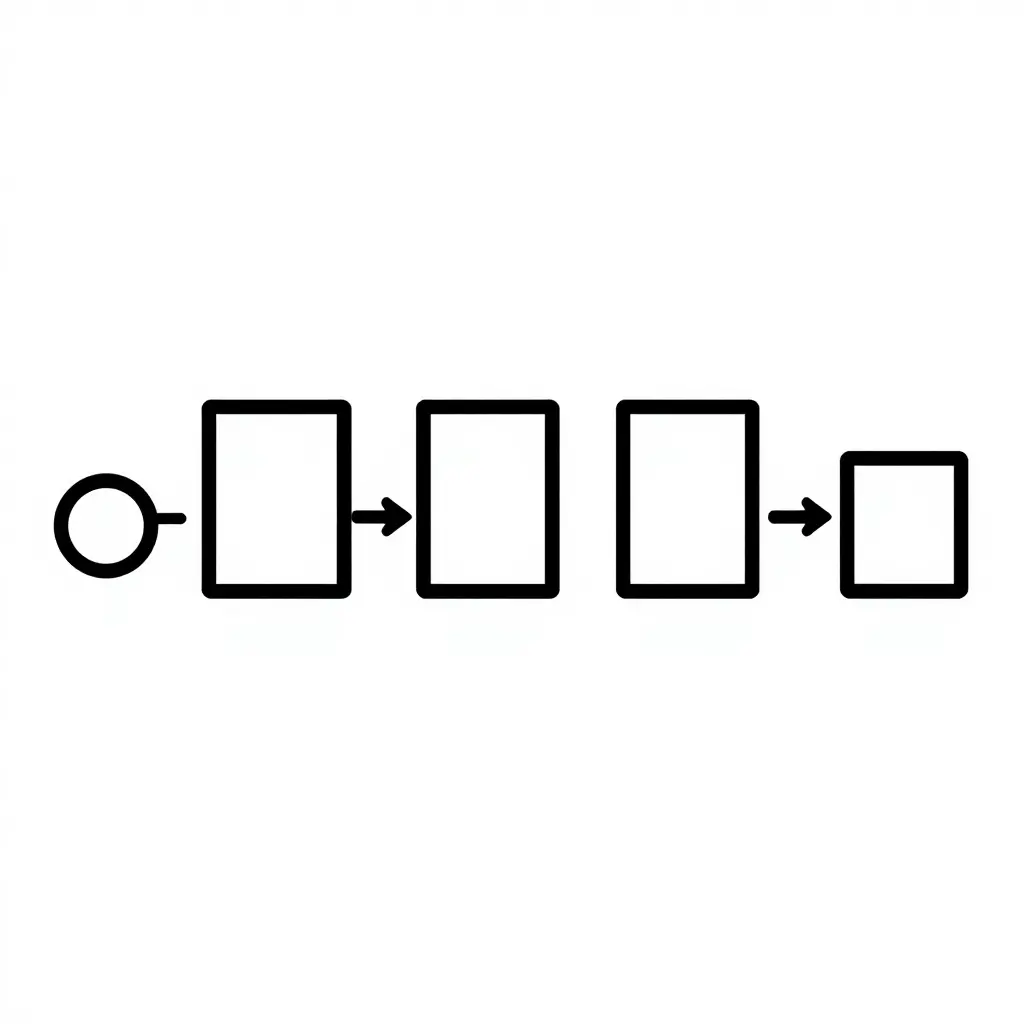
Ticket flow during peak lunch rush: phone orders drop into the line, each station fires its item to the expo, and the expo assembles, checks, and pushes completed plates to the pickup counter.
Frequently Asked Questions About the El Canelo Lunch Rush
Running a high-volume Mexican kitchen means answering the same operational questions week after week. Here are the ones that come up most often when managers talk about the El Canelo lunch rush, along with practical answers you can put to work on your own line.
When do phone orders start stacking up?
At most locations, the first wave hits around 11:15 a.m., and by 11:45 a.m. the queue is fully loaded. The trick is to start staffing your order-taker earlier than feels necessary, since a phone order placed at 11:20 a.m. usually wants food by noon. Watch your call logs for two weeks and you will see a very predictable spike window you can plan around.
How many enchilada plates can a line realistically plate per hour?
A well-trained two-person line should hit between 90 and 120 enchilada plates per hour, assuming the sauce, cheese, and tortillas are prepped ahead. Anything above that pace usually means quality slips, so it is wiser to add a third plating station than to chase raw speed. For context on how other Mexican kitchens structure their stations, see this guide to Mexican restaurants in Lincoln Park, Chicago.
How should rice and bean portions be standardized?
Lock them down with scoops, not eyeballing. Use a #8 scoop (roughly 4 oz) for rice and a #10 scoop (roughly 3 oz) for beans, then post that standard where the plating station can see it. Standardized rice and bean portions protect both your margins and your guests’ expectations, since a plate that looks the same every single time quietly builds trust.
How do you keep food cost stable during peak volume?
Pre-portion your proteins and starches before the doors open, batch-cook rice and beans in scheduled cycles, and track plate counts against inventory every shift. When you know exactly how many enchilada plates went out, a small variance is easy to catch before it becomes a costly pattern. This same discipline keeps costs flat whether you serve fifty covers or five hundred.
How do you balance dine-in and phone orders?
Assign one person to own phone orders exclusively, and stagger pickup windows so the kitchen never triples up during the same ten minutes. Give dine-in guests a clear path to the counter while pickups wait in a separate lane, and cap the phone queue whenever the pass is full. Done well, this rhythm mirrors the flow you would see at a busy Mexi-Cali restaurant, where speed and hospitality have to coexist.