
Introduction
In urban environments, the role of restaurants extends beyond merely serving delicious meals; they significantly influence local development and community dynamics. As vibrant social hubs, restaurants contribute to the attractiveness of neighborhoods, steering both consumer behavior and urban policy. Understanding the critical factors involved in restaurant selection-particularly location, market trends, and consumer preferences-is essential for aspiring restaurant owners seeking to make informed decisions that foster success.
The location of a restaurant can dramatically affect its visibility and accessibility, which are crucial in attracting foot traffic and generating sales. Data indicates that a well-chosen site not only elevates a restaurant’s appeal but also enhances its operational efficiency. In addition, recognizing market trends allows business owners to anticipate consumer preferences, enabling them to tailor offerings that meet evolving social tastes and dietary needs. Furthermore, there is a notable correlation between the culinary landscape and urban revitalization, where successful dining establishments lead to enhanced local economies and improved living standards for residents.
In this article, we will delve into how the selection of restaurant locations can catalyze urban growth, survey the latest market trends impacting consumer choices, and provide insights on aligning offerings with demographic demands. Whether looking to launch a new venture in a bustling city or considering a strategic expansion, understanding these elements can lead to thriving business outcomes. For further insights into specific restaurant models and contexts, be sure to check out our resources on El Canelo Restaurant and Mexitaly Restaurant.
Economic Impact of the Restaurant Industry
The restaurant sector plays a crucial role in the economic landscape of cities around the world. In 2023, the employment level in the restaurant and hospitality industry reached an impressive 13.9 million jobs, accounting for approximately 8.35% of all U.S. jobs. Furthermore, the restaurant industry’s overall sales estimates are close to $978 billion. This economic vitality not only creates jobs but also contributes significantly to local and state tax revenues, with over $100 billion estimated in combined federal, state, and local taxes annually. For further insights, check the 2023 State of the Restaurant Industry report.
Key Highlights
- Total U.S. Restaurant Industry Sales: $978 billion
- Total Employment in U.S. Restaurants: 13.9 million jobs
- Average Pay for Restaurant Workers: $32,780
- Annual Tax Contributions: Over $100 billion
- Top Cities for Restaurant Jobs: New York City, Los Angeles, Chicago, Miami, San Francisco
Consumer Behavior in the Restaurant Sector
As we witness shifts in consumer preferences, it is essential for restaurant owners to adapt to the evolving landscape. In 2023, 68% of consumers reported relying on takeout and delivery more frequently than prior years, showing a strong commitment to convenience. Moreover, while dine-in experiences remain appealing for special occasions, many consumers, particularly in the younger demographics, prefer delivery options for everyday meals.
Current Consumer Trends
- Rising Preference for Takeout: 68% opt for convenience.
- Preference Shift to Delivery: Many consumers prefer delivery due to time and value.
- Increased Price Sensitivity: A noticeable rise in food spending pressure has led to shifts in customer spending habits, particularly among older generations.
- Generational Differences: Gen Z and Millennials show strong preferences for delivery, whereas older generations are cutting back.
For deeper insight on trends, visit the National Restaurant Association for data-driven updates.
Future Trends in the Restaurant Industry
Looking ahead, the restaurant industry is on the brink of transformative changes. Technological advancements and shifting consumer behaviors are driving the need for innovation in services and offerings. Experts project significant changes in business models to meet the demands of modern diners over the next decade.
Forthcoming Trends
- Technological Integration: Increased reliance on technology for orders and payments.
- Focus on Sustainability: Rising awareness around sustainability practices in the restaurant sector.
- Personalization of Dining Experiences: A push towards tailored dining options to match specific consumer preferences.
For more details on these emerging trends, consult the insightful reports from Deloitte.
Economic Impact of Restaurants on Local Economies
Restaurants play a crucial role in boosting local economies by creating jobs, generating tax revenue, and driving tourism. In the United States, the restaurant industry is projected to reach a staggering $997 billion in sales in 2023, according to the National Restaurant Association, highlighting its significance as an economic powerhouse.
Job Creation
The restaurant sector is one of the most significant job creators in the U.S., accounting for over 11 million jobs directly. This includes everything from chefs and waitstaff to managers and suppliers. Moreover, for every restaurant job created, there are approximately 1.55 jobs generated in related fields such as agriculture, transportation, and retail. This ripple effect shows that the restaurant industry does not only employ individuals directly but also supports extensive employment across various sectors.
Tourism and Gastronomy
Beyond job creation, restaurants are vital to local tourism. In 2023, it was reported that 70% of international tourists are drawn to destinations primarily for their culinary offerings. This trend in culinary tourism showcases how local eateries can make or break a tourist destination. For instance, cities that invest in vibrant dining scenes often see an influx of visitors who contribute to the local economy through lodging, transportation, and shopping. Notably, New York State’s tourism sector supports a million jobs, emphasizing the integral connection between restaurants and tourism.
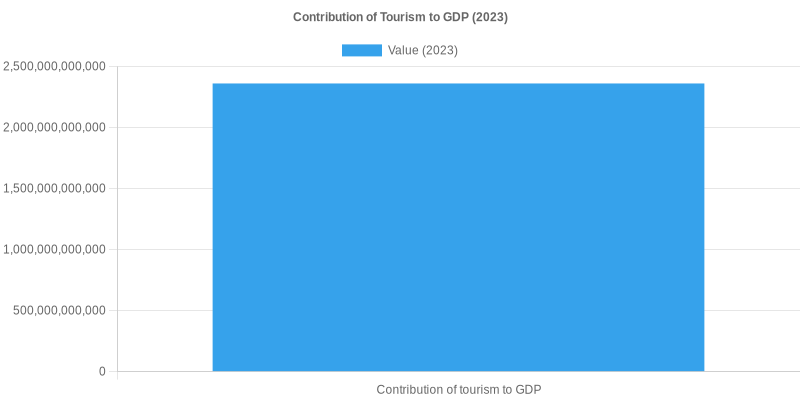
Tourism supports 7.4% of all jobs in New York State, significantly driven by the culinary experiences offered by its diverse restaurant scene, as highlighted in the New York State Economic Development report. This statistic illustrates the substantial economic impact restaurants have in attracting visitors and enhancing local economic growth.
Conclusion
In conclusion, the economic impact of restaurants extends well beyond their premises. They are integral to job creation and tourism, making a significant contribution to the financial health of local communities. As the food industry continues to evolve, so will its role in supporting economic development and fostering local culture.
Whether you own a restaurant or are considering starting one, understanding this impact can assist in making informed decisions that benefit not just your business, but also the local community.
Top Cities for Restaurant Growth in 2023
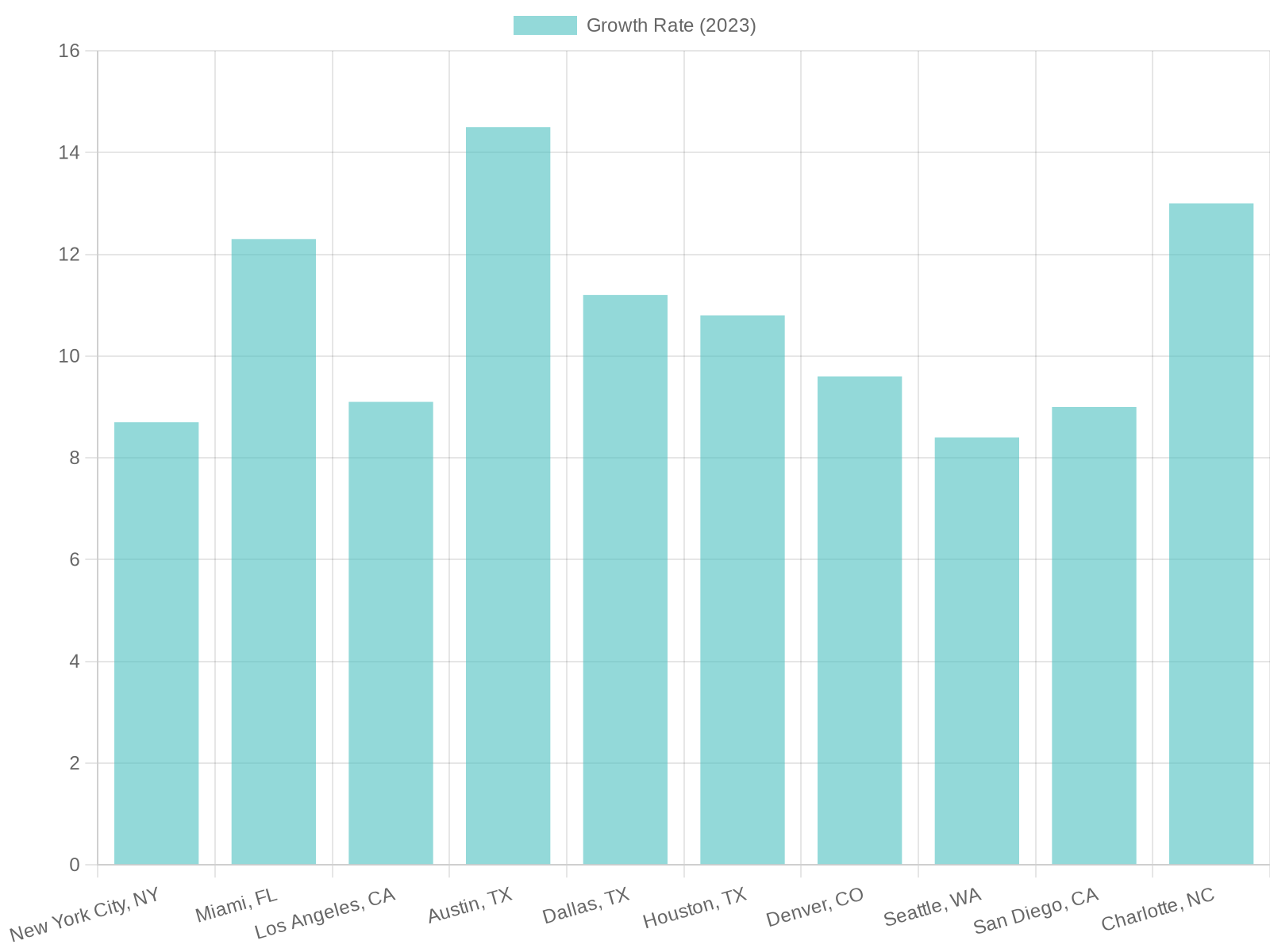
Here are the top 10 cities experiencing the fastest growth rates in the restaurant industry:
- Miami, FL (12.3%): Rapid population growth and international tourism are driving Miami’s restaurant scene, alongside an influx of culinary talent.
- Austin, TX (14.5%): Known for its tech-driven economy and vibrant food truck culture, Austin is attracting a significant dining crowd.
- Charlotte, NC (13.0%): This fast-growing metro area is seeing corporate relocations and increased consumer spending fuel restaurant growth.
- Dallas, TX (11.2%): Economic expansion and rising consumer spending on dining out are key to Dallas’s booming restaurant market.
- Houston, TX (10.8%): A diverse economy and expanding restaurant districts make Houston a top city for dining establishments.
- Los Angeles, CA (9.1%): With a strong entertainment industry and diverse culinary scene, LA continues to thrive in restaurant openings.
- New York City, NY (8.7%): High demand for various cuisines and a strong urban dining culture keep NYC at the forefront of restaurant growth.
- San Diego, CA (9.0%): Coastal tourism and a popular farm-to-table movement help bolster restaurant growth in San Diego.
- Denver, CO (9.6%): A growing population and a focus on outdoor dining experiences are driving Denver’s restaurant demand.
- Seattle, WA (8.4%): Prosperity in the tech sector and a focus on sustainability are supporting Seattle’s restaurant landscape.
For more insights on the restaurant industry, explore the National Restaurant Association’s report.
Insights into Urban Consumer Dining Preferences for 2023
In recent years, consumer dining preferences in urban areas have undergone significant transformations, driven by convenience, price consciousness, and changing meal choices. A comprehensive analysis of recent surveys reveals crucial trends that business owners in the restaurant industry must consider to stay competitive.
Key Findings
-
Dining Frequency: Urban consumers reported dining out an average of 3.2 times per week. Interestingly, this frequency is higher in Tier 1 cities, indicating locality’s strong impact on dining habits.
-
Takeout and Delivery Trends: Recent surveys indicate that 68% of urban diners used food delivery platforms weekly, with 45% indulging in takeout or delivery multiple times per week. This reliance on convenience reflects a seismic shift in how consumers prefer to enjoy their meals.
-
Price Sensitivity: A staggering 72% of urban diners are highly price-sensitive. With inflation impacting overall spending, many consumers are opting for more budget-friendly dining experiences, particularly in mid-tier restaurant categories.
-
Meal Preference: When it comes to meal types, lunch (48%) and dinner (41%) dominate consumption patterns, while a growing number are opting for snacks (22%). Quick, healthy, and customizable meals have gained traction among health-conscious consumers.
-
Convenience Matters: Convenience is a critical driver of dining decisions; 83% of urban consumers prioritize fast service and easy access when choosing where to eat. This trend underscores the importance for restaurateurs of streamlining processes, from ordering to delivery.
-
Healthy and Customizable Options: Consumers are increasingly seeking meals labeled as “healthy” or “low-calorie”. Approximately 57% of urban diners express a preference for customizable options, particularly among younger demographics like millennials and Gen Z.
-
Digital Discovery: With the rise of technology in everyday life, 76% of urban consumers utilize mobile applications to find new dining options, check reviews, and compare prices. This trend emphasizes the importance of online presence and positive consumer engagement in digital platforms.
Conclusion
The evolving landscape of consumer dining preferences highlights the necessity for restaurant owners to adapt their offerings and marketing strategies. By focusing on convenience, healthy options, and price sensitivity, restaurants can better align with urban consumers’ desires and enhance customer loyalty. For restaurants such as El Canelo, understanding these trends is essential for continued growth and success in a competitive market.
To explore suitable dining options or learn about progressive restaurant innovations, visit El Canelo Restaurant or check out our Veracruz location.
Future Trends in the Restaurant Industry
The restaurant industry is swiftly evolving, given the dynamic shifts in consumer preferences and technological advancements. In 2024 and beyond, we can expect to see several significant trends shaping the future of how food is prepared and delivered.
Rise of Cloud Kitchens
Cloud kitchens, also known as ghost kitchens or virtual kitchens, are redefining the food landscape by providing delivery-only culinary services without dine-in facilities. According to Mordor Intelligence, the cloud kitchen market size is projected to grow from USD 44.78 billion in 2026 to USD 90.51 billion by 2031, showcasing a remarkable compound annual growth rate (CAGR) of 15.11%. This model emphasizes efficiency and scalability, enabling restaurant owners to cater to the surging demand for delivery services without the overhead of a traditional restaurant setup.
Enhancing Food Delivery Services
As more consumers turn to delivery options for their meals, the trends are leaning towards improving food delivery services. Innovations in AI, autonomous logistics, and sustainable practices are increasingly relevant. A recent Hospitality Insights article points out how technology is creating more personalized and efficient food delivery experiences that cater to modern consumer expectations.
Expert Insights and Predictions
Experts predict that the rise of automation will play a critical role in streamlining restaurant operations and improving service speed. As mentioned in the article from Exploding Topics, the automation trend focuses on tasks such as food preparation, ordering, and payment processes. These technologies are not only set to enhance customer experiences but also reduce labor costs, making businesses more profitable.
Additionally, the cloud kitchen model promotes flexibility in menu offerings, allowing businesses to respond rapidly to changing consumer tastes without the risks associated with a full-scale restaurant. As per recent analysis by Allied Market Research, cloud kitchens are anticipated to leverage advanced delivery platforms, enhancing both reach and operational efficiency.
Conclusion: A New Era for Restaurants
In summary, the restaurant industry is on the cusp of a transformation led by cloud kitchens and innovative food delivery systems. The upcoming years promise to bring exciting changes that will require restaurant owners to adapt swiftly. By embracing these trends, restaurants can ensure they meet consumer demands efficiently while minimizing operational challenges.
Below is a visualization of the projected growth of the cloud kitchen market:
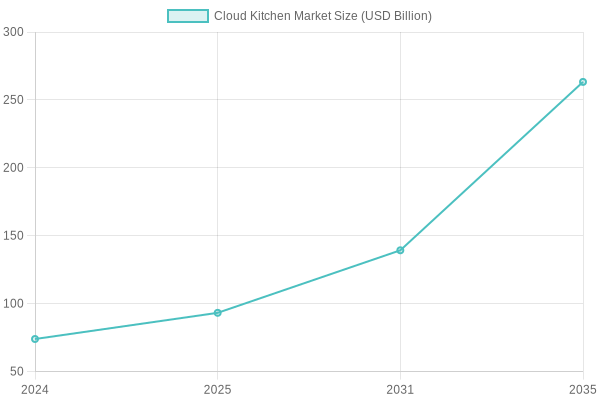
This chart illustrates the anticipated increase in market size, with projections reaching up to USD 278.42 billion by 2035.
Comparison of Restaurant Technologies for Efficiency
In the fast-paced restaurant industry, leveraging technology can significantly enhance efficiency and overall customer satisfaction. Below is a comparative table highlighting various restaurant technologies, their features, pros, and cons.
| Technology | Features | Pros | Cons |
|---|---|---|---|
| POS Systems | – Order processing – Inventory tracking – Sales reporting |
– Streamlined operations – Real-time data – Customizable menus |
– Can be costly – Technical issues can cause disruptions |
| Online Booking Tools | – Reservation management – Customer notifications – Table management |
– Easier reservation process – Improved customer satisfaction |
– Requires internet access – May lead to overbooking if not managed |
| Kitchen Display Systems | – Order tracking – Priority management – Real-time updates |
– Reduces errors – Speeds up food preparation |
– High setup costs – Staff training needed |
| Inventory Management Systems | – Stock tracking – Supplier management – Automatic reordering |
– Reduces waste – Cost savings on inventory |
– Time-intensive setup – Potential integration issues with POS |
Pros and Cons Insights
- POS Systems are essential but can be a financial burden, especially for smaller businesses. They enhance efficiency and data collection but require careful management.
- Online Booking Tools streamline customer interaction. However, they rely heavily on internet reliability and management to avoid overbooking scenarios.
- Kitchen Display Systems bridge the gap between front-of-house and back-of-house, improving accuracy and speed. However, the initial investment and training can hinder implementation.
- Inventory Management Systems are vital for maintaining required stock levels but can be complicated to set up and manage effectively.
Conclusion
Investing in the right technologies can lead to enhanced efficiency and customer satisfaction. It is essential for restaurant owners to assess their operational needs to select the systems that fit best.

“Choosing the right location for a restaurant is one of the most critical decisions a business owner can make. A prime location not only increases visibility and accessibility but also ensures a steady flow of potential customers, which is fundamental for both initial success and long-term sustainability.”
- Industry Insights
Conclusion and Call to Action
In summary, understanding and leveraging the unique attributes of your city is crucial for restaurant owners looking to succeed in today’s competitive landscape. The flavor of local culture, the preferences of your community, and the diversity of your culinary offerings all play a vital role in shaping your restaurant’s identity. By focusing on what makes your restaurant align with the spirit of your city, you can create a memorable dining experience that resonates with patrons.
As you move forward in planning your restaurant endeavors, consider the insights shared in this article and the potential for integrating your unique city attributes into your business strategy. If you are passionate about Mexican cuisine, take inspiration from diverse establishments like El Canelo Restaurant or explore the varied flavors at Veracruz Restaurant.
We encourage you to visit these establishments, gather insights, and understand the pulse of your community. Whether you’re starting a new venture or optimizing an existing one, let the local character of your city guide your decisions. Embrace your city’s essence, and watch your restaurant flourish!