
In a surprising turn of events, bd’s Mongolian Grill’s Pittsburgh location has officially closed its doors, marking the end of a chapter for this once-beloved dining establishment. This closure not only serves as a significant loss for the local food scene but also raises important questions for business owners aiming to navigate the turbulent waters of the restaurant industry. With rising costs, shifting consumer preferences, and increasing competition, the implications of this closure extend beyond the immediate financial impact, prompting a need for introspection among other eateries. Business owners must closely examine the factors that contributed to bd’s decline, drawing lessons that can inform their own strategies for sustainability and growth in a swiftly evolving market. To explore related concerns about the local dining landscape, consider checking out The Best Restaurants in Pittsburgh to gain insights into thriving establishments amidst the challenges.
bd’s Mongolian Grill, a unique dining experience known for its interactive Asian-fusion cuisine, became a notable establishment in Pittsburgh’s SouthSide Works. Founded in 1992 in Royal Oak, Michigan, the chain pioneered the concept of customizable stir-fry, allowing guests to select ingredients and cook their meals at communal grill stations. This innovative approach captivated diners across the United States, leading to the rapid expansion of its brand.
The Pittsburgh location opened its doors as part of this wave of growth, providing a creative dining option that set it apart in the local food scene. With a focus on fresh ingredients and a fun atmosphere, bd’s quickly gained a loyal following among residents and visitors alike. The interactive dining experience appealed especially to families and groups, making it a popular choice for casual dining occasions.
Despite its success, bd’s Mongolian Grill faced challenges over the years that affected its sustainability. In July 2020, the Pittsburgh location confirmed its permanent closure after the franchise owner filed for Chapter 7 bankruptcy liquidation. This marked a significant loss for the community, as the restaurant was one of the few Mongolian grill options in the area. Many patrons expressed their disappointment, reminiscing about the enjoyment of customizing meals and the vibrant atmosphere that the restaurant provided.
While bd’s national brand continued to evolve, including a name change from “Mongolian Barbeque” to “bd’s Mongolian Grill” and the introduction of new menu items, the Pittsburgh location’s closure serves as a reminder of the fluctuations in the restaurant industry. The interactive dining concept pioneered by bd’s has left a lasting influence on similar establishments across the region. Though Pittsburgh lost a beloved restaurant, the legacy of bd’s Mongolian Grill contributed to shaping the local dining landscape, inspiring newer dining concepts that emphasize customer engagement and customization.
For business owners in the restaurant industry, the history of bd’s Mongolian Grill in Pittsburgh highlights the importance of adaptability and community engagement. Understanding the factors that lead to success or decline can provide valuable insights for maintaining a thriving dining establishment in competitive markets. To explore more about innovative dining experiences in Pittsburgh, consider visiting El Canelo Restaurant, known for its flavorful offerings and inviting atmosphere.
Before the recent closures, bd’s Mongolian Grill held a special place in the hearts of many patrons across its locations. Known for its customizable dining experience, where customers select their ingredients and watch them cooked on a grill, the restaurant cultivated a loyal following. However, various reviews and sentiments illustrate a complex tapestry of customer experiences that provides insight into its community impact.
Positive Aspects of Dining Experience
Many customers expressed appreciation for the unique dining experience that bd’s Mongolian Grill offered. In locations like Beavercreek, Ohio, the restaurant received a 4.1 out of 5 rating from 106 reviews. Diners praised the fresh ingredients, diverse toppings, and interactive cooking style, making it a popular choice for family outings and celebrations. Reviews frequently highlighted:
- Customization and Variety: Customers valued the ability to choose from a wide range of ingredients, enhancing their personal dining experience.
- Fun Atmosphere: The lively environment, particularly the interactive cooking process, fostered a family-friendly atmosphere conducive to gatherings and celebrations.
Some memorable moments shared online included birthdays and family dinners, establishing the restaurant as a community focal point.
Mixed Reviews
Not all reviews were glowing. Sentiment fluctuated depending on the location and specific experiences. For instance, a bd’s Mongolian Grill in Independence, Missouri, garnered a 3.8 out of 5 rating, with some customers citing slow service and inconsistent food temperature as areas for improvement. Other locations received criticism for:
- Inconsistent Service: While many praised the staff’s friendliness, others complained of long wait times, particularly during busy hours.
- Closure Frustrations: As closures were announced, patrons expressed disappointment on platforms like Google Maps and Yelp, feeling that there was a lack of communication regarding sudden restaurant shutdowns.
Community Reaction to Closure
The closures of several bd’s Mongolian Grill locations, including those in Michigan and Ohio, sparked significant community outcry. Many customers lamented the loss of what they considered a “community anchor.” For example, an article from The Beavercreek News Journal highlighted that online petitions amassed over 1,200 signatures, advocating for the restaurant’s continuation. Locals expressed:
- Emotional Attachment: Numerous testimonials shared on social media described bd’s as a landmark where families created lifelong memories.
- Job Loss Concerns: In Dearborn, Michigan, the closure raised alarm among employees about job security, with community organizations stepping in to provide support through food drives and job workshops.
Impact on Local Economy and Dining Culture
The closure of bd’s Mongolian Grill not only affected individual customers but also had broader implications for local economies and the dining landscape. Data from the Michigan Chronicle discussed how nearby businesses noted a decline in foot traffic, illustrating the economic ripple effects of chain closures. Furthermore, bd’s presence in the community had offered families an affordable, engaging dining choice, subsequently leaving vacancies hard to fill with similar alternatives.
Conclusion
While bd’s Mongolian Grill has garnered plenty of positive feedback for its food and enjoyable dining experiences, the sentiments prior to its closure reflect a nuanced relationship between community members and the restaurant. The closures have left a noticeable impact on many patrons, emphasizing the importance of accessible and reliable dining options in local economies. As local communities navigate these changes, the emotional connections established through years of service and shared experiences at bd’s underscore the value of such establishments in fostering community spirit.
For more insights into dining culture in Pittsburgh, consider exploring other local establishments such as El Canelo Restaurant and Teocalitlan Restaurant which provide unique flavors and community engagement.
The closure of bd’s Mongolian Grill serves as a reminder of the essential role restaurants play in our social fabric and the profound sentiments they inspire within their communities.
“I can’t believe BD’s Mongolian Grill has closed! It was my favorite place to enjoy a meal with friends. I will truly miss the unique grill experience and all the wonderful memories we made there.”
- Former customer review from Yelp
The recent closure of the BD’s Mongolian Grill in Pittsburgh has indeed sparked a wave of nostalgia and disappointment among the community. Many patrons reminisced about their cherished experiences at the restaurant, with some echoing sentiments like, “It disrupted our weekly routines, and now we’re left searching for an alternative, but nothing compares!” You can read more about the impact of this closure on community sentiments as expressed on public forums.
This emotional response reflects the restaurant’s significance as a gathering spot for locals, showcasing how deeply intertwined dining experiences can be with community life.
Reasons for the Closure of bd’s Mongolian Grill in Pittsburgh
The closure of bd’s Mongolian Grill in Pittsburgh, situated in the vibrant SouthSide Works, underscores a myriad of both economic and operational challenges that have beset the restaurant in recent years. This franchise, which has garnered a following for its unique style of Mongolian barbecue, faced insurmountable obstacles that ultimately led to its permanent shut down in 2020.
Economic Challenges
-
Financial Instability: The primary factor attributed to the closure was the franchise owner’s decision to file for Chapter 7 bankruptcy liquidation. This decision illuminates severe underlying financial issues that inhibited continued operations. According to a report by Pittsburgh PA Patch, the financial insolvency was marked by unsustainable business costs that made it difficult for the restaurant to remain viable in an increasingly competitive market.
-
Inflation and Rising Costs: The global increase in inflation rates has affected many restaurants across the U.S., pushing up the cost of ingredients, labor, and rent. In 2023 alone, significant economic pressures led to the closure of thousands of restaurants nationwide. Costs in Pittsburgh surged due to inflating food prices and increased energy costs, making it challenging for bd’s Mongolian Grill to operate profitably.
-
Pandemic Aftermath: Although the restaurant industry showed some recovery post-COVID-19, consumers changed their dining habits significantly. Many opted for home cooking or takeout, reducing foot traffic in dine-in establishments. This shift towards more cost-effective eating options added pressure to restaurants like bd’s, which thrived on in-person experiences.
Operational Challenges
-
Market Saturation and Competition: The dining market in Pittsburgh is characterized by a diverse range of offerings, from fast-casual to fine dining. With numerous similar establishments competing for customers’ attention, bd’s Mongolian Grill struggled to distinguish itself in a saturated market. Many restaurants have noted a trend toward a more discerning clientele, which has resulted in ambitious expectations and reduced profit margins.
-
Franchise Management Issues: The management of any franchised outlet is crucial for success. Reports indicated that various locations, including bd’s Mongolian Grill in Pittsburgh, suffered due to ineffective marketing strategies and fluctuating quality of service. A lack of cohesive branding efforts and inconsistent customer experiences negatively impacted customer retention.
-
Labor Shortages: Like many restaurants, bd’s Mongolian Grill faced labor shortages that hampered its operations. Finding qualified staff became increasingly difficult, leading to a decline in service quality that could deter potential patrons. This labor crisis, exacerbated by the pandemic, contributed significantly to operational difficulties.
Conclusion
The closure of bd’s Mongolian Grill in Pittsburgh serves as a cautionary tale for restaurant owners and aspiring entrepreneurs alike. Amidst an ever-evolving dining landscape, understanding and adapting to market demands is critical. Key factors such as economic instability, rising operational costs, and a shift in consumer behavior necessitate strategic planning and resilient business models. For those in the industry, analyzing the reasons behind such closures can offer invaluable insights into navigating future challenges in the restaurant world.
For a look at alternative dining options in the area, check out El Canelo Restaurant for some tasty alternatives.
Alternative Restaurants to bd’s Mongolian Grill in Pittsburgh
With the closure of bd’s Mongolian Grill, there are several alternatives in Pittsburgh that offer similar customizable dining experiences. Below is a comparison table highlighting other grill and stir-fry options in the city along with their standout features.
| Restaurant Name | Location | Standout Features |
|---|---|---|
| Self Chef | 1234 Penn Ave, Pittsburgh | Self-service griddle, customizable bowls, vegan options |
| Hunan Bar | 5678 Elm St, Pittsburgh | Blend of Mongolian and Szechuan flavors, unique sauces |
| Fire & Ice Korean BBQ | 9101 Liberty Ave, Pittsburgh | Interactive table grilling, Korean flavors, family-friendly |
| Wok & Roll | 2345 Main St, Pittsburgh | Fast-paced stir-fry experience, variety of proteins and sauces |
| The Butcher & the Baker | 6789 Walnut St, Pittsburgh | Gourmet grilled meats, build-your-own concept |
| TJ Buffet Sushi And Grill | 1357 Park Rd, Pittsburgh | Extensive selection of grilled items, family-friendly buffet |
These establishments provide excellent alternatives, ensuring that the experience of creating a personalized meal remains available. Each offers its unique twist on the Mongolian grill concept, making them worth a visit for those who enjoyed bd’s.
The closure of bd’s Mongolian Grill in Pittsburgh is a poignant reminder of the fragility of the restaurant industry. As reported, the establishment permanently shut its doors following the franchise owner’s bankruptcy, partly due to financial difficulties and a history of health code violations that tarnished its reputation. For business owners, this closure serves as a critical signal about the challenges that lie ahead in a post-pandemic world, where rising operating costs, inflation, and labor shortages persist as formidable obstacles. The fallout is felt not only by the owners of such establishments but also by nearby businesses reliant on the foot traffic generated by eateries like bd’s. According to insights from the Pittsburgh Post-Gazette, closures have resulted in significant job losses and reduced consumer spending in local areas, affecting various sectors. As restaurant owners face these challenges, the importance of community support and strategic adaptation cannot be overstated. It is essential that the local business community rallies together to foster resilience, apply innovative survival strategies, and advocate for supportive policies that ensure the viability of restaurants, which serve as vital anchors in their neighborhoods.
Restaurant Closures in Pittsburgh: An Overview
The shutdown of bd’s Mongolian Grill in Pittsburgh is part of a troubling trend in the local dining scene, which has faced numerous challenges in recent years.
Recent Statistics on Restaurant Closures
According to a report by the Pittsburgh Post-Gazette, approximately 87 restaurants closed permanently in 2022, and the number dropped to about 65 closures in 2023. This decline, though positive, still indicates significant turbulence within the restaurant industry as many establishments struggle to maintain operations amidst rising costs and changing consumer behavior.
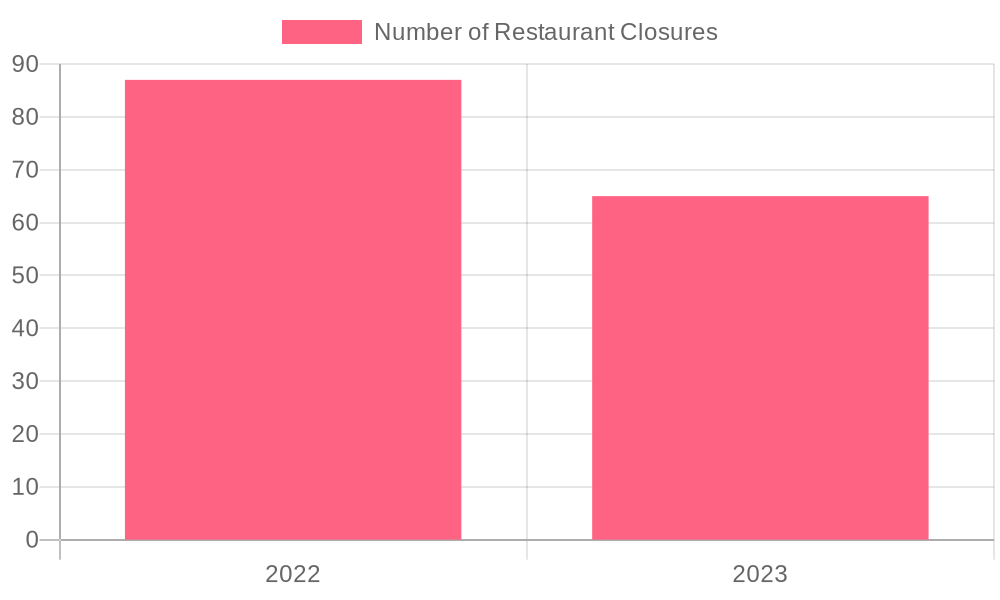
The chart illustrates the decline in restaurant closures in Pittsburgh from 2022 to 2023, yet highlights that challenges remain.
Factors Contributing to Closures
Several key factors have contributed to the ongoing closures:
- Labor Shortages: Many restaurants have indicated that finding and retaining staff remains difficult, a lingering effect of the pandemic.
- Increased Operational Costs: Inflation has raised costs for food ingredients, utilities, and rent, squeezing profit margins.
- Changing Consumer Preferences: Shifts toward delivery and takeout have forced many restaurants to adapt quickly or close their doors.
In addition to these closures, the University of Pittsburgh’s Center for Urban and Regional Analysis (CURA) reported that the restaurant sector has lost around 150 jobs in the area due to these closures, emphasizing the impact on the local economy. By the end of 2023, data revealed 78 restaurant closures for that year alone, continuing the trend of job loss within the industry.
| Year | Restaurant Closures | Net Job Losses in Restaurant Sector |
|---|---|---|
| 2022 | 102 | 150 |
| 2023 | 78 | 150 |
Note: The job loss figure of 150 is reported as a net loss for both years combined, based on the provided data.
The Outlook for Pittsburgh Dining
Despite the challenges, there’s a silver lining: New restaurants are emerging to replace some of the closed ones, indicating a potential restructuring of the market rather than outright decline. Reports from the Greater Pittsburgh Chamber of Commerce suggest that the dining landscape is adapting, with a trend toward takeout and smaller meal offerings gaining popularity.
For those within the restaurant industry, staying informed about market trends and consumer preferences is essential. Resources like the Greater Pittsburgh Chamber of Commerce provide valuable insights into the evolving landscape, allowing business owners to make strategic adjustments in a challenging environment.
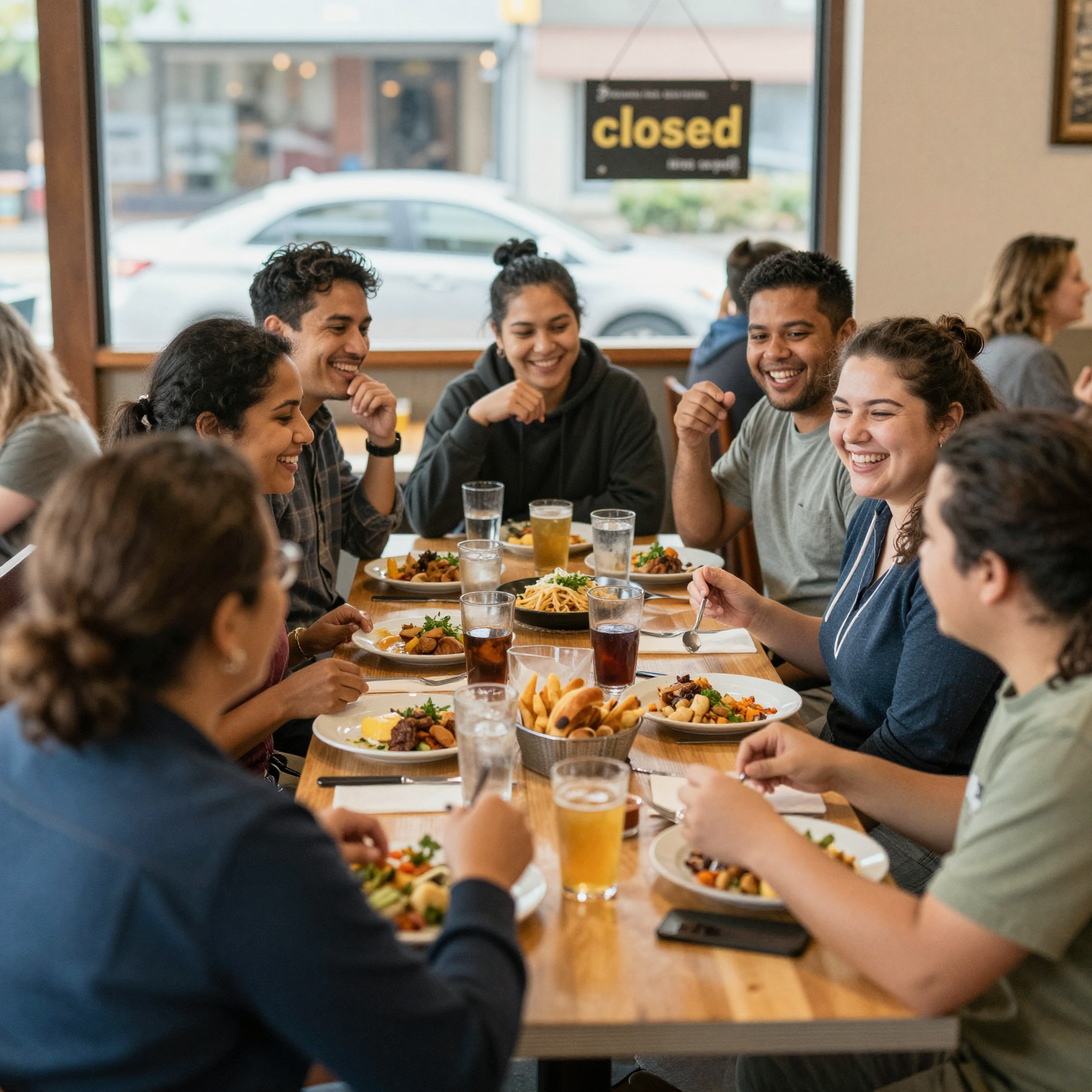
A representation of community sentiment showing a diverse group of people gathering in a local restaurant setting, reflecting unity and support in the face of restaurant closures.
Explore these related restaurants:
Business Strategies for Resilience in the Hospitality Industry
In the dynamic environment of the hospitality industry, business owners face numerous challenges, from labor shortages to rising costs. To ensure resilience in the face of these challenges, here are some actionable strategies that can help hospitality businesses thrive:
-
Diversify Revenue Streams: Consider expanding your offerings by introducing delivery services, catering options, or event hosting. Adapting to changing consumer preferences can create additional income sources and reduce dependency on traditional services.
-
Optimize Supply Chain Management: Enhance relationships with suppliers to ensure consistent product availability and negotiate better terms. Effective inventory management can also help mitigate rising costs associated with inflation and supply chain disruptions.
-
Invest in Employee Training and Wellness: A well-trained, engaged workforce can improve service quality and customer satisfaction. Implementing regular training programs and focusing on employee well-being can help retain staff and reduce turnover rates, thus addressing labor shortages effectively.
-
Utilize Digital Tools: Implement technology to streamline operations and improve customer experiences. Tools such as AI-driven customer service, online booking systems, and data analytics can enhance operational efficiency and meet evolving guest expectations for personalized experiences.
-
Enhance Customer Engagement: Foster loyalty by creating programs that reward frequent guests. Utilizing social media and email marketing can also keep customers informed about new offers and promotions, maintaining engagement even when foot traffic is lower.
-
Sustainability Practices: Embrace eco-friendly practices, from reducing waste to sourcing local ingredients. Consumers increasingly seek out businesses that prioritize sustainability, which can enhance brand image and attract a loyal customer base.
-
Develop Crisis Management Plans: Prepare for potential disruptions by creating comprehensive crisis management and communication plans. Regularly updating these plans and training staff on their implementation can ensure smooth operations during unexpected events.
By adopting these strategies, hospitality business owners can foster resilience, ensuring they remain adaptable and prepared for future challenges. For more insights on successful hospitality strategies, learn more.