Discover the Allure of Summerhouse Restaurants
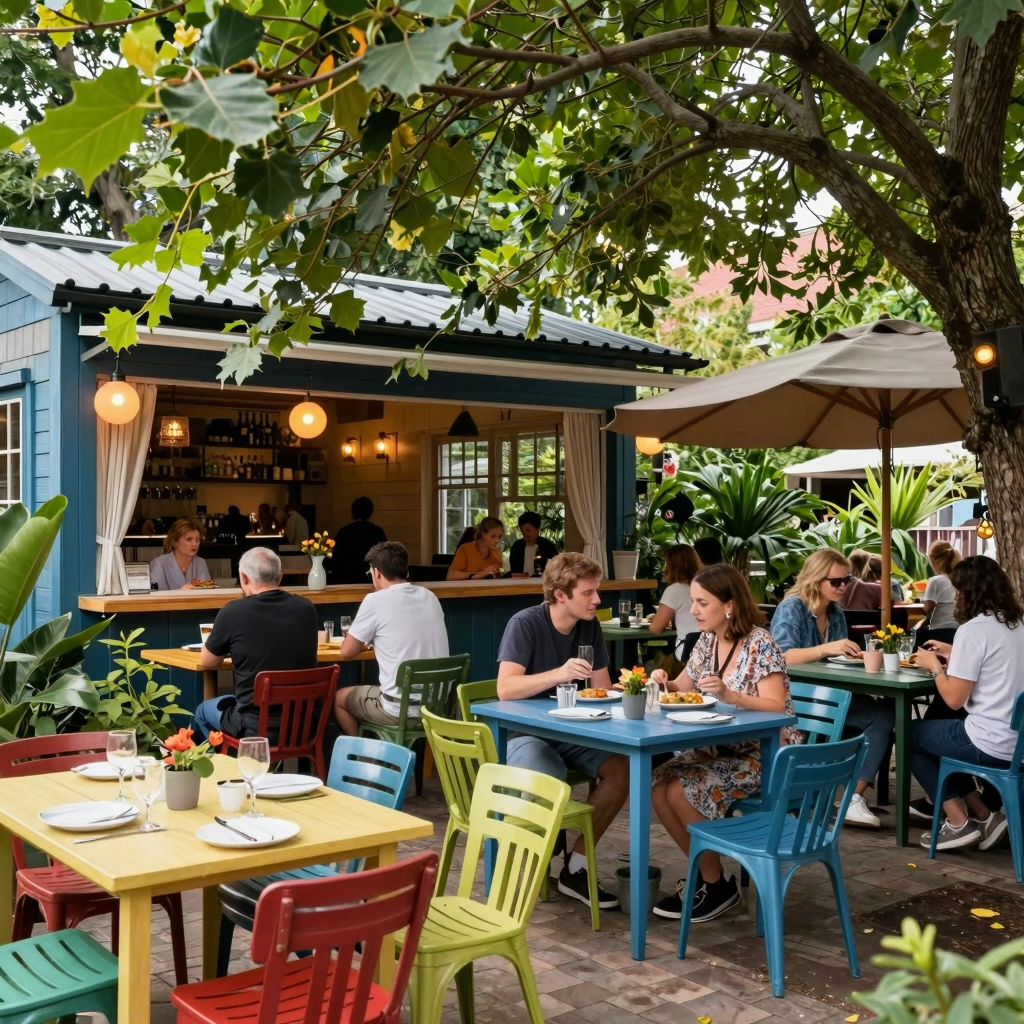
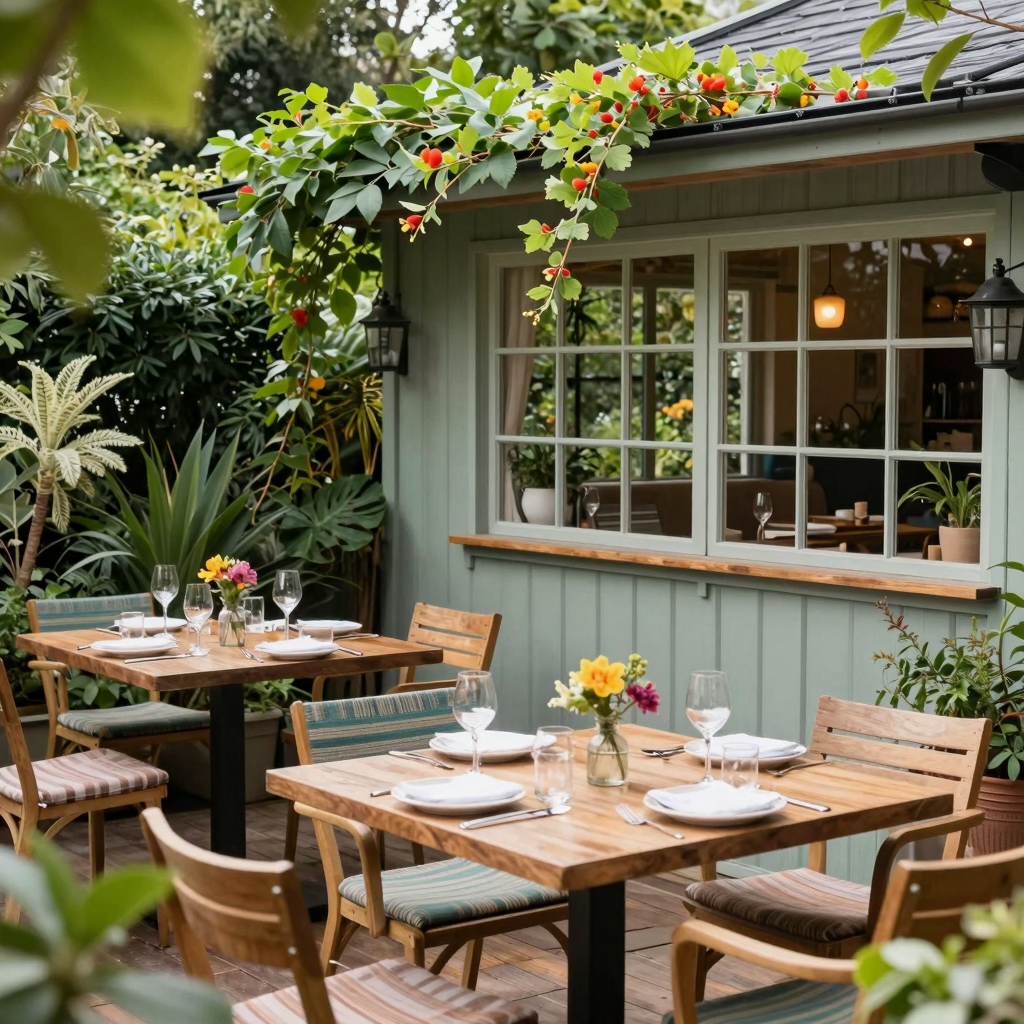
In recent years, the hospitality industry has witnessed a shimmering trend that blends leisure with culinary delight: the summerhouse restaurant. Imagine a vibrant dining space adorned with warm wooden accents, lush greenery, and the inviting scent of grilled delicacies wafting through the air. Summerhouse restaurants are not only appealing for their stunning aesthetics but also for their ability to create memorable experiences against the backdrop of summer bliss. They cater to a diverse audience, with a particular focus on business owners seeking innovative ways to enhance client relations and provide unique dining experiences. As these venues blossom in popularity, they hold the promise of profitability while that charmingly melds the outdoor ambiance with exquisite cuisine. Whether you are exploring ways to attract patrons or aiming to elevate your restaurant’s seasonal offerings, the summerhouse model holds invaluable insights for business growth and customer satisfaction. Dive into this article as we explore the essential aspects of establishing and operating a successful summerhouse restaurant.
Learn more about El Canelo Restaurant and how it embodies the spirit of such vibrant dining experiences.
What is a Summerhouse Restaurant?
A summerhouse restaurant is typically characterized by its outdoor dining spaces, designed to offer patrons an alfresco dining experience in a relaxed and picturesque setting. These establishments often utilize semi-permanent or seasonal structures that blend seamlessly with the natural environment, including gardens, patios, or coastal views.
Features:
- Outdoor Dining: One of the hallmark features of a summerhouse restaurant is its emphasis on outdoor seating. Whether it’s a terrace overlooking a beach or a garden filled with flowers, the environment enhances the dining experience.
- Natural Elements: The decor is often inspired by nature, using materials like wood, stone, and plants to create a harmonious atmosphere that feels part of the outdoors.
- Seasonal Menu: Many summerhouse restaurants focus on fresh, locally sourced ingredients, offering seasonal dishes that appeal to diners seeking lighter, refreshing options during warm weather.
Ambiance:
The ambiance is typically laid-back and inviting, encouraging guests to relax, unwind, and enjoy their meals in a serene environment. Soft lighting, comfortable seating, and often live music or nature sounds contribute to the overall experience.
Typical Offerings:
Menus may vary widely but often include:
- Fresh salads, seafood, and grilled meats.
- Light appetizers and desserts featuring seasonal fruits.
- Specialty cocktails and refreshing beverages ideal for warm weather.
Benefits for Business Owners:
For restaurateurs, a summerhouse restaurant offers unique advantages:
- Increased Revenue Potential: The appeal of outdoor dining can attract more customers, especially during the summer months.
- Brand Differentiation: A summerhouse concept can set a restaurant apart from traditional establishments, creating a niche market.
- Event Hosting: The scenic settings are often ideal for hosting private events, weddings, or parties, increasing opportunities for business.
Implementing the summerhouse restaurant concept can significantly enhance a dining establishment’s allure and profitability. For instance, if you’re considering such a theme, you might find inspiration from El Canelo Restaurant or explore various other dining styles to enrich your menu offerings.
Benefits for Business Owners
Opening a summerhouse restaurant can bring a multitude of benefits that cater to both business growth and customer satisfaction. Here are some key advantages:
-
Increased Customer Traffic: A summerhouse restaurant attracts both regular customers and tourists looking for unique dining experiences. The seasonal appeal draws people who are eager to enjoy their meals outdoors, effectively increasing foot traffic.
-
Seasonal Appeal: Summer offers a natural ambiance that enhances dining experiences. Customers are more likely to dine out and try new places when the weather is pleasant. The seasonal charm of a summerhouse restaurant can make it a go-to spot for both locals and visitors.
-
Opportunities for Outdoor Dining: Outdoor spaces allow restaurants to expand their seating capacity without the need for renovation costs. Customers enjoy dining al fresco, which not only boosts sales but also elevates the dining experience.
-
Enhanced Menu Flexibility: A summerhouse restaurant allows owners to experiment with summer-specific menus, showcasing fresh and vibrant ingredients. Seasonal offerings can attract health-conscious diners looking for lighter, refreshing dishes.
-
Community Engagement: Summerhouse restaurants often engage with their local communities by hosting events, festivals, and outdoor activities. This can foster a loyal customer base and enhance the restaurant’s image within the community.
-
Brand Differentiation: In a competitive market, having a theme like a summerhouse restaurant can set a business apart. It creates a unique identity that can be marketed effectively through social media and local advertising, drawing attention to the restaurant’s distinct vibe.
In conclusion, opening a summerhouse restaurant is not just about serving food; it’s about creating an enticing atmosphere that resonates with dining trends and customer expectations. For more insights, consider visiting El Canelo Restaurant or Michoacan Restaurant to explore unique dining concepts in vibrant environments.
Testimonials from Successful Summerhouse Restaurant Owners
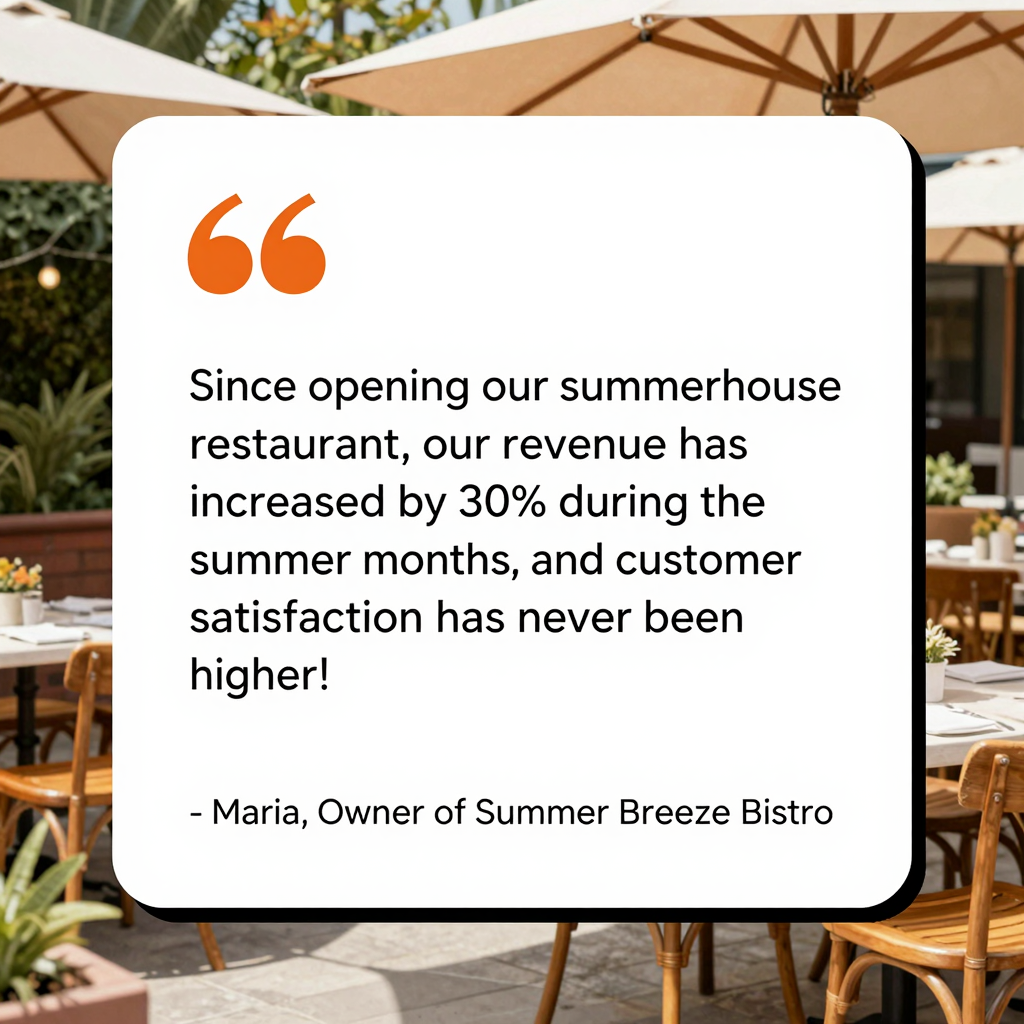
“Since opening our summerhouse restaurant, our revenue has increased by 30% during the summer months, and customer satisfaction has never been higher!”
- Maria, Owner of Summer Breeze Bistro
This testimonial highlights the transformative impact a summerhouse restaurant can have on a business’s revenue and customer experience. For more insights on running a restaurant, learn more about El Canelo Restaurant.
The Rise of Outdoor Dining: Trends and Consumer Preferences
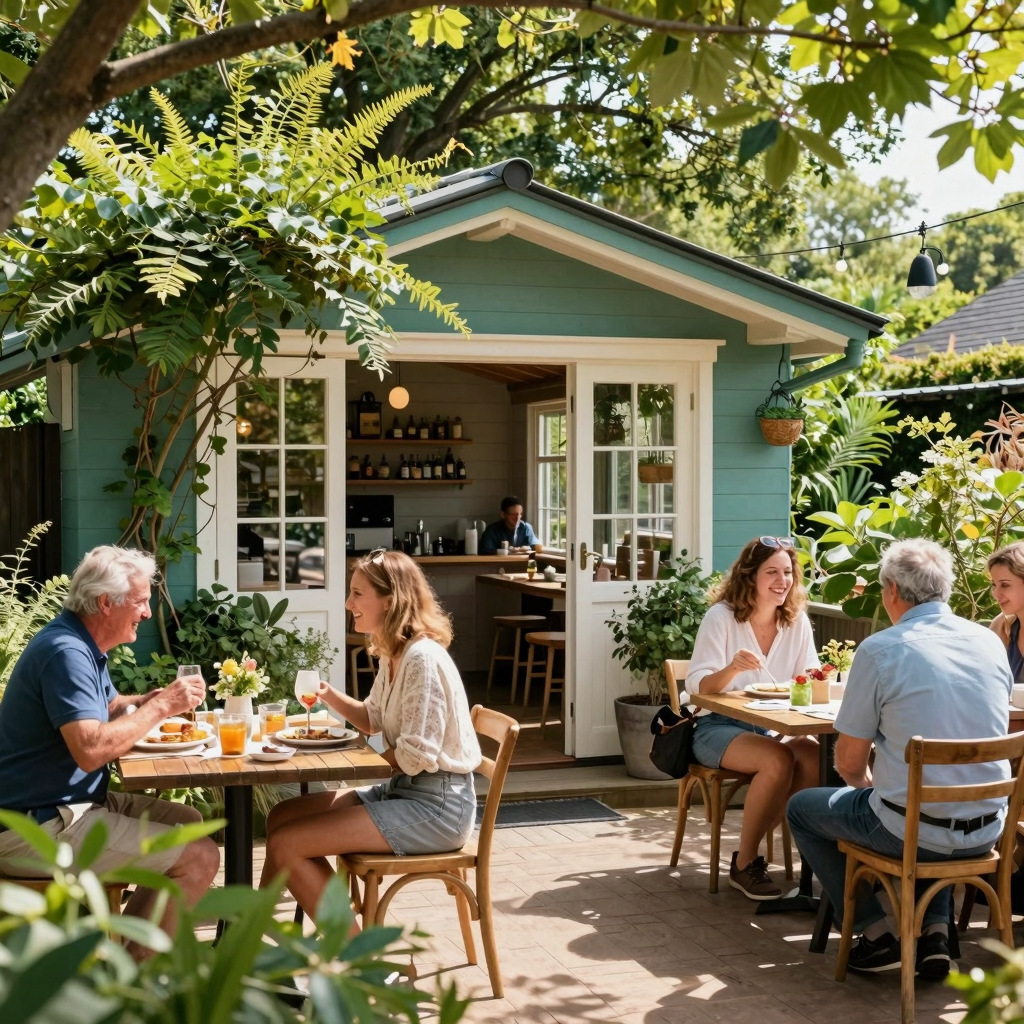
In recent years, especially accelerated by the global pandemic, outdoor dining has burgeoned into a dominant trend within the foodservice industry. Consumers increasingly seek dining experiences that blend the comfort of fresh air with quality cuisine. Here are some key insights:
Growth in Popularity
- Widespread Adoption: Many restaurants, particularly in urban areas, have adapted by expanding their outdoor seating arrangements. In 2023, a significant number of restaurant owners reported that about 60-70% of their patrons prefer outdoor dining during the warmer months.
- Long-Term Changes: Consumer behavior shifted as outdoor dining became more than a temporary solution; it has now been established as a preferred dining choice. A survey indicated that more than 50% of diners plan to continue patronizing outdoor dining options after the pandemic restrictions have eased.
Factors Driving Preference
- Health and Safety: Health concerns stemming from COVID-19 have led consumers to favor outdoor dining as a safer alternative. The open environment reduces the perceived risk of virus transmission.
- Aesthetic Appeal: Many diners are increasingly attracted to the ambiance of outdoor settings, valuing the experience as much as the meal itself. Restaurants that enhance their outdoor dining spaces with unique aesthetics-think string lights, greenery, and warmth-are likely to attract more customers.
Financial Impacts
- Increased Revenue: Many restaurant owners report that outdoor seating has contributed to a noticeable increase in sales. Data from previous years suggested that establishments with outdoor dining could see a 30% increase in overall revenue.
Urban Planning and Regulations
-
Municipal Support: Many cities have relaxed regulations to allow easier approval of outdoor dining setups. Supportive municipal policies have fostered innovation and adaptability in the restaurant industry.
-
Sustainability: There’s a growing preference for establishments that implement sustainable practices in their outdoor services, such as using biodegradable materials and incorporating green spaces.
In conclusion, outdoor dining is not just a trend but a transformative element reshaping consumer expectations in the restaurant industry. Business owners should consider enhancing their outdoor options and the overall consumer experience to capitalize on this lucrative market.
For further insights on how different restaurants are adapting to these trends, you might want to check out El Canelo Restaurant or explore options available at Veracruz Restaurant.
| Restaurant Concept | Features | Target Demographics | Marketing Strategies |
|---|---|---|---|
| Coastal Seafood Grill | Fresh seafood, outdoor seating, beach vibes | Families, tourists | Social media promotions, local partnerships |
| Farm-to-Table Bistro | Organic ingredients, seasonal menu | Health-conscious diners | Content marketing, farm partnerships |
| Rustic Italian Trattoria | Cozy ambiance, pasta and pizza choices | Couples, family groups | Influencer collaborations, loyalty programs |
Essential Design and Ambiance Elements for Summerhouse Restaurants
Creating an inviting atmosphere is vital for summerhouse restaurants aiming to attract a diverse customer base. The design elements and ambiance can significantly impact a patron’s dining experience and overall satisfaction. Here’s how business owners can cultivate an enchanting summerhouse atmosphere:
1. Outdoor Seating and Gardens
One of the most defining characteristics of a summerhouse restaurant is its integration with nature. An outdoor seating area, complete with lush gardens, allows diners to enjoy the fresh air and serene environment. Using natural materials like wood and stone for furniture can enhance this connection with nature. Adding elements like string lights, patio heaters, and fire pits can create a cozy ambiance in the evenings, making the outdoor area inviting all day long.
2. Bright and Airy Interiors
The interior design of summerhouse restaurants should reflect the beauty of summer. Light, airy colors, and spacious layouts can make the restaurant feel welcoming and open. Utilize large windows to allow natural light to flood the space-this not only improves energy but also creates a vibrant atmosphere. Seasonal decorations, like fresh flowers or fruit displays, can further enhance the bright aesthetic.
3. Comfortable and Functional Furniture
Comfort is key. Opt for furniture that invites patrons to relax, such as cushioned chairs and spacious tables. A diverse seating arrangement, including booth seating and communal tables, encourages groups and families to dine. Ensure that the arrangement allows for easy movement, with adequate spacing between tables to create a relaxed environment.
4. Artistic and Localized Décor
Incorporating local artwork or elements that reflect the restaurant’s geographic location can create a unique identity. This might include murals depicting local landscapes or sculptures from nearby artists. Seasonal artwork can also keep the atmosphere fresh and engaging, drawing repeat customers who appreciate new experiences.
5. Inviting Color Schemes
Choose color schemes that resonate with warmth and joy. Soft yellows, beachy blues, and natural greens can evoke feelings of summer. These colors can be incorporated through wall paints, textiles, and decorative items, creating a consistent theme throughout the restaurant’s design.
6. Ambient Lighting
Lighting plays a crucial role in setting the mood. During the day, natural light should be maximized, while in the evenings, layered lighting using pendant lights, candles, and dimmable overhead fixtures can create an intimate atmosphere. This versatility is particularly important for summerhouse restaurants that see different crowds at various times of the day.
7. Acoustic Considerations
The right acoustics can greatly enhance or detract from the dining experience. Incorporate soft surfaces like curtains, rugs, and upholstered furniture to absorb sound. Live music performances, perhaps featuring local artists, can further enrich the ambiance, making it a pleasant destination for casual outings and special occasions alike.
Conclusion
Investing in well-thought-out design elements and ambiance creation not only attracts customers but also fosters loyalty and repeat visits. By creating a captivating summerhouse restaurant atmosphere, owners can enhance customer experiences, making their establishments a preferred choice for dining out. To explore more about restaurant concepts centered on unique designs, consider checking out El Canelo Mexican Restaurant for inspiration.
Menu Ideas for Summerhouse Dining
Appetizers
- Caprese Salad Skewers: Cherry tomatoes, fresh mozzarella, and basil drizzled with balsamic reduction.
- Grilled Vegetable Platter: Assortment of seasonal veggies like zucchini, bell peppers, and asparagus, seasoned and grilled.
- Shrimp Cocktail: Chilled shrimp served with a tangy cocktail sauce and lemon wedges.
- Bruschetta: Toasted baguette slices topped with diced tomatoes, garlic, basil, and olive oil.
Main Courses
- Grilled Salmon: Fresh salmon fillet marinated and grilled, served with a light lemon-dill sauce.
- Chicken Tacos: Soft tortillas filled with grilled chicken, cabbage slaw, and avocado salsa.
- Vegetarian Quinoa Bowl: Quinoa served with black beans, corn, diced peppers, and a lime vinaigrette.
- BBQ Ribs: Tender ribs glazed with a homemade barbecue sauce, slow-cooked to perfection.
Desserts
- Lemon Sorbet: Refreshing lemon-flavored sorbet, perfect for a hot summer day.
- Berry Parfait: Layers of fresh berries, yogurt, and granola in a glass.
- Key Lime Pie: Classic dessert with a zesty lime filling and graham cracker crust.
- Pineapple Upside-Down Cake: Moist cake topped with caramelized pineapples and cherries.
These dishes not only celebrate the bounty of summer produce but also cater to various dietary preferences. Additionally, they create an inviting and relaxed atmosphere for guests at your summerhouse restaurant. For more inspiration, you can explore our restaurant offerings or check out the Mexican flavors at El Canelo.