
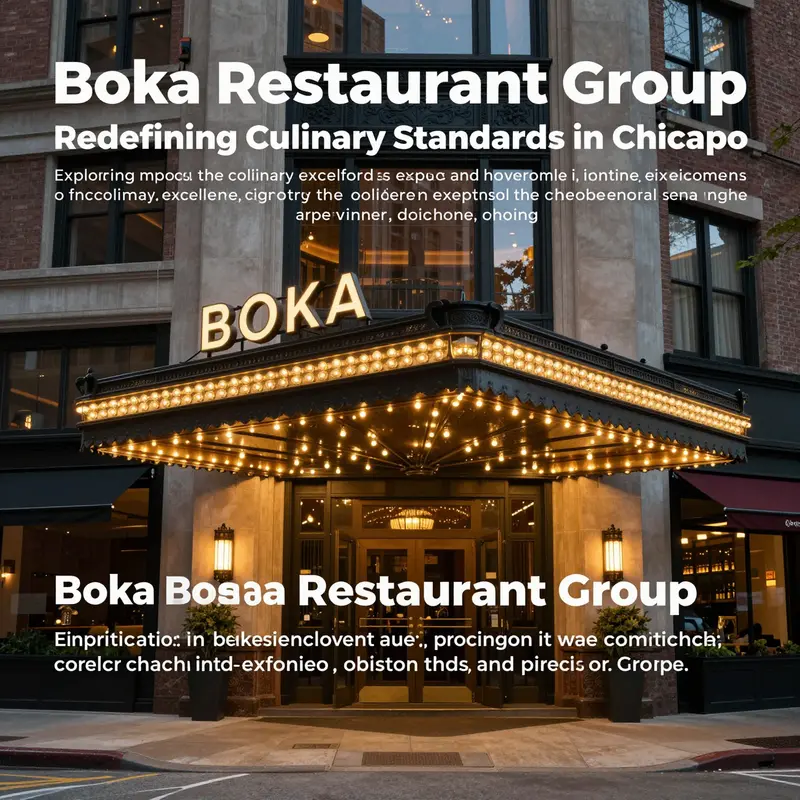
Boka Restaurant Group stands as a pillar of culinary excellence in Chicago, showcasing innovative approaches to dining through its flagship restaurant, Boka, and several other acclaimed establishments. Recognized with a prestigious One Star rating from the MICHELIN Guide, Boka is a hallmark of contemporary American cuisine that consistently raises the bar in the Chicago dining scene. This comprehensive exploration delves into the group’s exceptional culinary achievements, its strategic growth and expansion initiatives, the significant impact it has made on the local dining landscape, and the innovations that continue to set it apart from competitors. Together, these insights paint a picture of a dynamic restaurant group that not only shapes gastronomic experiences but also molds industry trends.
Boka Restaurant Group: Crafting Culinary Excellence Through Leadership, Design, and Chicago’s Fine-Dining Landscape
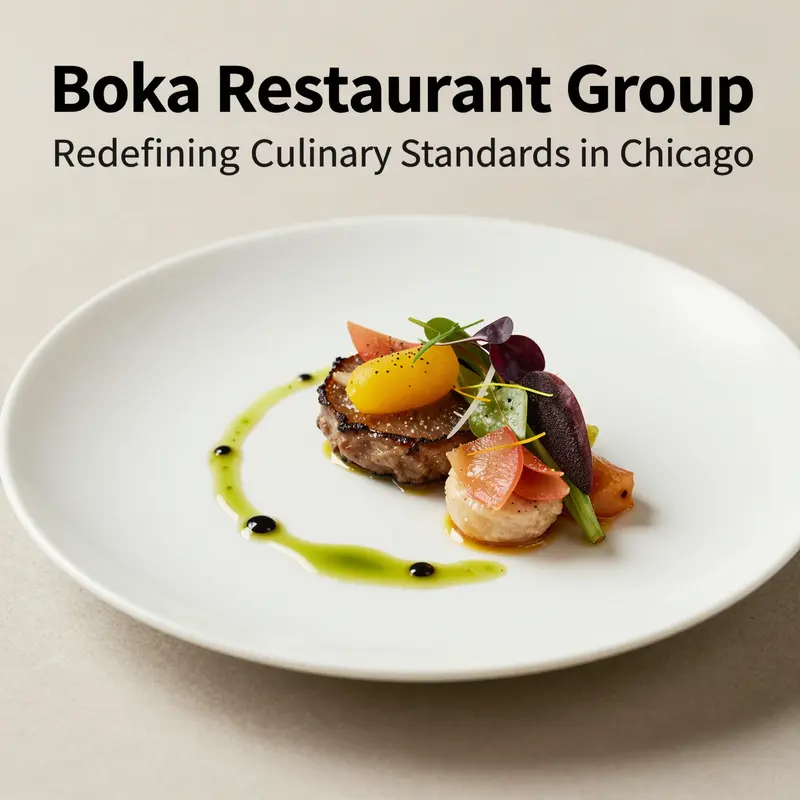
Boka Restaurant Group sits at the intersection of culinary precision and cultural aspiration, a Chicago-born collection that has reshaped what visitors expect from American fine dining. At its core lies a commitment to flavor, technique, and presentation that redefines a dining moment as an event—one that lingers in memory long after the last course has been cleared. The group’s flagship Boka, housed at 1729 N. Halsted St., embodies this ethos through a menu that balances brightness and depth, precision and play, all framed by an attention to detail that signals intent from the first sight of the room to the final bite. The restaurant’s One Star in the MICHELIN Guide is not merely an accolade; it is an acknowledgement of consistent excellence, a standard that the group upholds across its expanding portfolio. The MICHELIN distinction places Boka among the select echelon of American dining, a distinction that the team translates into everyday practice: rigorous sourcing, meticulous technique, and a palate-led approach that respects seasonality while inviting surprise.
What makes Boka and its sister concepts feel cohesive is not a single signature dish but a shared philosophy of cooking that treats ingredients as protagonists in a larger conversation. The group operates with a cultivated flexibility that allows each restaurant to express its own voice while still contributing to a recognizable family aesthetic. This is most evident in how the portfolio threads together a spectrum of experiences—from intimate, refined tasting menus to space that invites drop-in conviviality without sacrificing the level of care diners expect. The culinary leadership behind these spaces is marked by a dynamic blend of veteran expertise and fresh energy. A Top Chef contestant cooking within the group’s walls signals more than television exposure; it signals a standard of craft that travels across menus, pushing the team to explore new techniques, textures, and cultural references without abandoning the discipline that underpins every dish.
The group’s approach to cuisine is deeply collaborative. Menus evolve in dialogue with farmers, purveyors, and the seasons, yet the dialogue also reaches inward, shaping the way cooks think about texture, balance, and plate architecture. The result is a repertoire that can cover the arc from first bite to lingering aftertaste with deliberate pace. There is a sensitivity to texture that makes the plate feel like a tactile journey, a celebration of contrast—crisp versus velvety, bright acidity meeting deep, slow-cooked savor. Yet the kitchen remains disciplined. There is a restrained elegance in the plating that respects the palate’s appetite for clarity, not spectacle for spectacle’s sake. This is the core of Boka’s culinary excellence: a disciplined curiosity that invites invention while preserving a core sense of harmony.
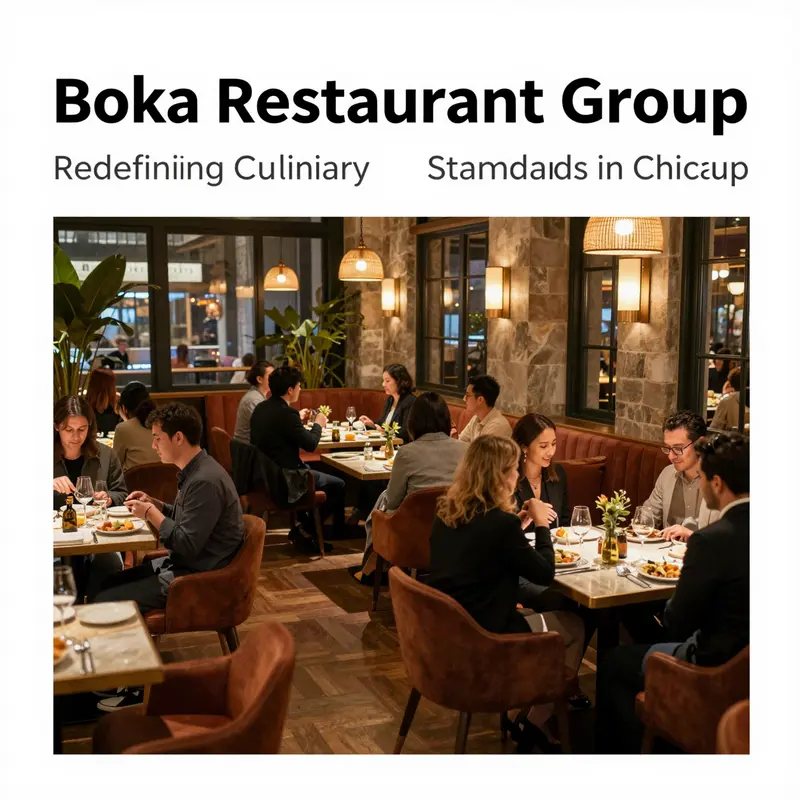
Design plays an equally vital role in the group’s impact. The dining rooms are not mere backdrops; they are integral to the flavor of the experience. The architecture, lighting, and spatial rhythm are calibrated to extend the dining journey, to heighten anticipation before the first course and to cradle the conversation that follows. This design-forward mindset aligns with the culinary program, ensuring that each bite resonates with the atmosphere surrounding it. A standout example is Momotaro, a concept within the group that has become a touchstone for design excellence. In 2024, Momotaro earned Best Restaurant Design at the Jean Banchet Awards for Culinary Excellence, a recognition that places its interiors among the most thoughtful and breathtaking environments in the industry. Food & Wine captured the essence of the space, praising its interior as a “breathtaking Japanese design” that amplifies the dining journey through elegance and cultural authenticity. The room, in other words, is part of the menu. The textures, materials, and movement through the space invite guests to feel as though they are stepping into a narrative rather than entering a room simply to eat.
This immersive design ethos serves a practical purpose beyond aesthetics. It helps sustain a multi-venue platform that can accommodate a range of experiences—tasting-focused evenings, chef-driven collaborations, and intimate, reservation-driven dining—without diluting quality. Each restaurant in the group has a distinct identity, yet the throughline remains: culinary excellence accompanied by an environment that amplifies it. The leadership team cultivates a culture that treats space and plate as two halves of the same story. In practice, this means menu development is informed by the room’s acoustics and lighting, while service pacing is choreographed to feel integral to the space rather than as an add-on. It also means training menus are designed to ensure line cooks and pastry teams understand how technique translates from performance on the plate to harmony within the room. The consequence is a consistent, elevated guest experience that feels both luxurious and intimate, a rare combination in a city known for its breadth of dining options.
The Chicago context adds another layer to the group’s success. The city’s food ecosystem rewards humility and ambition in equal measure: a willingness to honor local produce, to experiment with global influences, and to elevate hospitality as a personal craft. Boka and its siblings have embraced this ecosystem, investing in people who care about lineage and craft. The training ethos emphasizes mentorship, discipline, and continual learning, encouraging chefs to push boundaries while respecting core techniques. In an industry that prizes novelty, the group’s ability to sustain quality across a portfolio speaks to a leadership style that values consistency as much as creativity. The result is a collection of dining rooms that feel both anchored in Chicago’s culinary heritage and open to the possibilities of modern, global dining conversations.
The accolades amassed by the Boka Restaurant Group reflect not only the excellence of its cooking but also its capacity to cultivate a living, evolving dining culture. The MICHELIN star recognizes the highest levels of precision, seasonality, and balance—qualities that no single dish can claim alone but which the group maintains through disciplined menus and relentless refinement. The awards across the culinary and design spectrums attest to a holistic pursuit of excellence: food that excites the senses, service that anticipates needs, and spaces that elevate the entire experience. In this sense, the group’s success is less about a shelf of trophies and more about a continuous loop of learning, experimentation, and storytelling. Each restaurant acts as a data point in a larger narrative about what contemporary American dining can achieve when leadership, craft, and place converge.
A notable strength of this approach is its ability to attract talent who bring both pedigree and curiosity. A Top Chef contestant within the kitchen signals a nation-wide recognition of the level of skill on display and sets a benchmark for peers and protégés. But beyond notoriety, this presence serves as a catalyst for internal growth, pushing teams to study technique, plating, and flavor with renewed rigor. It also helps the group recruit and retain a range of talent, from sommeliers and pastry chefs to front-of-house teams who understand that hospitality is a craft that thrives on empathy and anticipation. The conversations around menus become conversations about craft, and that shared vocabulary helps maintain consistency across the group while allowing for regional experimentation and concept-specific innovation.
Design is not merely an aesthetic concern; it is a strategic differentiator that supports the group’s growth. The careful layering of materials, textures, and lighting can slow time just enough for guests to savor the progression of flavors. It also provides a stage for the culinary teams to highlight seasonal ingredients in ways that feel both contemporary and respectful of tradition. The best rooms invite conversation, the kind that threads through wine lists, courses, and the service narrative. When a guest moves from one concept to another within the same family, the memory of the space — its scale, its color palette, the cadence of its dining room—continues to resonate, reinforcing a sense of continuity even as menus shift. It is this orchestration of atmosphere and artistry that sets the Boka Restaurant Group apart in a crowded city and places it within a broader national conversation about how excellence is defined in modern dining.
For readers who wish to explore the broader landscape of American dining as it relates to groups like Boka, the story of design-driven hospitality and culinary ambition offers a useful frame. A related examination of how design and culture intersect in restaurant groups can be found in ongoing industry coverage, such as perspectives highlighted in broader restaurant networks and culinary discussions. And for a more outward look at the group’s trajectory and its impact on Chicago’s dining scene, see external resources that profile its bars, kitchens, and spaces as part of a larger national narrative about quality and innovation. External perspectives also provide context for how one city’s dining culture can propel a group to national prominence, while still nurturing the local relationships that keep sustainable sourcing and community engagement at the forefront.
In sum, the Boka Restaurant Group embodies a balanced equation: culinary excellence achieved through disciplined technique and curiosity, paired with immersive environments that elevate every course into a complete, memorable experience. It is a model that respects tradition while embracing innovation, a model that invites both diners and industry peers to reconsider what is possible when leadership, craft, and space work in concert. The result is not only a collection of restaurants that people travel for, but a living laboratory for how contemporary American dining can evolve without losing its moral center: a deep reverence for ingredients, a devotion to hospitality, and a relentless commitment to craft. For those who seek a vision of what comes next in fine dining, the Boka Restaurant Group offers a compelling, delicious, and thoughtfully designed map.
External resource: https://www.foodandwine.com/restaurants/boka-restaurant-group-chicago
Internal reference: great-american-restaurants
null
null
Diversifying Fine Dining: How Boka Restaurant Group Shaped Chicago’s Culinary Scene
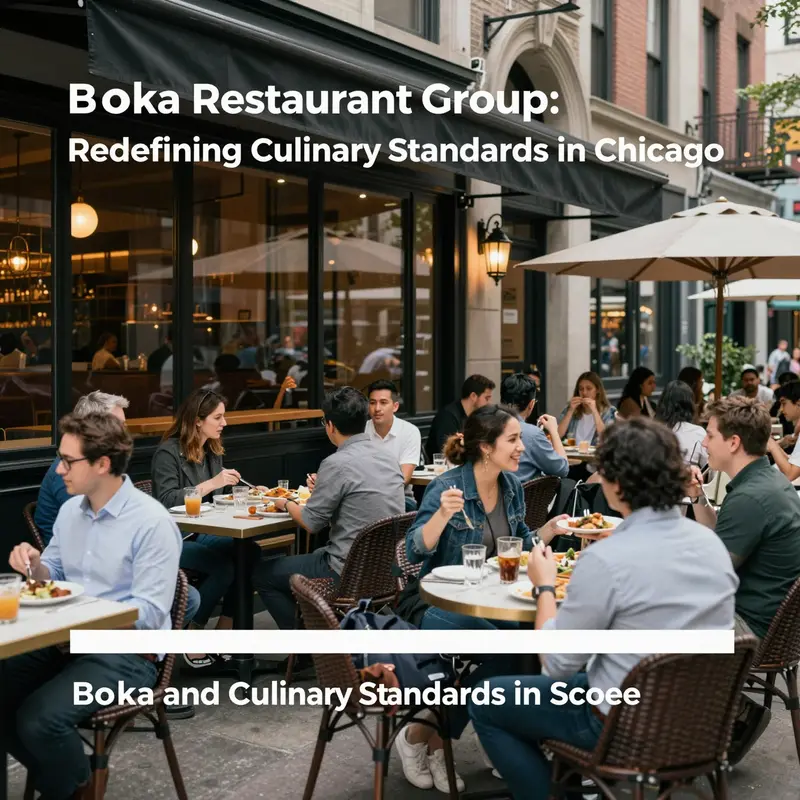
Since its founding, Boka Restaurant Group has become a catalyst for Chicago’s modern dining landscape. From the flagship Boka in Lincoln Park to Artusi, Kasama, and Graze, the group has shown how rigor, hospitality, and global inspiration can coexist. Each concept speaks with its own voice while sharing a commitment to high-quality sourcing, thoughtful plating, and attentive service. The result is a portfolio that invites discovery across neighborhoods and elevates the overall dining experience in the city. In Lincoln Park, Boka anchored a new standard for refined American cuisine, while expansions into River North and beyond demonstrated how culinary leadership can drive urban revitalization and community engagement. The group’s approach—seasonal ingredients, sustainable practices where possible, and a warm, welcoming dining room—has influenced a generation of chefs and restaurateurs in Chicago. As a collective, Boka Restaurant Group has helped redefine what it means to offer luxury dining that remains approachable, inclusive, and grounded in craft.
Innovations in Action: Redefining Chicago Dining Through Boka Restaurant Group
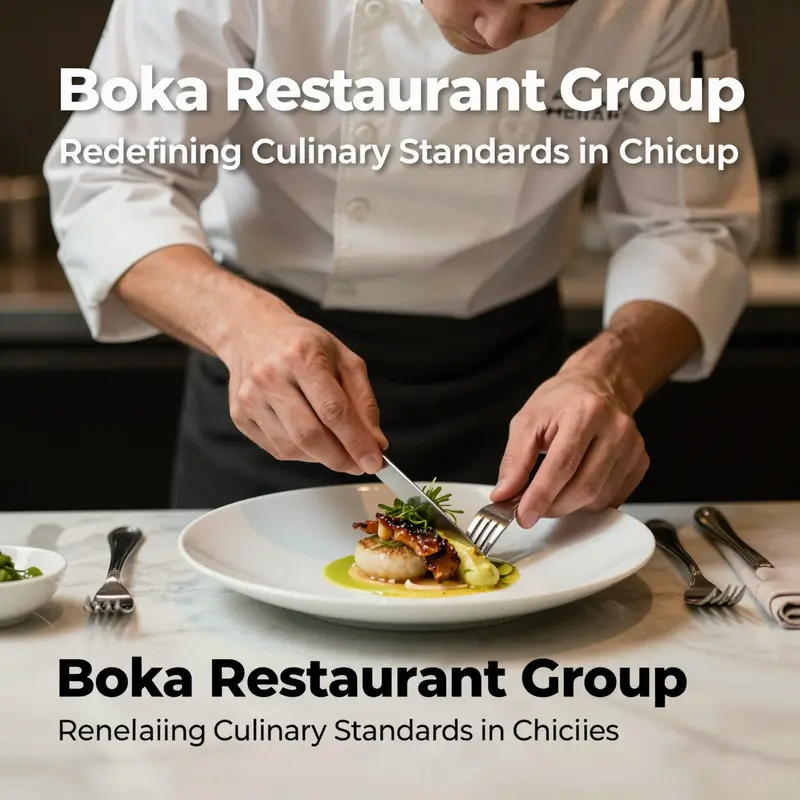
In Chicago’s crowded dining landscape, Boka Restaurant Group stands out not just for the plates it serves but for the method by which it builds them. The chain of ideas that guides its operations blends culinary ambition with people-centered leadership and a steadfast commitment to the places where food begins and ends. What emerges is a cohesive practice that treats every service as a learning opportunity, every supplier relationship as a stewardship agreement, and every guest experience as a chance to demonstrate responsibility as much as refinement. The outcome is a narrative of progress that reads as a single, continuous conversation about how to do dining differently—without sacrificing the precision that defines a high-end evening out. The flagship at 1729 N. Halsted St. is more than a destination; it is a living laboratory where processes and palate evolve in tandem, a microcosm of how contemporary hospitality can be both exquisite and humane, both rigorous and generous.\n\nCentral to this evolution is what the group has embraced as dynamic workplace trends. Boka stimulates a culture that values flexibility in how people approach their roles, recognizing that great dining depends on teams that feel supported, heard, and challenged in equal measure. Flexible work models reduce burnout and cultivate resilience, while comprehensive wellbeing initiatives address the real-life rhythms of kitchen and service life. The practical result is not merely happier staff; it is steadier service, with teams that anticipate needs, shift gears with ease, and retain institutional knowledge across seasons. Talent development runs as a continuous line rather than a series of isolated programs. Mentorship pairs, cross-training, and opportunities to contribute ideas across concepts create a collaborative atmosphere in which cooks, sommeliers, hosts, and managers learn from one another. This is not a soft strategy; it translates into steadier ramp-ups for new menus, more confident execution during peak nights, and a guest experience that feels both spontaneous and meticulously rehearsed.\n\nIn the heart of this approach lies a simple principle: people who feel invested in will invest in guests. The group’s leadership has framed this not as an HR initiative but as the backbone of service quality. When teams understand how their work connects to the restaurant’s larger mission—delivering memorable meals through consistency, curiosity, and care—they bring energy that elevates every plate. The result is a chain reaction: better onboarding leads to stronger cross-functional collaboration, which in turn raises the standard of service and the pace of learning. These cycles are nurtured by regular reflection, data-informed planning, and an openness to adapt roles as the business, markets, and guest expectations shift. It is a deliberate, ongoing practice rather than a one-off program, and its effects ripple through every dining room, from the longest tasting menu to the simplest dinner service.\n\nCSR is not an add-on but a core dimension of identity for the group. Sourcing ingredients from local, sustainable farms ties menu development to a geographic truth: what surrounds the kitchen can sustain it. The emphasis on responsible procurement supports regional producers, reduces transportation footprints, and creates a supply chain that is both resilient and transparent. In practice, this means menus that evolve with the seasons, reflecting what farms can reliably deliver while staying faithful to a broader culinary vision. This alignment with the local economy also invites guests to participate in a story larger than the evening’s course, turning a meal into a form of community engagement. The group’s commitment to innovation extends to the kitchen as well, where waste reduction has moved from a noble intention to a set of practical, measurable practices. Scraps become stock, trimmings inform new techniques, and menu planning anticipates waste at every stage. Culinary teams are encouraged to experiment not just with flavors and textures but with how ingredients travel through the system—from farm to table, to plate, to compost bin or—ideally—carded into future menus. Every plate tells a story about stewardship as well as flavor.\n\nSustainability, in this framework, permeates the entire operational model. Eco-friendly practices are embedded in daily routines, not tacked onto the end of a shift. Energy and water conservation are monitored with a disciplined eye, while equipment choices reflect a philosophy of efficiency paired with performance. Menus are designed with an awareness of portioning, waste, and the life cycle of ingredients, guiding both the kitchen’s workflow and the guest’s perception of value. The discipline extends to packaging, dishware, and the way waste streams are diverted and treated. What emerges is a dining program that does not require guests to choose between luxury and responsibility; rather, it demonstrates that exceptional cuisine can coexist with responsibility without compromise. This is not a marketing line but a practice that informs day-to-day decisions—from supplier selections to prep schedules, from inventory controls to cleaning and maintenance cycles. When sustainability becomes a visible part of the dining narrative, guests arrive with expectations that align with the group’s broader mission: to deliver precise, memorable experiences while caring for the communities that make those experiences possible.\n\nThe interplay between workplace culture, CSR, and sustainability feeds directly into the culinary excellence for which the group is known. Innovation here is not confined to new techniques or rare flavors; it is embedded in the way the organization learns, shares, and scales ideas across its portfolio. Kitchens become ecosystems where ideas generated in one concept are tested in another, generating cross-pollination that accelerates progress. Staff are encouraged to bring forward problem-solving insights from service, sourcing, or prep, and leadership treats these contributions as essential levers for continuous improvement. The culinary programs reflect this ethos: menus that honor seasonality and locality, yet embrace contemporary technique and global influences, all built upon a foundation of consistent execution. Guests experience a sense of refinement that feels both adventurous and purposeful, where the dishes speak to a clear point of view and a transparent story about how they were made.\n\nIn speaking to this philosophy, it is useful to situate Boka’s approach within Chicago’s broader dining ecosystem. The city’s restaurant scene is a mosaic of heritage and experimentation, where established institutions coexist with nimble newcomers. Within that mosaic, Boka’s method—centered on people, planet, and palate—offers a compelling model of how a group can sustain excellence while expanding its footprint. The emphasis on flexible teams, responsible sourcing, and waste-conscious operations provides a template that other concepts can study without diluting the intensity of their craft. It is not a mere set of best practices but a living architecture that supports creativity while anchoring it in accountability. For readers curious about how this ecosystem operates in practice, a related exploration of Chicago’s diverse dining landscape can be found in broader coverage of the city’s culinary clusters, including the Lincoln Park corridor where a well-known local concept frames its own approach to guest experience: Mexican restaurants in Lincoln Park, Chicago.\n\nUltimately, the chapter on innovations at Boka Restaurant Group invites a refrain that resonates beyond fine dining. It is a reminder that leadership in hospitality, when anchored in compassionate people practices and rigorous sustainability, can elevate cuisine and cultivate trust. The guest’s journey—carefully choreographed from reservation to post-meal reflection—reflects a philosophy of hospitality that treats every interaction as a chance to reinforce values. The group’s ongoing work demonstrates how modern dining can be both technically exact and warmly human, how a kitchen can be an engine for social responsibility as well as for culinary invention. As the organization continues to grow, its practices offer a blueprint for integrating craft with conscience, luxury with accessibility, and aspiration with stewardship. In a world where guests increasingly seek meaning alongside flavor, Boka’s innovations show how a restaurant group can stay hungry for improvement while staying true to the communities it serves. External insights into the leadership’s evolving priorities can be found in the group’s official professional update, which outlines the current focus on workplace trends, fundraising, and networking dynamics across its portfolio: https://www.linkedin.com/posts/bokarestaurantgroup/workplace-trends-fundraising-networking-activity-7034567890123456789/.
Final thoughts
Boka Restaurant Group not only exemplifies culinary excellence through its flagship restaurant but also contributes significantly to the fabric of Chicago’s dining scene. As it continues to grow and innovate, the group remains a leader in contemporary American cuisine, influencing trends and inspiring new standards of dining experiences. Its commitment to quality and innovation ensures that it will be at the forefront of the culinary landscape for years to come, making it a valuable case study for business owners striving for excellence in the restaurant industry.