
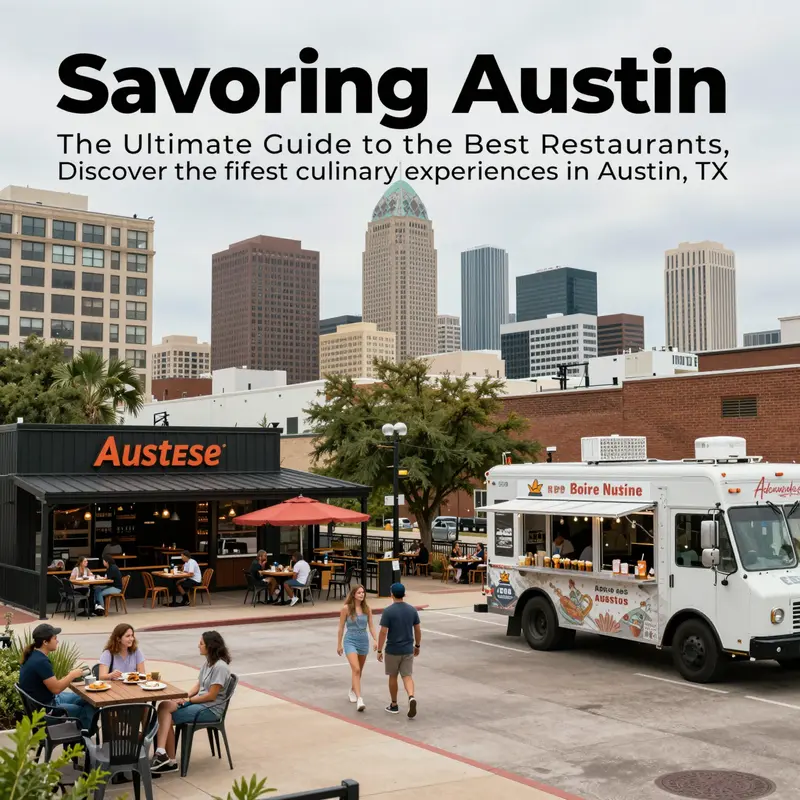
Austin, TX, is a culinary treasure trove, renowned for its diverse and innovative food scene. Catering to both locals and visitors, the city offers a plethora of dining options that inspire and satisfy every palate. In this guide, we’ll delve into the top barbecue spots that have become benchmarks of excellence, explore the diverse cuisines that reflect Austin’s rich cultural tapestry, and identify the best restaurants for various occasions. Whether you’re a business owner seeking locations for client meetings or looking to impress on a date night, this comprehensive look into Austin’s best restaurants will equip you with everything you need to know.
Smokestack Symphony: A Narrative Tour of Austin’s Best Barbecue Spots
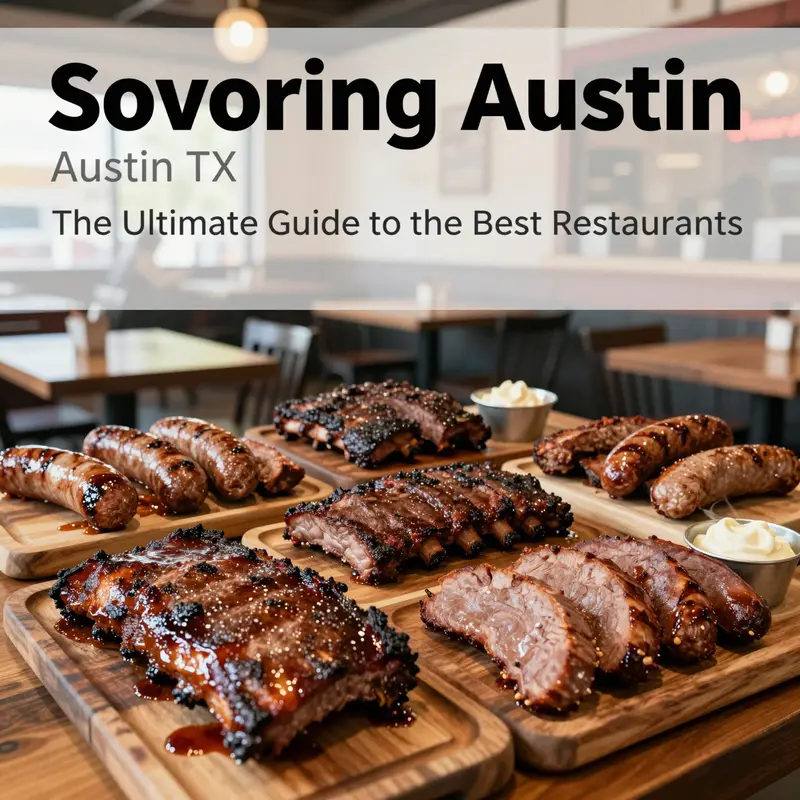
Austin’s barbecue story is a living, breathing map of community, craft, and patience. In this city, long-smoked brisket is more than a meal; it is an invitation to slow down, to gather with friends, and to taste the way time and fire can transform simple ingredients into something you carry with you long after the last bite. The scene is anchored by a few legendary names whose reputations are almost mythic, yet every neighborhood harbors its own quiet families and dedicated pitmasters who keep the flame alive. The result is a city where tradition and experimentation share a table, and where every bite carries a memory as much as a flavor. At the center of this landscape sits a landmark whose lines alone tell a story of devotion and anticipation: Franklin Barbecue. The air hangs with smoke and the sense that something beloved has become a ritual, a rite of passage for visitors and locals alike. The brisket, when finally sliced, offers a texture that seems to have learned patience from the pit—the crust is crisp and caramelized, the interior pink and tender, a balance of tenderness and chew that feels almost inevitable once you’ve waited long enough to taste it. The excellence here doesn’t rest on magic alone; it rests on insistence—hand-selecting beef, managing the pit with almost forensic care, and letting time dictate the pace rather than the calendar. It is a benchmark, not a gimmick, a standard that makes other spots in town want to measure up rather than merely imitate. Alongside the fame, there is the human scale of the experience: the small crew behind the counter who greet regulars by name, the steady drum of the knife against the cutting board, and the quiet gratitude that comes with each plate that lands on the counter and then into eager hands. It’s the kind of place that reminds you why a city builds a barbecue culture in the first place: not just to feed, but to connect.
Close in the orbit of this grander stage is Terry Black’s Barbecue, a story told in East Austin through a storefront that feels unassuming in the best possible way. Here the same craft—the patient smoke, the careful rubs, the watchful eye that knows when the meat sings—takes on a more intimate dimension. It’s a neighborhood joint in the truest sense, where locals line up with a sense of belonging rather than a quest for spectacle. The rubs here deepen with a sultry complexity that speaks of generations of practice, a familial approach that translates into a sense of comfort as much as flavor. The magic isn’t about showing off, it’s about delivering what people crave: consistent, soulful smoked meat that makes you slow down and savor every bite. The result is a effortless charm—a place that respects the city’s barbecue lineage while inviting you to stay a little longer, to share a story with the person next to you in line, and to appreciate how a little door-cracking heat can unlock a memory as flavorful as the meal itself.
Yet the true richness of Austin’s barbecue extends far beyond these two anchors. The city’s landscape is littered with small, no-frills operations that do the hard work of maintaining tradition even as they experiment with modern ingredients and global accents. Lavelle’s BBQ and Kerlin’s BBQ, for example, offer a different lens on the craft: leanings toward authenticity and reliability that feel almost ceremonial in their simplicity. The no-frills approach—seasoned rubs, steady smoke, and a straightforward mission to serve widely loved cuts—speaks to a philosophy of cooking that values function and memory over flash. It’s here that you begin to see the full spectrum of what makes Austin’s barbecue unique: it is not a single voice but a chorus. A vocalist might belt high notes with a Korean-inspired brisket taco or a smoky quail dressed with a delicate Oaxacan mole, and another might deliver a classic slice of brisket with that unmistakable crust of pepper and fat. The result is a city where the table becomes a meeting point for cultures, where smoke is not a boundary but a bridge, and where a meal belongs as much to the street as to the dining room.
In the best of these rooms, the sides are as important as the meat. Pickles gleam with brightness, beans carry a quiet sweetness, and the sauce—when you encounter one—remains an elegant counterpoint rather than a loud declaration. The dance between meat and sauce is a reminder that barbecue is not merely about the act of cooking but about the culture that shapes the palate. It’s in the rhythm of a shared plate, in the stories exchanged over a bite, and in the way a crowd forms a community around the simple act of eating. And because the city’s appetite is fearless, the scene keeps expanding in surprising directions: chefs who grew up in other cooking traditions bring new techniques to the pit, while still respecting the time-honored cadence that makes barbecue what it is here. The line between innovation and reverence is not a fault line but a meeting point where taste travels from one kitchen to another, carrying with it the DNA of a place that has always valued flavor, patience, and place.
To explore this landscape is to understand that Austin’s barbecue is less a list and more a map—the lines around Franklin’s block-long lines, the cozy glow of Terry Black’s, the quiet pride of Lavelle’s and Kerlin’s, and the surprising pockets where a cook’s curiosity leads to a new myth in smoke. It’s a map that rewards those who walk it with a sense of discovery at every turn: a bite that arrives with the memory of the smoke’s arc, a plate that invites conversation, and a moment where you recognize you’ve become part of a story that stretches beyond your own appetite. If the city’s barbecue has a heart, it beats in its neighborhoods as much as in its headline joints. The best bites arrive when the cook’s hands have learned to listen to the fire and the eater has learned to listen to the room—the chatter of the line, the clink of utensils, the sigh of satisfaction as a plate finds its audience.
As you continue this journey through Austin’s best barbecue spots, you’ll notice something essential: greatness here is earned through steadiness as much as through spectacle. A place that survives and thrives isn’t necessarily the loudest in the room; it’s the one that holds steady to a craft with a quiet confidence. That confidence is contagious. It invites you to linger, to ask questions, to taste again, and to let the city reintroduce you to your own appetite for tradition and invention alike. For readers following this guide as part of a broader exploration of Austin’s dining scene, a texture of continuity emerges: a shared respect for the flame, a community-centered approach to service, and a willingness to push the boundaries of what barbecue can mean without losing sight of what makes it beloved in the first place.
If you’re curious to see how this conversation fits within the wider panorama of American dining, there’s value in looking beyond the marquee spots and toward the broader ecosystem that sustains these kitchens. One resource that frames the larger conversation about regional American cooking offers a wider lens on what makes these experiences feel both timeless and fresh. For a broader overview of great American dining spots, you can explore this reference: Great American Restaurants.
For a deeper dive into the evolving barbecue scene in this city, you can also consult a comprehensive roundup of top spots in a respected local chronicle. The article catalogues traditions and innovations side by side, giving context for how each of these kitchens maintains its flame in a city that never quite stops talking about smoke. It’s a portrait in which the charcoal gray lines of time and technique meet the bright bursts of contemporary flavor, and it helps explain why Austin’s barbecue remains a living, breathing craft rather than a museum display. External readers should explore the following external resource for a fuller story on the city’s barbecue landscape: https://www.austinchronicle.com/food/2026-01-23/top-barbecue-spots-in-austin-tx-a-look-at-the-best-restaurants/.
Global Palates, Local Charm: The Tapestry of Diverse Cuisines Driving Austin’s Best Restaurants
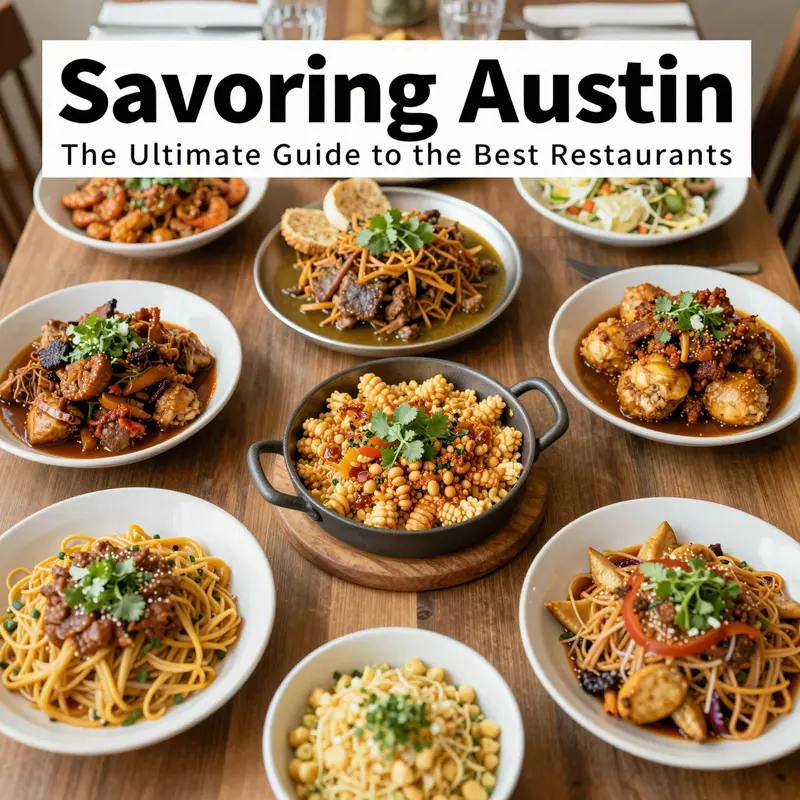
Austin’s dining scene unfolds like a map where every neighborhood offers a doorway to another world, yet all doors open onto the same shared table: a city that treats food as a language, a story, and a celebration all at once. The chatter in the streets, the long lines outside beloved smokehouses, and the whisper of spices carried on warm Texas air all point to a culinary landscape that has learned to welcome variety without sacrificing depth. Here, the top-tier barbecue joints sit side by side with tasting menus that feel like private conversations between chef and guest, and around them, a constellation of ethnic eateries adds color and texture to the city’s overall flavor profile. The best restaurants in Austin aren’t just about great technique or bold ideas; they’re about how a place lets culture breathe through a kitchen, how a plate can carry memory, and how a dining room can feel like a communal living room where strangers become neighbors through shared curiosity and good food. In this chapter, we wander through those diverse corners, tracing how Afghan, Ethiopian, Persian, Indian, and other global traditions have found receptive homes in a city known for sunscreen, live music, and endless optimism, and how each establishment contributes to the larger narrative of Austin’s culinary identity.
Among the ethnic highlights that consistently draw attention in 2026 is Afghan cuisine, a cuisine known for its fragrant stews, lamb kabobs, and mantu—the delicate dumplings that seem to fuse comfort and craft in every bite. In Austin, Afghan kitchens have earned top spots on local rankings because they pair generous hospitality with a meticulous respect for technique. The aromas that greet you—cardamom, coriander, dried lime, and a whisper of saffron—signal not just a meal but a storytelling session in a warm, unpretentious space. Diners encounter slow-cooked textures that melt into the palate, skewers glazed with a balance of smoke and brightness, and stews that coax out the sweetness of roasted onions and well-seasoned meats. What makes them memorable isn’t only the flavor; it’s the patient pacing of the dining experience, the way utensils and bread come to the table almost as an invitation to linger, and the sense that every bowl or platter carries a personal touch from the cook’s family history. The effect is not unlike a conversation that travels across continents and lands in a friend’s kitchen—familiar enough to comfort, adventurous enough to spark curiosity.
Taste of Ethiopia is another current that runs through Austin’s culinary stream, offering injera—the spongy, sour flatbread—alongside lagers of wats, all made to be shared in a round, family-like setting. The experience is communal by design, inviting diners to break bread together and use the injera as both utensil and vessel for richly layered stews. Ethiopian cooking relies on a careful balance of heat and aroma, with berbere spice providing warmth that lingers on the tongue and in memory. In a city where speed often defines dining culture, Ethiopian restaurants remind guests of the value of patience and conversation. The flavors are bold, but the hospitality is the real garnish: hosts who remember regulars, servers who explain the origin of a particular spice, and a sense that every plate is part of a larger tradition that welcomes newcomers to participate rather than merely observe. The result is a dining ritual that feels both ancient and instantly relevant, a reminder that the healthiest culinary ecosystems blend heritage with experimentation.
Cas taming the edge of the globe in Austin is the Caspian Grill, where Persian influences meet modern presentation in a way that respects tradition while inviting contemporary sensibilities. Signature kebabs and saffron rice become vehicles for storytelling, each bite offering a note of nostalgia while still sounding fresh on the modern dining palate. The dishes here are elegant without being formal, carefully composed yet accessible enough to spark curiosity in first-time guests. This balance reflects a city where culinary confidence has grown alongside a population increasingly comfortable with cross-cultural dialogue. Similarly, USTA KABABGY brings the vibrancy of Indian subcontinent flavors to the table with generous portions and spice-forward profiles that honor regional diversity. Raita, chutneys, and a mosaic of masalas accompany grilled meats, creating a dining rhythm that invites slow savoring as much as bold tasting. In this way, these kitchens become bridges—between continents, between generations, and between the idea of a traditional menu and the prospect of a modern, inclusive culinary scene.
The dining tapestry wouldn’t be complete without noting restaurants that demonstrate how local farmers, foragers, and artisans drive seasonal innovation. Odd Duck, for example, has built a reputation on ingredients sourced in alignment with the region’s growing cycles, resulting in a tasting approach that feels almost like culinary theater. The menus shimmer with textures and contrasts, a reminder that Austin’s top spots are often defined by how they translate local abundance into globally resonant dishes. The city’s bar and wine programs further deepen the experience, turning meals into balanced journeys rather than simple conclusions. And then there are establishments that blend comfort and sophistication so seamlessly that a casual brunch can feel like a thoughtful evening, a property you find in Moonshine Grill or Postino alike. It’s this blend—high-quality technique, soulful flavors, and a sense of place—that makes the best restaurants in Austin more than destinations; they are gateways to feeling, to belonging, and to a shared appetite for discovery.
If you want to journey beyond the familiar, you can trace a thread through a single table and still taste the world. A small, almost unassuming detail—the way bread is torn rather than cut, the tempo of a server’s explanations, the moment when a pot of spices is unveiled at the table—tells you everything about how Austin treats its diverse culinary offerings. These experiences echo the city’s larger ethos: a willingness to learn, to share, and to celebrate difference as a core strength. In practice, that means authenticity is prized not as a static badge but as a living practice—an ongoing conversation about what a dish should be, who it belongs to, and how it can be adapted without losing its soul. It is in this spirit that a visitor can explore an Afghan kitchen one night, discover Ethiopian warmth the next, and still find a common thread—an insistence on hospitality, a respect for ingredients, and a joy in community dining—that ties everything back to the essence of Austin’s best restaurants.
For readers who want to explore more than one flavor tradition in a single day, a practical approach is to pace your visit like a tasting itinerary. Allow time for each course, let your palate reset between different spice families, and don’t rush the conversation with your server about a dish’s origin or preparation. In this city, the best meals emerge not from a single extraordinary plate but from the way a table glides through a spectrum of textures and cultures, accumulating memories with each course. If you’re curious to see how these flavors are presented in contexts that honor heritage while embracing contemporary dining norms, you can also explore related regional styles that have found welcoming homes in Austin, such as a nearby approach to Oaxacan cuisine that emphasizes masa-based dishes and complex moles. For a deeper look, you can visit an Oaxacan kitchen spotlight here: Oaxacan restaurant. The city’s ability to weave a global pantry into its own story makes each meal feel like a conversation you want to continue long after the check is settled.
Ultimately, what characterizes Austin’s diverse dining landscape is not just the number of options, but the quality of the shared experience. The best restaurants function as ambassadors of culture, educators in spice and technique, and hosts who invite you to participate in a broader culinary narrative. They remind us that great food is never just about taste in isolation; it is about memory forged at the table, about the people who welcome you into their kitchen and the places you can go next time to learn a little more. In a city that thrives on novelty and community, these eateries stand as evidence that diversity, when led by craft and care, is not an obstacle to excellence but its freshest catalyst. For anyone gathering a sense of Austin’s culinary compass, a careful stroll through these diverse kitchens offers not only flavors to savor but a window into a city that believes food is a universal language spoken with boldness, curiosity, and an open door.
External reference for broader context on ethnic dining in Austin: Yelp list of Top 10 Best Ethnic Restaurants in Austin, TX (Updated 2026)
Moments and Menus in Austin: Navigating the City’s Best Restaurants for Every Occasion
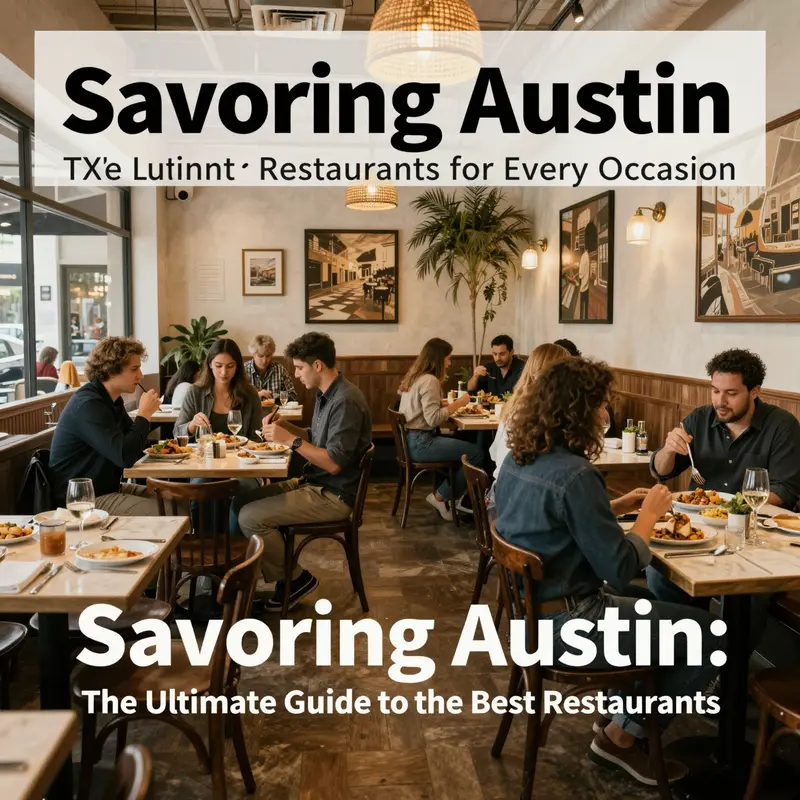
Austin’s dining scene functions like a carefully choreographed street festival, where each neighborhood offers a different flavor, a different mood, and a different invitation to gather. It is a city that wears barbecue on its sleeve and sushi on its mind, where food trucks line the curb with a wink, and a refined dining room can feel just as welcoming as a late-night taco joint. The breadth is part of the draw: from iconic barbecue joints that smell of smoke and memory to modern tasting rooms where chefs sketch new maps with seasonal produce. The city’s top restaurants, as reflected in current recommendations and the lived experience of locals, form a tapestry that caters to every moment of life. You might begin a day of errands with a breakfast biscuit that somehow tastes like Sunday comfort, then pivot to a high-stakes business dinner, and finally end the night with a glass of wine and a plate of something surprising. The best Austin has to offer does not demand that you choose one path; it invites you to explore many paths and to trust that each one carries its own noise, its own flavor, and its own sense of place.
Across this spectrum, certain names anchor the city’s identity even as other venues push the boundaries of what dining can feel like. Franklin Barbecue remains a myth in practice—the slow smoke, the patient line, the brisket that seems to exist in two states at once: tender and toothsome. Terry Black’s Barbecue sits alongside it, offering a slightly different kind of smoke kiss, a reminder that even within a beloved discipline, there are techniques and spice blends that produce a distinct memory with every bite. Moonshine Grill, Aba, Roya, and Odd Duck each contribute a distinct voice to the conversation: Moonshine’s American comfort with a wink, Aba’s modern Middle Eastern respect for spice and balance, Roya’s regal Persian-inflected dishes, and Odd Duck’s seasonally driven experimentation that makes a tasting menu feel like a dialogue with the land. These are not simply places to eat; they are destinations that shape the city’s sense of what a meal can mean. And then there are places that anchor the more casual, communal side of Austin: Cypress Grill presents a refined but approachable American–Cajun blend, Postino offers a relaxed setting for wine and small plates, Bird Bird Biscuit gives the morning a soft, comforting kick, and Discada invites a return to the core of Mexican-inspired cooking with a fresh, market-driven lens. The city’s diversity is not merely about cuisine; it’s about time saved or treasured, whether you are catching a quick bite before a show or lingering over a long conversation about a shared plate and a memory yet to be made.
The chapter that follows this introduction is not a simple parade of the city’s most famous tables. It is a map of moments—the dinner for two that demands elegance, the celebratory gathering that needs room to breathe, the casual evening that wants something bold but approachable, and the brunch that feels like a small festival of flavors. In this sense, the city’s best restaurants are not only places to eat; they are settings for life’s observed continuities—the way a family reunion might pivot around a simmering pot of gumbo, or a couple discovers a date night worth remembering at a counter where a chef’s knife glints in a line of light. To speak of Austin’s best is not just to list top-rated spots, but to acknowledge how each choice fits a mood, a company, and a moment in time.
Within this expansive frame, the curated guidance for specific occasions helps illuminate how to pair the right venue with what you want to celebrate or simply endure. For a sophisticated dinner, you may seek a room that feels almost ceremonial—where the service is precise, the wine list is generous, and the kitchen treats seafood and shellfish with the discipline that a winter’s night demands. Truluck’s Ocean’s Finest Seafood & Crab emerges as that kind of anchor, a destination where the dining room’s elegance is matched by the freshness of the ingredients. A meticulous kitchen can elevate a birthday, an anniversary, or a long-overdue reunion into something more than a meal; it becomes a ceremony of savoring and attention. And when the goal is a classic steakhouse night, the city offers Eddie V’s Prime Seafood: a setting where prime cuts meet a refined seafood complement, where the age of a bottle and the depth of a glass become part of the evening’s arc. The room’s quiet energy supports conversation and celebration alike, making it a reliable partner for milestones, formal gatherings, or simply the desire to invest in a moment that feels unusually well-spent.
Yet Austin also teaches a different kind of dining lesson: the art of balance, the ease of a night that feels special without trying too hard. For that balance, Uchi Austin provides a benchmark for casual-impressive dining. Its Japanese-inspired tasting approach blends traditional technique with contemporary whimsy, allowing friends, colleagues, or partners to share a sequence of small courses that surprise and comfort in equal measure. The atmosphere straddles comfort and sophistication, a reminder that exceptional food does not demand stiff formality but rather a mood of curiosity and ease. Brunch, too, can be a form of celebration, and in that arena Another Broken Egg has carved a cheerful, generous niche. Its bright space and robust plates transform a late morning into a social ritual, a chance to linger over the fantasy of weekend abundance without sacrificing quality. It is not merely about calories; it is about the way a morning light spills across a table, the sound of chatter, and the sense that time can be softened by warmth and well-made food.
When you crave something different yet equally compelling, the city’s fusion-forward and street-food sensibilities offer a complementary thrill. Koriente, opened in 2022, signals Austin’s ongoing enthusiasm for bold flavor hybrids. A modern Asian concept that threads Japanese, Korean, and Southeast Asian influences into a single menu, Koriente invites a dining experience that feels like a conversation with the city’s global present. Its stylish interior is a stage for a dramatic crayfish of flavors and textures—a reminder that the best meals often come from the willingness to mix and to listen to ingredients in new ways. And if the evening leans toward a dose of comfort with a moral backbone of speed and soul, Gus’s World Famous Fried Chicken stands as a reminder that good things can arrive with a satisfying crunch and a warm heart. The 4.5-plus rating across thousands of reviews is a chorus about texture and memory: the crispy skin, the tender meat, the inimitable comfort of a side that seems to cradle the main in a quiet embrace.
To keep the pace lively and the palate adventurous, the city’s iconic food-truck culture deserves a nod. Torchy’s Tacos embodies the city’s fearless approach to flavor, turning classic Mexican-inspired street food into something distinctly Austin and unmistakably bold. It’s the kind of stop that colors a night out with friends, a quick but unforgettable bite between shows or galleries, and a reminder that some of the city’s best meals happen on wheels, under strings of light, with the city’s soundtrack in the background. For evenings that unfold as a more intimate, low-key bassline, Honey Moon Spirit Lounge offers a refined yet warm environment where American fusion fare mingles with craft cocktails. It’s a place to unwind, to reconnect, and to enjoy small plates that feel thoughtful without demanding a performance. Each dish arrives with a story—about seasonality, about technique, about the craft of a kitchen that has learned how to marry precision with hospitality.
The throughline of these experiences is not simply the quality of the food, though that alone would justify a night out. It is the sense that Austin’s best restaurants have built a shared vocabulary for any moment you choose to mark. You can celebrate a major life event with a room that glows with understated luxury, or you can gather with friends around a counter where a chef answers questions between courses. You can find a quick, delicious bite that still feels intentional, or you can plan a day that threads coffee, music, galleries, and dinner into a seamless arc. In this city, the best restaurants are less about proclaiming grandeur than about inviting participation—inviting you to be part of a conversation in which ingredients, technique, service, and atmosphere all listen to one another. And while the list above offers a curated sense of the possibilities, the living cuisine of Austin keeps expanding, inviting new nights to be written in plates, spices, and smiles. For travelers and locals alike, the goal remains the same: to discover places where a meal can become a memory, where the moment itself is as flavorful as the dish on the plate.
For real-time updates on menus, reservations, and customer reviews, visit Yelp’s Austin Restaurant Guide.
Final thoughts
Austin’s culinary landscape is as vibrant as its music scene, offering a rich tapestry of flavors and experiences. From the smoky allure of barbecue to the nuanced tastes of international cuisine, the city presents a plethora of choices for dining. Whether you’re hosting business clients or celebrating milestones, these top-rated restaurants embody the essence of Austin and are essential destinations to impress and indulge. As you explore the culinary options available, remember to savor not just the food, but the unique cultural backdrop that each restaurant represents.