
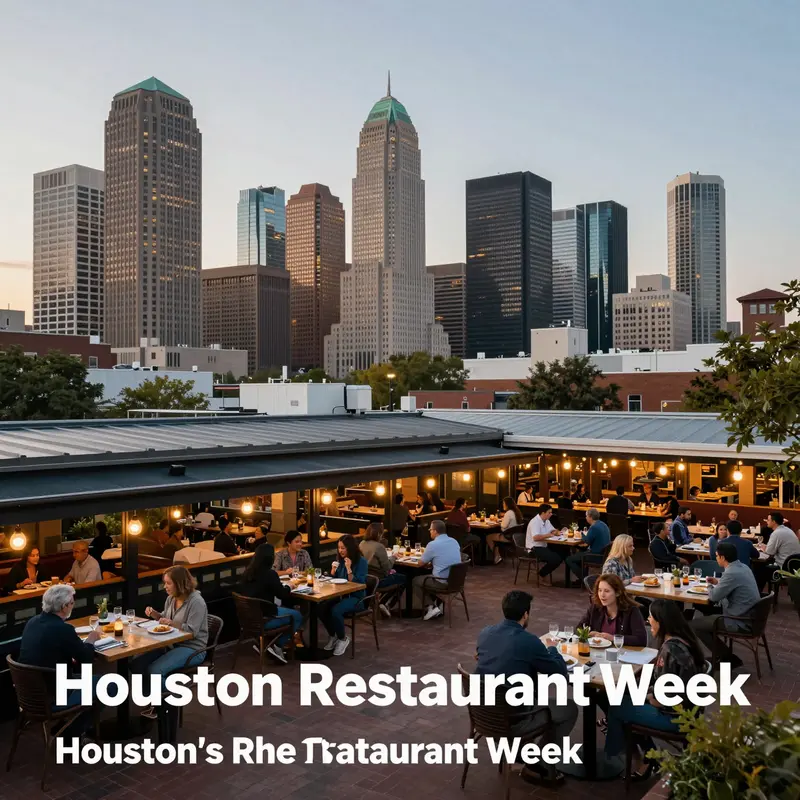
Houston Restaurant Week is not just an extravagant culinary event; it represents a significant opportunity for local restaurant owners to elevate their business while contributing to a noble cause. This 36-day gastronomic fiesta, occurring from August 1 to September 5 in 2026, allows diners to sample the best of Houston’s culinary scene at accessible prices. This article explores the multifaceted nature of Houston Restaurant Week, detailing its structure, the involved restaurants and menus, its economic implications for the local food scene, and its charity-driven focus. Each chapter connects the dots between this event and the benefits it brings to participating businesses and the community at large, making it a topic worth diving into for every local restaurateur.
Houston Restaurant Week: A Citywide Table for Flavor, Value, and Giving
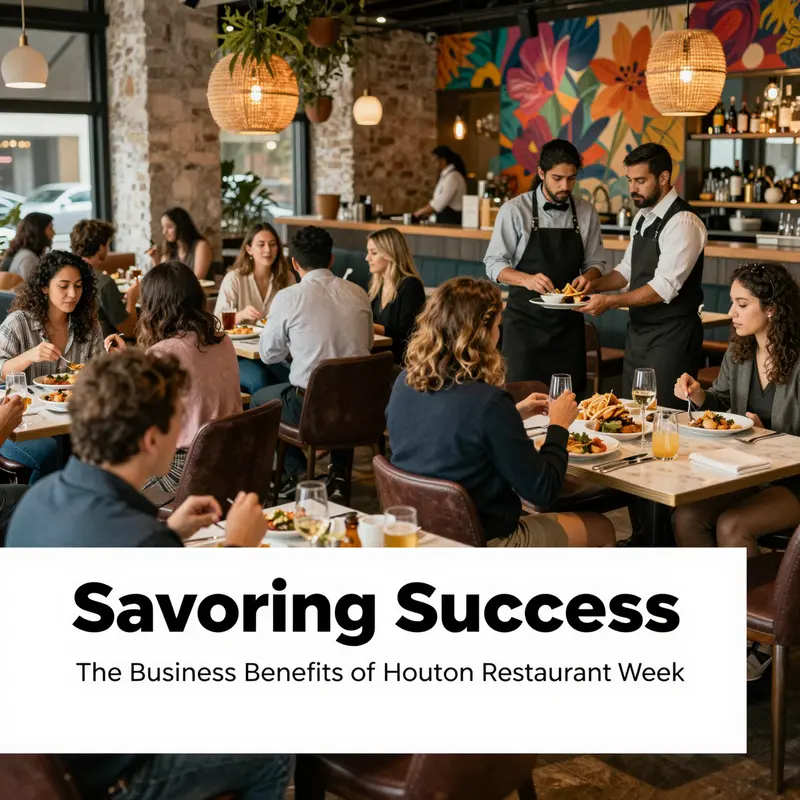
Houston Restaurant Week unfolds each year as a citywide culinary celebration, a carefully orchestrated window in which the city’s diverse dining scene opens its doors to a broad audience. In 2026 the event spans 36 days, running from August 1 through September 5, aligning with the late-summer pulse of life in Houston. Nearly 250 restaurants join the celebration, a range that stretches from refined neighborhood spots to bustling casual joints. The objective is simple and ambitious at once: invite residents and visitors to taste the city’s best cooking at a value that makes it easier to explore more than one concept, while supporting the hospitality economy during a season that can be challenging for some venues. The charitable thread is distinctive. The event is organized by a nonprofit foundation founded by Cleverley Stone, and for every participating menu sold, a donation goes to the Houston Food Bank, typically between two and six dollars per meal, depending on the tier. This link between dining and giving translates appetites into meals for neighbors in need, turning a night out into a local impact story. Over the years, the program has become a fixture in Houston’s civic calendar, a seasonal reminder that food can bind and uplift a community as much as it can delight the senses.
Restaurants participate by designing curated, prix-fixe menus that showcase a chef’s vision within a fixed price. The lunch or brunch option often presents two courses for twenty-five dollars, a format chosen to encourage experimentation without a large upfront commitment. Dinner offerings, by contrast, present three or four courses at a higher fixed price, typically thirty-nine or fifty-five dollars, sometimes with optional extras such as wine pairings or dessert upgrades. This structure creates a panoramic tasting moment: diners can plan a single evening around multiple textures, techniques, and inspirations, or string together a sequence of visits across neighborhoods to map the city’s flavors. The menu variety mirrors Houston’s multicultural identity, with styles ranging from spice-forward traditions to modern interpretations of comfort food, from bright, citrus-driven plates to deeply savory, slow-cooked creations. For many participants, the week becomes a practical atlas of where to eat next, a way to discover a new concept, a chef’s signature, or a long-standing favorite in a new light.
Yet the experience is not without critique. A handful of diners note inconsistencies—perhaps a salad that lacks crunch, or a steak that arrives closer to warm than hot, or a dish that skews heavier than the kitchen intended. These comments are not universal, and most menus inspire conversation and satisfaction across the table. Standout moments tend to come from restaurants that treat the prix-fixe as a canvas rather than a limit: delicate preparations that reveal technique, bold flavors that reflect a chef’s personal story, or textures that surprise and delight. In aggregate, the week’s reviews sketch a landscape of highs and occasional misses, but they also underscore the season’s larger purpose: to amplify local talent, to draw diners into the diversity of Houston’s culinary ecosystem, and to anchor the city’s public-minded spirit in a shared, delicious experience.
For those planning a visit, prebooking is strongly advised. Reservations through the official platform reduce wait times, help diners choose the best time slots, and ensure access to the most in-demand venues. The menus are dynamic, refreshed as restaurants adapt to inventory, kitchen rhythm, and guest feedback, making each year a new conversation about what the city can produce on a fixed-price format. Dining during restaurant week becomes more than a meal; it becomes a guided tour through a city’s gastronomic landscape, a chance to compare a modern, globally influenced kitchen with a neighborhood favorite that relies on time-honored techniques and local ingredients. The act of dining with intention—sampling across cuisines, steering toward places that push culinary boundaries, and supporting the charitable mission—transforms a personal indulgence into a shared benefit for the wider community. If readers are curious about where to begin, they can consider a quick browse through neighborhood spots with varied personalities, using a single map as a compass rather than a shopping list. For example, you can explore a local, neighborhood-focused stop represented in citywide conversations via the internal link el-canelo-restaurant, a reminder that a single page on the city’s diverse food scene can inspire a broader itinerary.
As the month unfolds, it becomes clear that Houston Restaurant Week is more than a dining event. It is a social instrument that aligns gastronomy with generosity, inviting people to widen their palates and their networks at the same time. It encourages collaborations between chefs, purveyors, servers, and guests, and it provides a predictable influx of activity that supports staff and suppliers who sustain the region’s food economy year-round. The long arc of the program points to a lasting effect: a strengthened sense of community around meals, a greater willingness to explore unfamiliar cuisines, and an ongoing conversation about hunger relief that is anchored in festive, shared experiences. For readers who want to learn more or participate, the official site is the best starting point, offering menus, participating locations, and reservation links. The city’s appetite for discovery and giving remains the event’s enduring signature, a reminder that a city’s table can be both a mirror of its diversity and a catalyst for its generosity.
External resource: https://houstonrestaurantweek.com/
Houston Restaurant Week: Savoring Houston’s Dishes, Discoveries, and a Citywide Cause
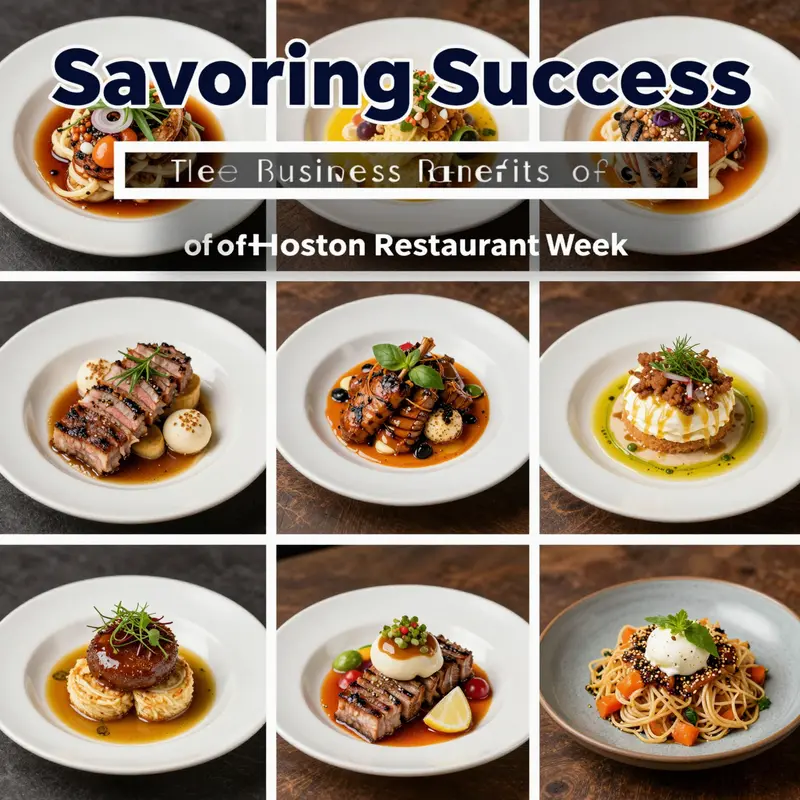
Houston Restaurant Week unfolds each year as a citywide culinary celebration, a deliberate convergence of taste, discovery, and civic generosity. In 2026, the event stretched over a remarkable 36 days, from August 1 to September 5, a span designed to give diners ample time to plan meals around work, family, or a spontaneous bite of something new. The city’s dining map expands to include roughly 250 participating restaurants, a breadth that invites both longtime favorites and fresh faces to share a single aim: to let Houstonians experience a wide spectrum of flavors at a compelling value while contributing to a meaningful cause. The scope is not merely about menus and prices; it is about how a vibrant urban food scene can mobilize generosity as part of everyday life. At the heart of this effort is a nonprofit structure that threads charitable intent into each reservation, ensuring that indulgence becomes a conduit for assistance to those in need. The guiding force is the Cleverley Stone Foundation, a nonprofit established in 2003 by a media figure and philanthropist who envisioned a practical mechanism to tackle local food insecurity. Each purchase of a participating restaurant’s special menu triggers a donation to the Houston Food Bank, ranging from $2 to $6 per meal—an arrangement that translates dining choices into direct impact. Over the years, the foundation has raised more than $17.6 million and provided upwards of 52.8 million meals to people facing hunger. These figures illuminate the event’s dual nature: a celebration of Houston’s culinary talent and a sustained community service with measurable reach. The menus themselves are crafted to appeal to varied appetites and schedules. For lunch or brunch, diners typically encounter a two-course offering priced at $25, while dinners present more elaborate experiences at $39 or $55 for three or four courses. This structure lowers the barrier to trying multiple dishes across the city, encouraging both adventurous and comfort-oriented dining. The range of cuisines reflected in the lineup mirrors Houston’s diverse food culture, from classic American fare to modern, globally influenced concepts. A notable highlight in participants’ discussions is the way some venues elevate the dining experience with artful plating and bold flavor combinations. For instance, a modern Indian concept in a central shopping district might present a meticulously composed starter and a delicate dessert, while a Latin-inspired steakhouse in a landmark hotel might pair bright citrus accents in ceviche with the warmth of pan-roasted meats. The event’s inclusivity also brings attention to newcomers alongside established names. First-time participants added fresh energy to the mix, expanding the palette available to diners and offering new grounds for neighborhood exploration. Restaurant entries such as Acme Oyster House, Daily Gather, MAD Houston, and Rosalie demonstrate a deliberate effort to broaden the horizons of the city’s dining map, inviting guests to consider neighborhoods they might not typically explore on a weeknight. Yet the experience is not uniformly perfect. A few diners reported inconsistencies, such as salads that felt less fresh or steaks that did not meet expected doneness. These nits, while real for some patrons, underscore the inherent variability of a citywide menu program that poisons no one to the same recipe, cook, or timing across dozens of kitchens. Nevertheless, the overall sentiment remains positive: the value is considerable, the range is wide, and the cause is tangible. The opportunity to sample a spectrum of dishes at a fixed price, all while contributing to the Houston Food Bank, creates a compelling incentive to participate—the kind of incentive that transforms a meal into a small civic gesture with a tangible ripple effect. For those who want to plan thoughtfully, securing a reservation through the official platform is highly recommended to avoid lines and ensure access to preferred time slots. The official website provides the complete list of participating restaurants, detailed menus, and reservation options, along with event dates and any last-minute updates. In many ways, Houston Restaurant Week encourages a slower, more intentional approach to dining: a chance to map a personal culinary route through neighborhoods, to compare interpretations of similar ingredients, and to reflect on how a city’s cuisine can be a shared language across communities. The narrative of the week extends beyond taste; it tells a story about how local gastronomy can serve a social mission, how a city can leverage its appetites to uplift neighbors, and how diners participate in a larger ecosystem of goodwill while exploring what’s new and exciting on the plate. As you chart your own itinerary, you may also encounter adjacent conversations about the city’s evolving dining landscape, including how venues reimagine menus within a fixed-price framework and how guests respond to bold contrasts in style and technique. For readers curious about broader culinary conversations and comparative dining scenes, you might explore related discussions about top regional eateries in other cities, such as the piece on Best restaurants in Pittsburgh. This connection can offer a lens on how different urban dining cultures balance innovation, value, and community impact. To explore a broader menu of options and neighborhood gems, consider browsing related restaurant discussions like Best restaurants in Pittsburgh. For official information, dates, and menus, the Houston Restaurant Week site remains the definitive resource: https://www.houstonrestaurantweek.com. The alignment of taste, discovery, and giving back makes this event more than a dining festival; it is a citywide invitation to explore Houston’s culinary diversity while supporting a vital local charity, one memorable plate at a time.
Stirring the Local Economy: How Houston Restaurant Week Recasts Dining into a Citywide Economic Pulse
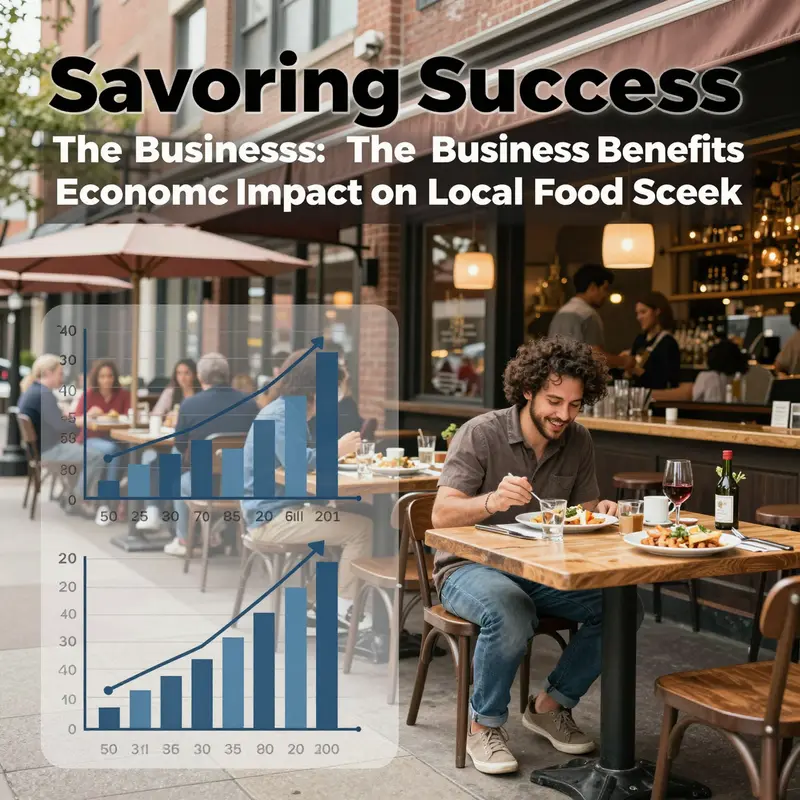
Houston Restaurant Week is a city wide initiative that connects dining with local commerce. During a defined window hundreds of restaurants offer fixed price menus that invite new customers to try familiar places. This pairing of dining and shopping stimulates consistent business, creative menus, and community engagement.
From the local economy perspective HRW acts as a catalyst for culinary tourism and small business growth. Visitors and residents alike explore neighborhoods they may not normally visit. The rise in foot traffic and ticket totals helps restaurants plan better, manage inventory, and reduce waste.
The structure of HRW is designed to balance affordability with quality. Lunch or brunch options are offered at inviting prices, while dinner menus provide a longer tasting experience. This tiered approach expands the audience while preserving the sense of occasion.
A philanthropic element exists through partner foundations and charitable campaigns that support local food programs. This adds social value to the dining experience and increases community buy in.
Politically and economically the program shapes how neighborhoods grow. It supports suppliers, farmers, and beverage producers and helps sustain jobs. It also contributes to the city brand as a place where good food and civic action go hand in hand.
Looking ahead HRW continues to refine its outreach, promote local producers, and expand access while maintaining financial viability for operators.
Feasting with Purpose: The Charity-Driven Pulse of Houston Restaurant Week
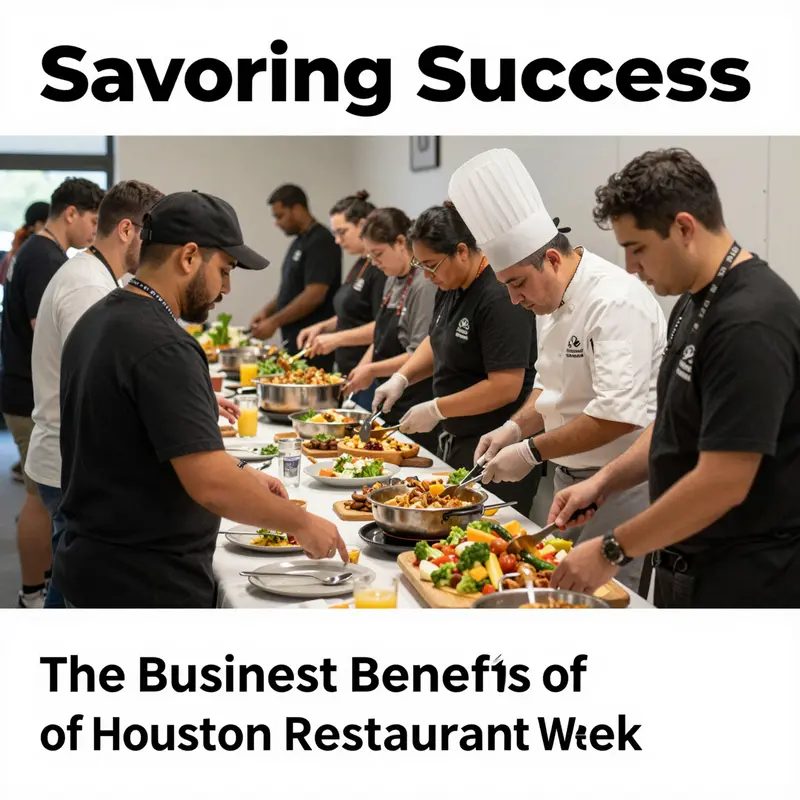
HRW is more than a festival of flavors; it is a living model of how dining can nourish a city. Over 36 days, from August 1 to September 5, hundreds of kitchens open their doors to the public, inviting guests to explore the breadth of Houston’s culinary scene at prices that invite a wider audience. This year the roster sits around 250 participating restaurants, a spread that stretches from familiar comfort dishes to innovative, global flavors. The menus are deliberately structured to be accessible: lunch or brunch at 25 dollars for two courses, and dinner at 39 or 55 dollars for three or four courses. The arrangement translates taste into generosity, because every participating restaurant commits to donating a portion of the proceeds to the Houston Food Bank.
In this sense, HRW doubles as a civic ritual. The event is steered by the Cleverley Stone Foundation, a nonprofit that emerged from a chorus of local voices who believed food could be a bridge in times of need. Since its inception in 2003, the foundation has raised more than 17.6 million dollars and provided more than 52.8 million meals. These numbers are not just tallies; they reflect a steady stream of meals reaching families facing hardship, seniors on fixed incomes, and children who depend on reliable access to nutritious food. The act of dining becomes a discreet form of social investment, a way for individuals to participate in something larger than their own plate.
Patrons discover a spectrum of dining experiences during HRW. Some dishes are designed to surprise, others to comfort, and many to highlight a chef’s particular lineage or sensibility. A modern Indian restaurant in the Galleria area might present artful starters and delicate desserts that nod to centuries of spice and craft. In the heart of downtown, a Latin-inspired steakhouse could feature bright citrus accents and bold, sun-warmed flavors that pair with seasonal vegetables and starches prepared with modern technique. A chic French-inspired bistro in a leafy neighborhood could offer rustic, flavorful plates that emphasize technique and balance. The variety showcases how a city’s palate can be both adventurous and discerning, a trait Houston people pride themselves on, especially when a charitable aim frames the tasting.
Even as the restaurants shine, the experience brings its own set of nuances. Some guests note that a few dishes fall short of expectations—salads a touch less crisp than imagined, or a steak slightly off its ideal sear. Yet other plates leave a lasting impression: a very large, pristine piece of sashimi, a shrimp salad with a ring of perfectly seasoned shrimp, or a pasta component that delivers surprise texture and aroma. These moments, rather than uniform perfection, tend to define HRW for many diners: a mosaic of hits, with occasional misses, all underscored by the purpose of giving back. It’s easy to overlook the underlying logistics, but they matter as much as the flavors. Chefs and front-of-house teams recalibrate quickly, treating feedback as a push toward greater consistency while still honoring the menu’s intent.
The city’s appetite for discovery also fuels a broader dynamic. HRW invites first-time participants to bring new energy into the scene, expanding the universe of flavors Houstonians can sample. It broadens the listening surface for cooks, farmers, and beverage directors, who see in this extended dining window a chance to cultivate regulars and to tell a story about place through plate. For a glimpse into how a local kitchen can anchor a broader culinary conversation while staying connected to community needs, readers may explore local restaurant profiles such as el-canelo-restaurant. This kind of cross-pollination—between a city’s appetite for novelty and its obligation to help others—defines HRW as more than a commercialization of taste. It becomes a season of collaboration, education, and shared pride, a period when dining out feels like contributing to a map of resilience.
To plan a visit, participants are encouraged to consult the official HRW platform for the complete roster and menus. The site serves as a navigational hub, guiding guests to reservations and to the particular menus that align with their cravings and schedules. The list is dynamic, reflecting the participation of new venues alongside longtime favorites, and it underscores the event’s commitment to accessibility and inclusion. The effect is not merely the spread of restaurants; it is the expansion of a civic habit: the practice of dining out as philanthropy, a city-wide chorus that raises both appetite and awareness.
External resource: https://houstonrestaurantweeks.com/
Final thoughts
In summary, Houston Restaurant Week stands as a beacon of opportunity for local businesses, providing not only exposure and potential growth but also fostering a sense of community through charity. By participating in this vibrant event, restaurateurs can benefit from increased foot traffic, demonstrate their culinary talents, and contribute to charitable causes that support the community. As the culinary landscape continues to evolve, events like Houston Restaurant Week highlight the importance of integration between business success and community welfare.