
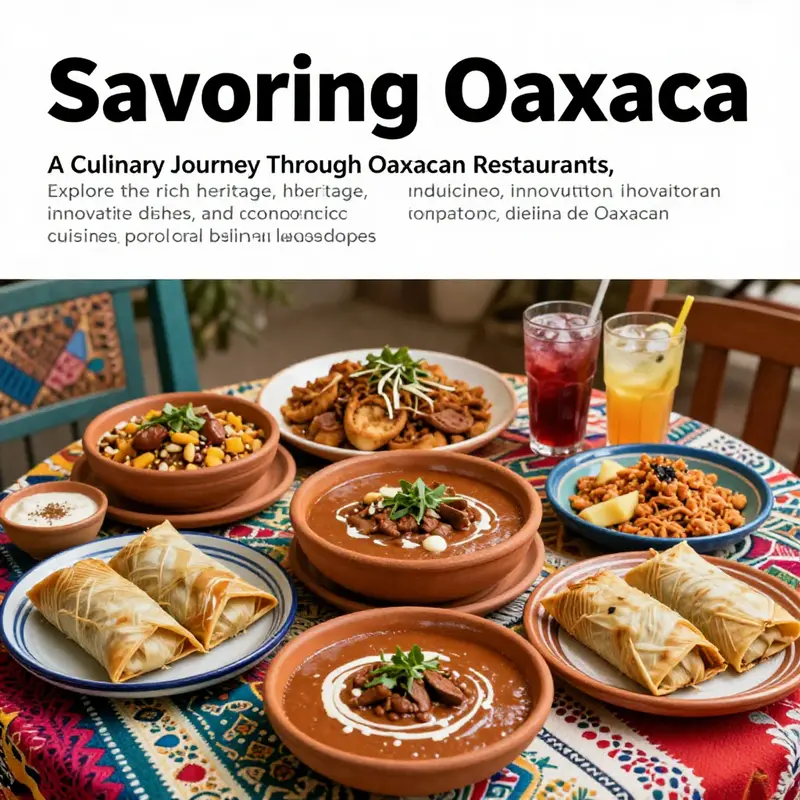
Oaxacan restaurants not only celebrate a rich culinary heritage but also serve as a vibrant part of Mexico’s cultural identity. From their traditional roots to modern innovation, these establishments exemplify the art of cooking with unique flavors and techniques that highlight local ingredients. This article will explore the deep roots of Oaxacan restaurant culture, delve into the innovative dishes that breathe new life into ancient recipes, spotlight popular establishments and their signature offerings, and examine how these restaurants influence the economic landscape of their communities. By understanding these aspects, business owners can appreciate the significance of supporting Oaxacan cuisine and its role in the broader gastronomic world.
Tlayuda Traditions and the Living Heritage of Oaxaca’s Restaurant Scene
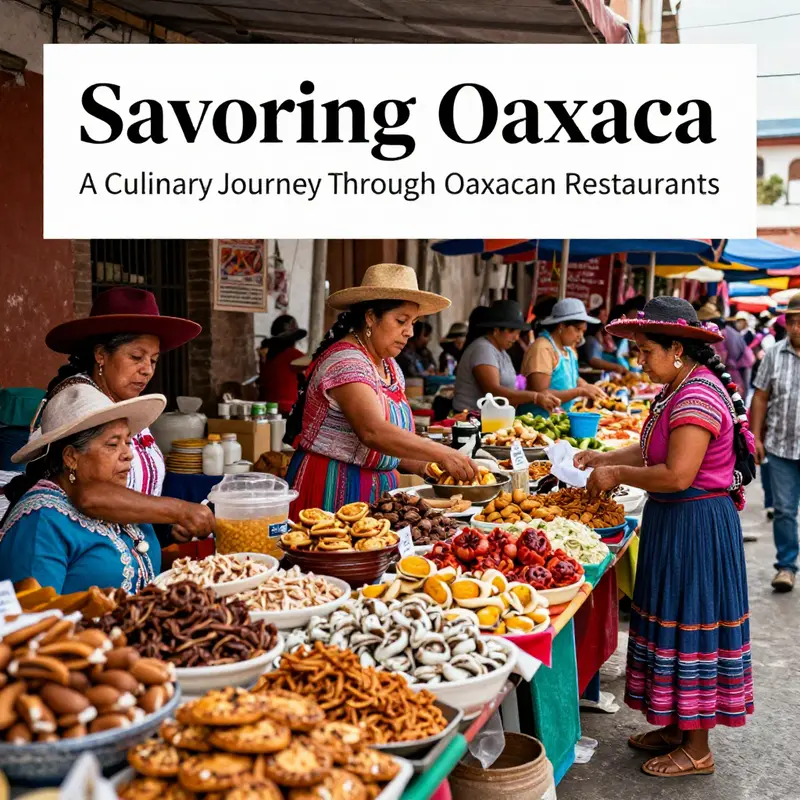
In Oaxaca, a city where sunsets fall behind cathedral towers and mercados breathe with the chatter of vendors, restaurants are not mere places to eat. They are living archives, repositories of memory, technique, and shared ritual. The cuisine grows from deep Indigenous roots, layered with centuries of exchange, migration, and adaptation. To wander from a street stall to a lacquered dining room in the heart of the city is to travel through time as much as through flavor. The air is thick with smoke from wood-fired comals, with the scent of roasted chiles, corn that has traveled from field to table through hands that know the language of nixtamal, and with the quiet insistence that cooking here is not simply an act of nourishment but a dialogue with ancestors and neighbors alike. The food speaks in a dialect of maize, lime, cacao, and herbaceous brightness, and every restaurant entryway offers a doorway to a broader story about community, craft, and care for the land that feeds it.\n\nOne can observe this living tradition most clearly in the way the region treats its corn—a staple so central that the word for flour in common cooking terms often doubles as a memory of the grain’s ancient journey from dried kernels to supple masa. The large, thin tortilla of the region, which many locals recognize as an emblem of shared meals, becomes a canvas for simple beans, fresh greens, a drizzle of avocado, and a corn-silk sheen of cheese. These components are not commodified add-ons but signaling beads in a necklace of taste that honors nixtamalization and hand-worked refried beans, whose aroma carries notes of epazote and the soil where they were grown. The result is more than sustenance; it is a statement about continuity. Even late into the night, markets and roadside stalls transform into communal kitchens, where locals gather, swap news, and pass along techniques as if they were recipes for keeping a culture resilient. Each bite is a thread in a larger fabric that binds generations and neighborhoods, a reminder that culinary practice here is a form of storytelling that travels from grandmother to grandchild, and then to new visitors who stay to listen and learn.\n\nTo encounter Oaxaca’s culinary heritage is to encounter a system designed for preservation as well as innovation. A notable center of this ongoing project sits inside a century-and-a-half-old convent turned public laboratory for gastronomy. The building, restored with respect for its masonry and lime plaster, houses classrooms, a public library, a kitchen laboratory, a tasting room, galleries, and event spaces. The design deliberately uses traditional materials—lime, brick, wood, cantera stone—so that modern learning sits comfortably on a foundation of history rather than on a mere surface gloss. The space functions as a living laboratory where students, cooks, historians, and policymakers collide in the best possible way: through tasting and dialogue. It is not a museum but a workshop where the past informs the present while the future remains open to experimentation. The goal is to keep knowledge accessible, to invite new hands into the studio of flavors, and to ensure that culinary pedagogy expands beyond the classroom into markets, street corners, and kitchens across the city. In this sense, the center acts as a civic beacon, translating intangible heritage into tangible practice, so that a recipe’s lineage—its sourcing of corn, its choice of chilies, its method of slow simmering—remains legible to anyone who seeks to learn.\n\nPhilanthropy figures prominently in this ongoing effort as well. A small but influential circle of donors—rooted in the region and connected to broader cultural philanthropy—has funded and guided a growing network of cultural institutions. Their work emphasizes public access to culinary knowledge, the aesthetic value of traditional dishes reimagined for contemporary palates, and more efficient, transparent operations that broaden the reach of gastronomic education. The result is not a single trophies-and-restaurant narrative but a broader ecosystem in which the kitchen, the pantry, and the classroom exist in a single continuum. Within this ecosystem, female cooks, instructors, and community organizers from Oaxaca and neighboring states are recognized for their roles in sustaining difficult, time-honored techniques while also pushing for new forms of expression. They mobilize recipes as intangible cultural assets, nurtured through apprenticeship, community exchange, and the storytelling that accompanies every dish. The story of Oaxaca’s restaurants thus becomes not only a chronicle of tastes but a chronicle of identity, resilience, and collective memory, renewed with each tableside conversation and each new harvest.\n\nAgainst this backdrop, contemporary dining in the city has begun to balance reverence with invention. A new generation of chefs and restaurateurs—cautious about preserving core processes yet curious about cross-cultural dialogue—craft menus that honor local ingredients while embracing global culinary sensibilities. They approach the grain as more than food; it is a living archive of terroir, water, climate, and care. Seasonality is not a gimmick but a discipline that guides sourcing and technique. The peppers and greens of the highland fields meet neighboring traditions in creative riffs that remain faithful to the cuisine’s fundamental principles: respect for maize, respect for the land, and respect for the hands that transform simple ingredients into meaningful meals. In such kitchens, technique is a language and taste is a voice that carries memory across time and space. A quietly legendary practice you might encounter is the on-site preparation of tamales or similar small, hand-made accompaniments, which are not just food but demonstrations of craft preceding the main courses. These intimate moments reveal how a city’s culinary identity can stay intimate and human, even as it grows more sophisticated and outward-looking.\n\nTo follow this thread through a single itinerary is to discover the deep interconnections between market culture, home cooking, and high-end dining. The market is where memory lives in root vegetables, dried spices, and the sturdier produce that travels long distances only to return to a family’s pot. Home cooks pass down to their children the precise moments when a simmer becomes a conversation, a glow on the stovetop signals a story about a harvest season, and a spoonful of broth becomes a window into a village’s history. In the more formal dining rooms, that same ancestral spirit glows through clean, precise technique, whether through slow-cooked stews, charred vegetables finished with citrus and herbs, or carefully sourced meats prepared with smoke and heat that evoke the landscape’s rugged beauty. Even the smallest bite becomes a microcosm of a larger history—corn and peppers, even the clay vessels that hold stews for hours, all a reminder that the kitchen is a place where time and memory are repeatedly forged and re-forged.\n\nAn example of cross-pollination in the broader food-writing conversation is to consider how regional approaches to dining can be seen as a continuum from street-level snack to refined tasting menu, all within the same cultural family. A related piece, often cited in culinary discussions, surveys how Veracruz-region flavors and Oaxaca’s sensibilities can harmonize in a single kitchen, offering readers a blueprint for recognizing regional texture and technique across different geographies. For readers exploring this connection, the online reference veracruz-restaurant provides a concise snapshot of how regional approaches translate across kitchens while still honoring local roots. Such cross-regional conversations do not diminish Oaxaca’s distinct voice; they illuminate a wider network of practice and curiosity that makes the city’s restaurant scene not only a destination for meals but also a gateway to understanding how regional cuisines evolve through dialogue and exchange. These exchanges enrich the experience for visitors who come seeking authentic flavor and encounter a dynamic, evolving story that continues to be written at every table.\n\nUltimately, stepping into Oaxaca’s restaurant world is to participate in a living curriculum. It is an invitation to learn how a community negotiates scarcity with ingenuity, how artisans misuse and remix tools with care, and how a simple tortilla can carry a map of the region’s ethics and aspirations. It is also a reminder that cuisine here is neither frozen in time nor reduced to exotic spectacle. It is a daily practice of hospitality, a shared ritual that binds cooks, farmers, and diners in a loop of mutual respect and curiosity. In such a setting, a visitor does not simply eat; they become part of a continuing story about identity, resilience, and the ways a city makes room for both tradition and change. The chapters of Oaxaca’s restaurant culture are still being written, and every visit offers a stanza in a larger epic about how food can anchor memory while welcoming new voices to its table.\n\nExternal resource: https://www.rootstudio.com/projects/centro-gastronomico-de-oaxaca/
Reimagining Ancestry: Innovative Dishes Redefining Oaxacan Restaurants
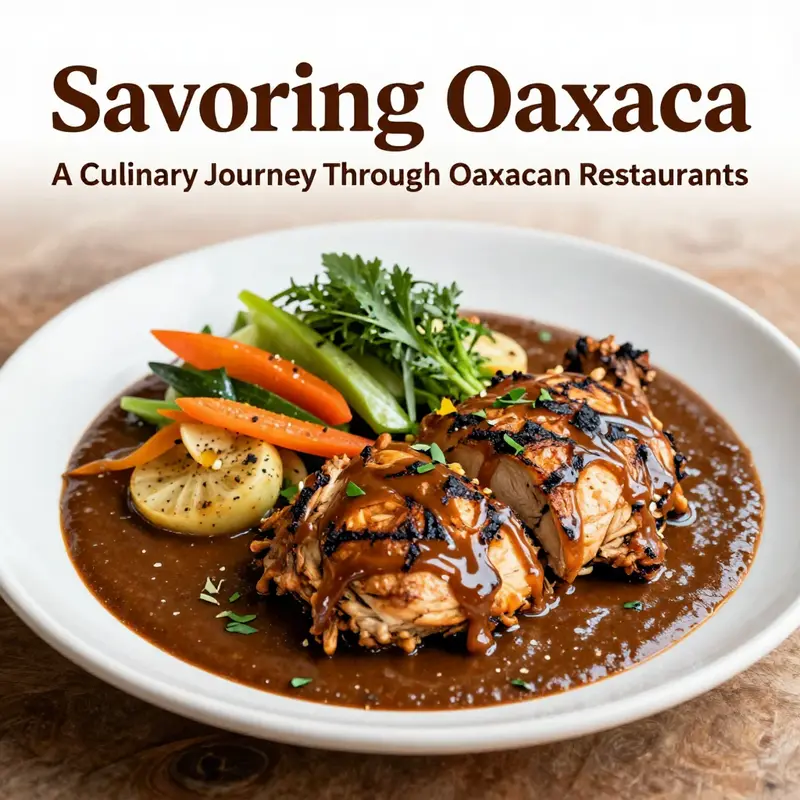
Across Oaxaca and beyond, the idea of innovation in Oaxacan dining is less a break with the past than a conversation with it. Chefs who work in or around Oaxacan kitchens inherit a field of flavors that run deep as the roots of the maize that binds the region’s meals. They know that the most striking modern interpretations do not abandon tradition; they expand it, reweaving its threads with contemporary techniques, global influences, and a renewed respect for the ingredients that have sustained communities for generations. The result is a cuisine that feels both ancient and current, a kitchen where stone mills hum beside sifters and torches, where the scent of cacao and chiles lingers in the air, and where a plate can be both a memory of a grandmother’s pantry and a bold invitation to a new palate.
In this evolving landscape, the anchor is always the same: a deep reverence for corn, chilies, and the abundant spices that grow in the highland valleys. Yet the path to a contemporary dish often begins with those same elements treated with modern precision. A long-simmered sauce built from cacao and native chiles may be coaxed into a refined satin, its bitterness balanced by fruit notes, its heat tempered by smoke and time. The sauce does not simply cloak the dish; it interacts with it, allowing the texture of a roasted vegetable, a tender shellfish, or a slow cooked piece of meat to emerge with unexpected clarity. In some kitchens, the result is a study in balance: the familiar warmth of a traditional staple complemented by a clean, almost mineral finish that speaks of new techniques and careful sourcing. The soupier, earthier notes of a classic preparation sometimes give way to a brighter, citrus lift that still carries the weight of history. It is this careful negotiation between past and present that marks the most successful modern expressions of Oaxacan cooking.
A window into this frontier can be found in the way chefs reinterpret a widely cherished texture – one that gives the Oaxacan table its distinctive bite. Imagine a large corn tortilla laid flat and toasted to a crisp, then topped with octopus that has been gently marinated in herbs and citrus and finished with a touch of smoke. The dish preserves the tortilla’s rough, comforting sturdiness while introducing the briny delicacy of seafood from the Pacific coast. The result is a dialogue between two culinary ecosystems: the land and the sea, the old world of masa and the new world of precise marination and plating. The effect is not merely surprising; it is elevating, inviting diners to rethink what a traditional base can support when paired with unexpected textures and a lacquer of acidity. In this way, a plate becomes a map of influence, a sensory journey that acknowledges local technique while courting other shores for inspiration.
Plant based interpretations have found a particularly resonant home in modern Oaxacan kitchens. A mushroom and jackfruit forward approach can mimic the depth and resonance of meat based mole, offering a cruelty free path to the same emotional arc that traditional preparations provide. Chefs pursue umami through patient reductions, mineral rich broths, and the natural savor of roasted vegetables, all while maintaining the emotional core chile heat, cacao sweetness, and a perfume of native herbs. The aim is not to duplicate a classic note but to evoke it, to recreate its emotional language in a way that respects sustainability and evolving dietary preferences. These renditions often reveal a surprising lightness, a sense that the dish has been distilled to its essential soul and then rebuilt in a form that feels modern without feeling alien to the original appetite.
Fermentation and masa craftsmanship remain central to any discussion of innovation in this cuisine. The nixtamalization of corn, the way masa ferments, and the tempo of stone ground preparation all shape new dishes just as much as new techniques do. Several kitchens experiment with fermentation to introduce tang and complexity that echo but do not mimic ancestral sauces. A touch of acidity, a whisper of earth, a hint of fruitiness from the same crop that feeds the community these nuances become the quiet heroes of the plate. The same care extends to the tortilla itself, which may be hand rolled with a whisper thin corn dough or pressed into a thicker, toastier canvas that can hold careful toppings without collapsing. The tortilla, in this sense, is not fodder but a stage on which all the elements perform.
Where the conversation truly broadens is in the way menus weave regional identity with global technique. Some kitchens invite classic innards of the region – such as slow braises and deeply roasted chiles – and cloak them with global accents like citrus emulsions, herb blends from distant coastlines, or modern smoke applications. The plating shifts toward artistry, yet the flavor remains anchored in the sensibilities of Oaxaca: a citrus sparked brightness that lifts a smoky cacao laced embrace; a prick of heat that lingers without overwhelming the palate; and a finish that leaves the diner with a memory of corn expressed in multiple dimensions. In practice, this means menus that can swing from intimate, home style bowls to bold, cosmopolitan presentations, all while honoring the land and its cyclical harvests. It is not about novelty for novelty’s sake; it is about expanding the language of a cuisine that invites conversation as much as appetite.
The dining room and the kitchen move in tandem here. The experience is often designed to be approachable, a welcome invitation to readers and visitors who might know Oaxaca only through stories of mole and traditional street fare. Yet the experience remains anchored in technique and provenance. Chefs work closely with local farmers and forage producers to ensure that a dish’s signature aromas roasted cacao, sun dried chiles, or the bright tang of a citrus grove are drawn from sources that have a personal stake in quality and sustainability. The most successful modern dishes in this lineage do more than surprise the senses; they tell a story of place, highlighting how modern methods can sustain rather than dilute a culinary identity. When a plate arrives, it is a chorus of textures and temperatures: a crisp corn base, a tender protein or mushroom, a velvet sauce with a glint of acidity, and herbs that sing of the field where they grew.
The broader culinary world has taken notice, too. While some of these kitchens are rooted in Oaxacan neighborhoods, others exist in capital cities and global culinary hubs, where chefs borrow the spirit of the region and graft it onto new ecosystems. The shared thread across these venues is not a departure from tradition but a sophisticated reinterpretation of it. It is a reminder that cuisine is an evolving language, spoken by cooks who listen to the ground and the city alike, who respect a grandmother’s pantry while embracing a scientist’s curiosity. For travelers and lovers of food, the invitation is clear seek out places that honor the core elements corn, chiles, cacao, herbs, and patience then watch as they spring to life in arrangements that feel both fresh and familiar.
If you’re curious to explore a broader slice of this evolving scene, you can glimpse how other pockets of the world respond to the same core impulses. A story from a major city’s dining scene presents a landscape where the traditional base is the same, but the interpretations vary with the chef’s imagination and the producer’s terroir. For a deeper dive into these trends, external resources provide broader context on Oaxacan gastronomy current direction and its forward facing iterations. For a broader context on Oaxacan trends, see the external resource: https://www.foodandwine.com/latin-american-cuisine/oaxacan-food-trends
Further reading and related perspectives can help connect this chapter to a wider audience. If you want to trace how a single city’s scene alternates between heritage and innovation, consider exploring the article about the San Francisco Mexican food scene, which highlights how regional flavors travel and adapt in urban settings. This internal link serves as a touchpoint for readers who wish to follow the thread of cross cultural reinterpretation without leaving the central conversation about Oaxacan cuisine. In this manner, the journey through innovative dishes becomes not a detour but a continuation of a larger dialogue about how tradition can coexist with invention, and how a table set with masa based artistry can carry a conversation across continents.
Taste of Oaxaca: A Culinary Tour Through Iconic Restaurants and Signature Dishes
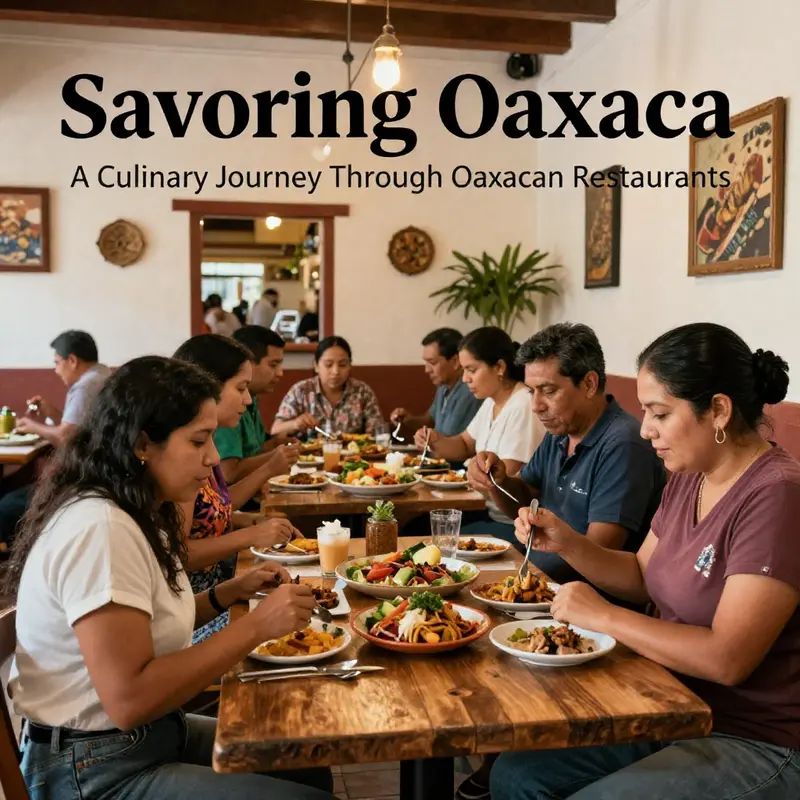
Oaxaca is not only a city of vibrant markets and sun-washed plazas; it is a living kitchen where centuries of technique, place, and communal memory are tasted in every bite. The restaurant scene here moves like a well-tuned instrument, balancing reverence for corn, chilies, and smoke with the curiosity to push flavors toward new horizons. It is in this balance that the most enduring Oaxaca experiences are built: a meal that honors tradition while inviting discovery. To understand how the city sustains this dialogue between old and new, one can travel through a handful of its celebrated dining rooms, each offering a distinct approach to the same essential ingredients. Among them, a few stand as touchstones for visitors who want more than a list of dishes; they offer a flavor map of the region’s culinary temperament, where every course feels like a conversation with the land itself.
In the heart of the city, the aura of Casa Oaxaca El Restaurante is perhaps the most purposeful reminder of Oaxaca’s endurance. Located under the shade of the Templo de Santo Domingo de Guzmán, this two-story space feels almost ceremonial in its generosity, as if the walls themselves are listening to the echoes of history. The rooftop terrace, with its view of church bells and distant hills, offers a perch where guests can watch the city drift from sunset to lamplit evening. What distinguishes Casa Oaxaca is not only the pedigree of its kitchen but the way service becomes a performance of hospitality, with staff who bring food to life and offer stories that illuminate the plates. The menu references tradition without nostalgia, weaving in subtle international accents that never overwhelm the core of local flavors. A signature moment here is a banana-centric dessert known as Platano Colorado, a dessert that exemplifies the restaurant’s devotion to balance—banana cream tempered by a gentle mezcal caramel and a whisper of oak that lingers on the palate. The dish makes a quiet argument for restraint and depth, a reminder that even a dessert in Oaxaca can feel purposeful and precise rather than merely sweet.
Across town, another long-standing pillar of the scene continues to celebrate the tactile craft of cooking, a philosophy most fully expressed at La Olla. This storied establishment, led by Pilar Cabrera, is more than a restaurant; it is a cultural ambassador who has long championed the sustenance of traditional Oaxacan flavors and the education of new cooks through the Casa de Los Sabores culinary school. The culinary language here is corn-driven and technique-forward, with open tortillas and sauces made to order offering a front-row view into the kitchen’s rhythmic choreography. The menu presents a procession of corn-based appetizers that anchor the meal in its region’s most essential ingredient: squash blossom quesadillas that crackle with freshness, and crispy plantain tacos that contrast their sweetness with a robust, coloradito-inspired depth. Mole here is treated as a living conversation rather than a single masterpiece; the black mole, in particular, is celebrated for its complexity, its spices layered into a velvet gravity that pairs surprisingly well with a sweet potato and banana puree. There are abundant vegetarian options, reflective of Oaxaca’s generous plant-based repertoire, proving that even plant-forward tables can be as indulgent as any meat course.
Not far from the city center sits another beacon of modern Mexican cuisine, Nois, a Michelin-starred restaurant that has earned its accolades by translating local ingredients into plates that feel both contemporary and reverent. The dining room itself is a study in quiet precision—clean lines, intimate lighting, and a pace that invites contemplation between bites. The kitchen relies on a seasonal cadence, drawing deep flavors from the same regional pantry but then elevating them with technique borrowed from international kitchens. The result is a menu where each course is a miniature sculpture, crafted to highlight the texture and aroma of local peppers, the sweetness of native vegetables, and the earthiness of maize. A dessert at Nois draws on the region’s banana heritage as well, with a spin on Platano Colorado that merges mezcal caramel and cream into a finale that lingers with smoky warmth. The experience is not merely about novelty; it is about a refined dialogue between Oaxaca’s past and its culinary future, a conversation that remains accessible to curious travelers who are willing to book ahead and allow the kitchen to lead them through a landscape they are only beginning to understand.
In contrast to the contemporary rigor of Nois, Taniperla Oaxaca represents a different facet of the city’s dining identity. This restaurant is renowned for returning to the essence of Oaxacan home cooking, a philosophy that makes room for both the quiet intensity of a shared family meal and the refined touch of a restaurant that has earned high praise for its consistency. The space itself feels intimate, with a dining room arranged to evoke the sense of a household table rather than a formal venue. The focus here is on the textures and memories that come from handmade masa and clay- pot methods. Handcrafted corn tortillas bring a crackle that carries a faintly roasted note, while slow-simmered beans and smoke-kissed meats reveal layers of depth that only time and care can cultivate. Diners who crave a sense of place will find Taniperla Oaxaca especially rewarding, as it invites you to savor the way a single ingredient—corn—can anchor a meal across courses that range from rustic to elegant, all anchored in the city’s enduring culinary conversation.
Beyond the individual prowess of these kitchens lies a shared devotion to a handful of foods that define the area. The top dishes of Oaxaca—the broad, chewy tlayudas with beans, avocado, and cheese; the deeply layered mole de caderas or mole negro that carries chiles, nuts, and cacao in a velvet embrace; the crisp, salt-kissed chapulines that add a earthy spark to tacos and garnishes; the memelas and totopos that transform simple corn into canvases for toppings; the Garnacha, a soft, fragrant bread enriched with cinnamon and milk; and the famous Oaxaca cheese whose melt is a quiet, unassuming luxury—are more than a catalog of flavors. They are the threads that bind the meals at Casa Oaxaca, La Olla, Nois, and Taniperla into a single, continuous story about how a region preserves its soul while inviting the future to participate. The chefs who helm these rooms, whether stewarding a school, a cookbook, or a tasting menu, understand that the real signature of Oaxaca is not one dish but a method: to honor the land through corn, chili, and spice, and to honor people by making hospitality the central course.
As travelers peel back the layers of Oaxaca’s restaurant scene, the practical side of dining becomes part of the journey. Reservations at the more contemporary rooms, like Nois, are often essential, especially for evening seating, while the more traditional kitchens welcome guests with a steadier rhythm that can include casual tasting experiences or midday meals. The sensory rhythm—smoke from the comal, citrus brightness from fresh herbs, the gentle warmth of mezcal in the air, and the sound of sabroso conversation—helps explain why the city’s food culture feels so immersive. And while the signature dishes offer memorable milestones, it is the way these meals unfold—courtesy, timing, and a sense of shared appetite—that makes the experience truly transformative. There is a quiet ceremony in Oaxaca’s best meals, a sense that eating here is a way to participate in a long, living narrative about land, family, and craft.
For readers curious about how Oaxaca’s flavors travel and resonate beyond its borders, the city’s influence has found homes in places as far afield as coastal cities and cosmopolitan enclaves. See how a San Francisco dining room interprets these ideas here: San Francisco Mexican Food.
The story of Oaxaca’s restaurants continues to unfold through menus that honor tradition while inviting personal interpretation. If you wish to explore further, you can also consult established culinary guides that profile the region’s signature dishes and the restaurants that keep them alive. For a broader context on the region’s most iconic foods, TasteAtlas offers a detailed overview of the top Oaxacan dishes and the stories behind them. TasteAtlas top 20 Oaxacan foods. The landscape is dynamic, the flavors are resolutely rooted, and every plate offers an invitation to linger a moment longer in the city that cooks with its heart as much as with its hands.
Flavors as Fortunes: The Economic Pulse of Oaxacan Restaurants and Their People
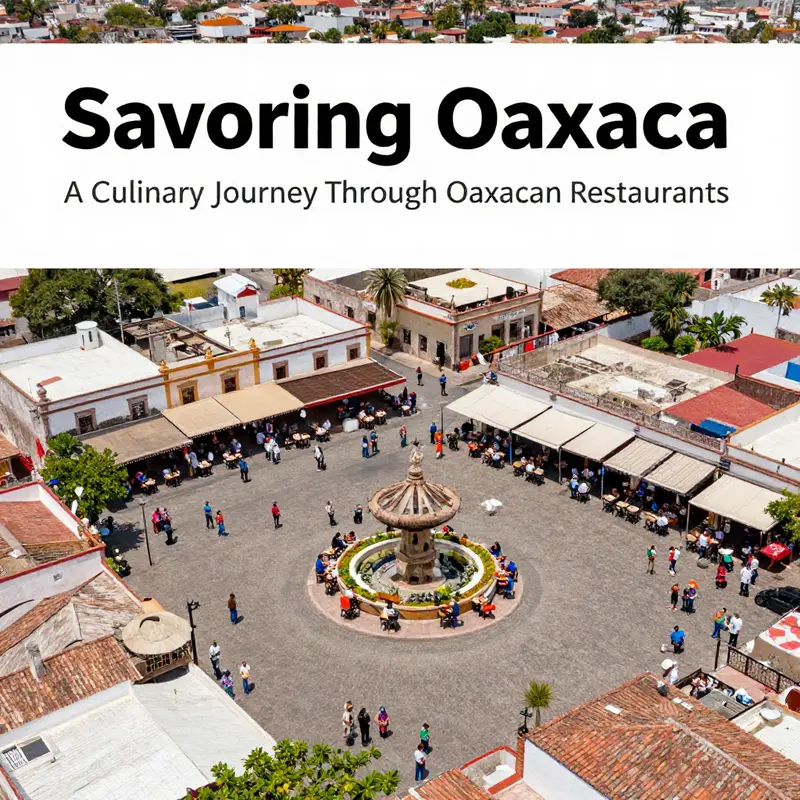
In Oaxaca, every dining room is a workshop of people and place. Restaurants are not only venues for meals but engines that transform land into livelihood. The story of La Olla, Nois, Casa Oaxaca El Restaurante, and Taniperla Oaxaca reveals how traditional technique, modern ambition, and local networks knit together to sustain communities. These places are the visible face of an economy where cooks, farmers, craftsmen, drivers, teachers, and marketers share a common stake in keeping culture alive while feeding visitors who travel to taste it. The restaurants described here range from aging family kitchens to Michelin-starred temples of craft, yet they converge on a simple truth: cuisine in Oaxaca is inseparable from people.
The primary economic contribution is employment. From the kitchen to the front of house, to the fields that supply corn and cheese, these restaurants create jobs that ripple outward. They anchor wages in a regional ecosystem where farmers, transporters, and artisans rely on stable demand. Local ingredients—especially indigenous corn and regional staples like fresh quesillo—help money circulate within the community rather than leaking to distant supply chains. Each plated portion carries a micro-economy: corn kernels become masa, masa becomes tortillas at Taniperla’s workshops, and leftovers become compost that nourishes the next harvest. The emphasis on local products sustains a cadre of farmers, millers, and cheesemakers who might otherwise struggle to find steady buyers amid price volatility in national markets.
These eateries also become stages for cultural exchange. The idea that food tourism is Oaxaca’s second-largest industry is not merely a boast; it is a measured trend anchored in the daily rhythms of markets and kitchens. Visitors seek authenticity—the scent of cacao and chilies, the voice of a grandmother rolling tamales, the sizzle of a comal—and they leave with more than a memory: they leave with a sense of place they want to share, return to, and invest in. The restaurants leverage this interest to build reputations that travel. Nois, with its Michelin profile, shows how global recognition can broaden demand, which in turn raises wages and expands opportunities for local suppliers. Yet even the most intimate casa restaurant, near the Santo Domingo complex, demonstrates that fame can be tempered with responsible sourcing and careful attention to community impact.
Training is another vital thread. The tradition of hands-on cooking instruction, exemplified by Casa de Los Sabores and its courses, creates human capital that extends beyond the dining room. When young cooks learn to balance coloradito sauces with the bright acidity of local citrus, they gain skills that translate into better yields for farms and more robust local markets. Education here is not only about technique; it is about sustaining modular supply chains that can adapt to seasonality, drought, or price shocks. In Oaxaca, where heat and drought test crops year by year, having skilled workers who can improvise with what is available matters as much as having a polished plate on the table.
The global interest in Oaxaca’s cuisine elevates local cultural capital and strengthens resilience. When a restaurant earns Michelin stars or is celebrated in international guides, it attracts investment in hiring, marketing, transport, and infrastructure. New businesses can spring from this attention, providing secondary services to the hospitality sector and expanding the reach of artisanal producers. The growth, however, is not without tension. Visible success can strain ecosystems if not managed with a view toward sustainability: overburdened supply, price spikes for staples like corn, and the risk that smallholders are squeezed by larger buyers. The best operators balance ambition with humility, choosing to keep a large share of spend within the local economy and to champion indigenous varieties that sustain soils and flavors alike.
Historical forces shaped this landscape as well. The 1994 NAFTA era altered agricultural economics by removing subsidies and tariffs that protected tortilla producers and Mexican corn farmers. The ripple effects reached kitchens far from the U.S. border, where the ability to secure affordable masa and corn flour is a daily calculation. In Oaxaca, this has translated into a push for diversified sourcing, cooperative farming arrangements, and advocacy for fair prices that reflect the true cost of cultivation and tradition. The vulnerabilities highlighted by these decades remind readers that the restaurant economy is not insulated from policy choices. Sustainable practice—shorter supply chains, transparent pricing, and investment in local producers—emerges not as a trend but as a necessity for long-term viability.
Final thoughts
Oaxacan restaurants embody a celebration of rich culinary traditions fused with modern creativity. They not only offer a taste of Oaxaca’s heritage but also play a significant role in local economies, creating jobs and attracting tourists. Understanding the cultural significance and the innovative spirit of these establishments can inspire business owners to embrace and support the local food landscape, resulting in mutual growth and appreciation for Oaxacan cuisine. By honoring the past while driving innovation, these restaurants contribute profoundly to the cultural tapestry and economic vitality of their communities.