
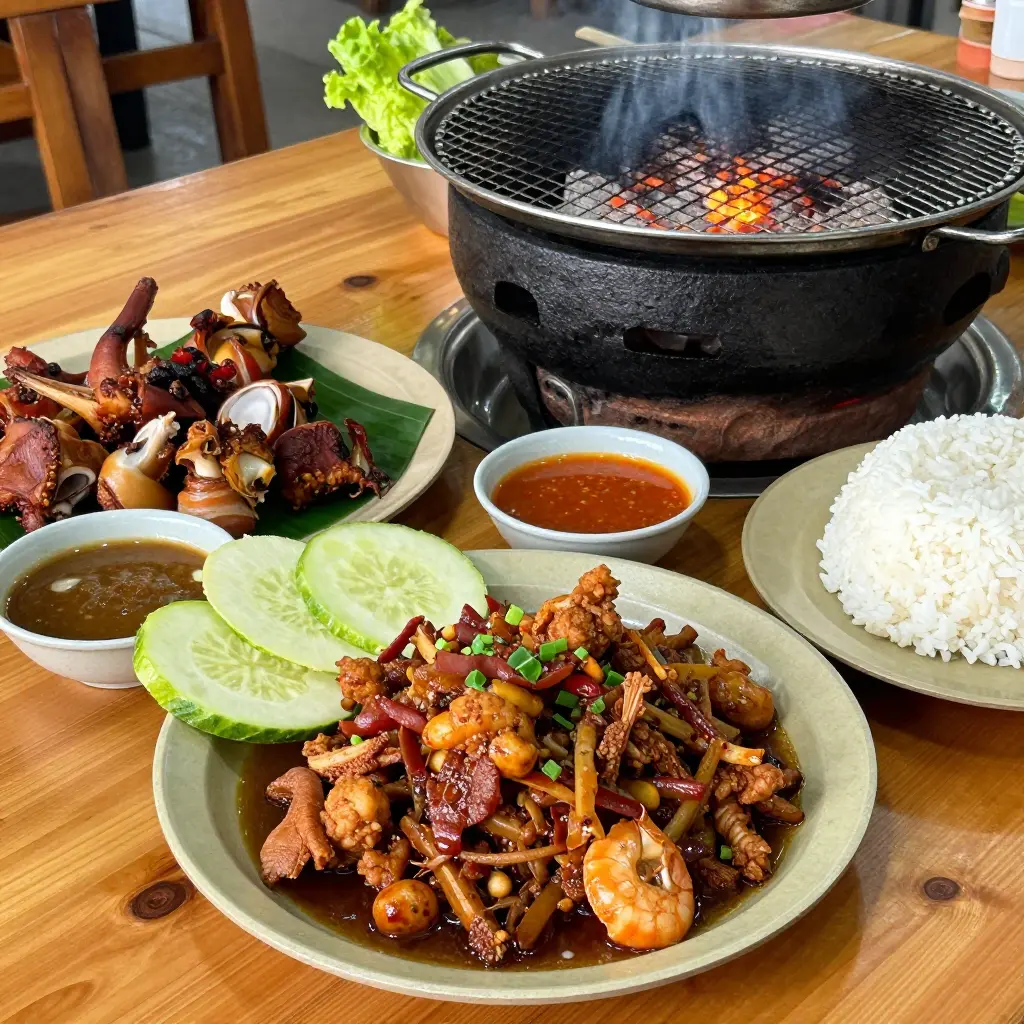
Gerry’s Grill Houston: A Destination for Filipino Sharing Plates
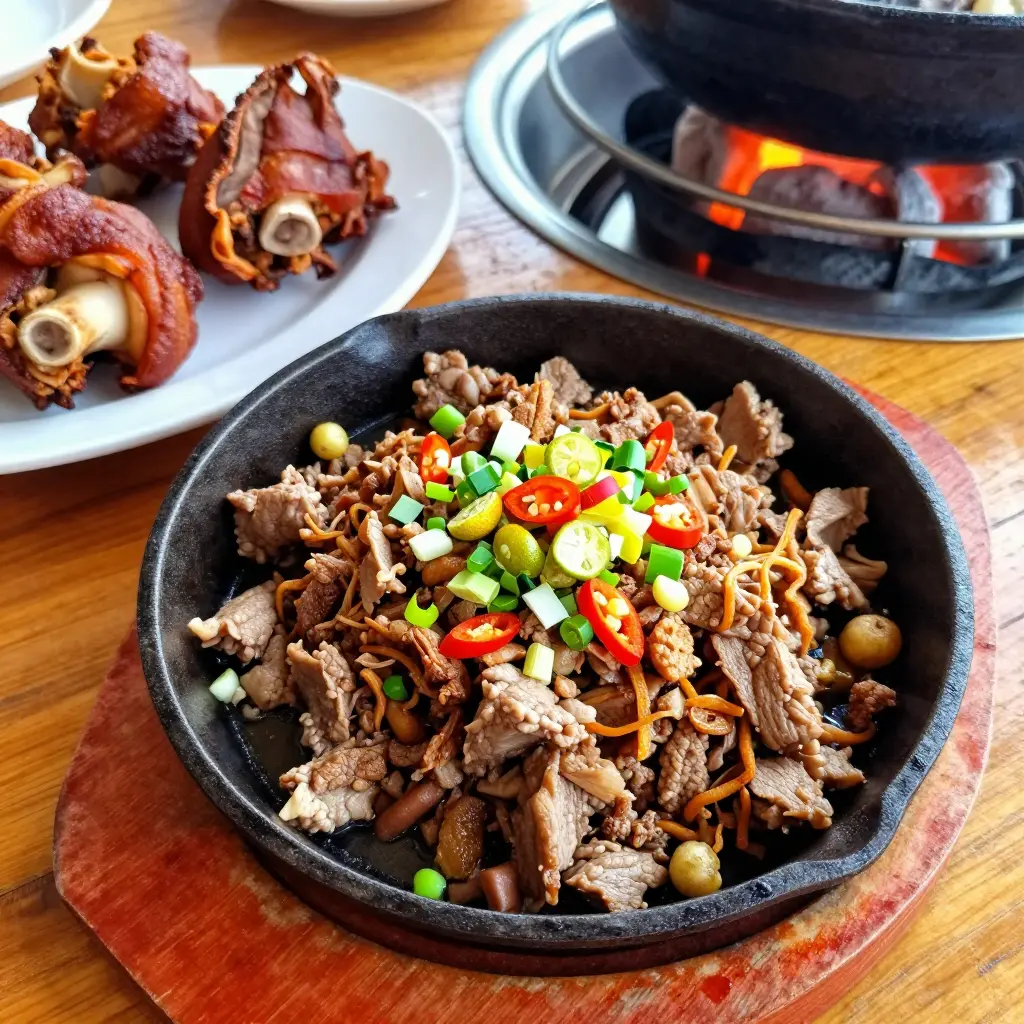
At Gerry’s Grill Houston, the table fills quickly: sisig still crackling on cast iron, a whole crispy pata, grilled skewers and seafood, rice for everyone. The menu is built for groups rather than solo diners, and two dishes – sizzling sisig and crispy pata – anchor most orders. The charcoal grill supplies the smoke and char that turn up across the rest of the menu.
The Dishes That Anchor the Table
Sisig comes out chopped and sizzling on a cast-iron plate, bright with citrus and chili. Crispy pata goes the other direction: pork knuckle simmered until tender, then fried until the skin shatters. Both are too much for one person, so steamed rice, dipping sauces, and a few other plates crowd the table alongside them.
Why the Charcoal Grill Matters
The grill does a lot of the work here. Charcoal burns hot and dry and throws off smoke as fat drips onto the coals, which is where the char and the aroma on the grilled plates come from – flavors a gas burner doesn’t reproduce. The high, direct heat also browns meat fast, building a crust before the inside overcooks.
Why Filipino Cuisine Is Built Around Sharing Plates
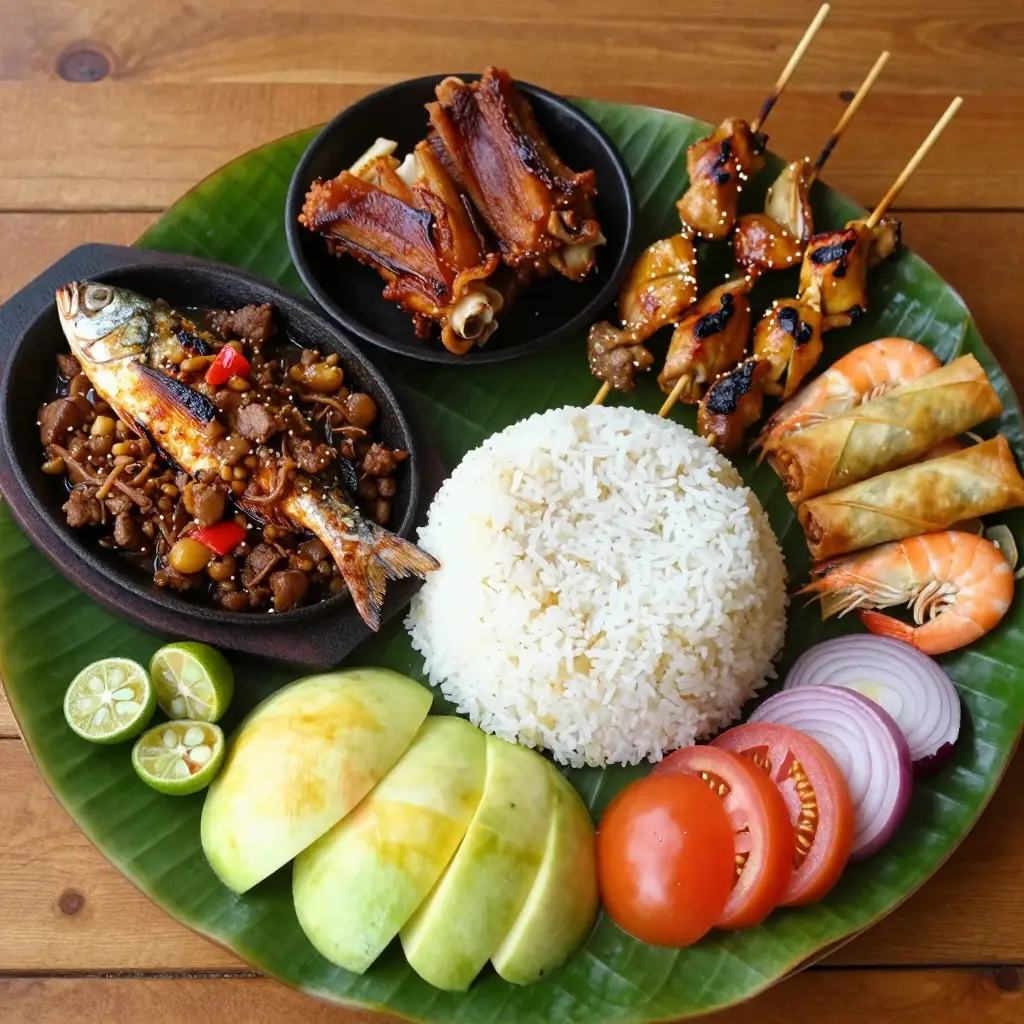
A Filipino meal is rarely a single dish. At home or at a gathering, the table usually holds several at once – a grilled fish, a stew, a pot of rice in the middle – and everyone serves themselves from all of them. Sharing is the default way the country eats.
The Family-Style Table
Dishes arrive on platters and in bowls, not as pre-portioned plates, and each person takes what they want. The mix is deliberate: something salty, something sour, something grilled, something stewed. Rice holds it together, and you build each bite from whatever is within reach.
Kamayan: Eating With Hands
Kamayan is the clearest version of this. Food – rice, grilled meats, seafood, vegetables – is spread across banana leaves, and everyone eats with their hands from the same spread. Eating without utensils slows the meal down, which is part of the point.
Sizzling Sisig at Gerry’s Grill Houston
Sisig is the dish most people come for. Chopped pork arrives still crackling on a cast-iron plate, and spoons from every side of the table go in at once.
What sisig is
Traditionally it’s made from finely chopped pork jowl, cheek, and sometimes ear, a mix of tender meat and springy chew. It’s seasoned with calamansi, chili, and onion, sometimes with a splash of vinegar or soy, and served very hot.
The texture you can hear
Texture is the whole point. Sisig sits somewhere between crisp and juicy, and the citrus cuts the fat. Every bite is smoky and tangy, as spicy as the chili makes it.
Why it sizzles
The plate does the work. It’s heated until it’s very hot, the sisig is piled on top, and the leftover heat keeps the edges browning and the fat rendering all the way to the table.
Why it anchors the sharing plates
Because it lands in the middle of the table and everyone eats from it, sisig works as a centerpiece rather than a side. It’s usually spooned over rice and ordered alongside crispy pata.
Crispy Pata: The Golden Centerpiece of the Filipino Table
Crispy pata is a whole pork leg simmered until the meat is tender, then deep-fried until the skin puffs and turns golden. The contrast is the appeal: a crisp shell around meat that comes away from the bone.
From Simmer to Sizzle
The texture takes time. The leg is simmered with garlic, bay leaves, peppercorns, and onion until tender, then left to rest and dry. Skip that step and the skin steams instead of crisping. A final fry in hot oil blisters the surface.
The Dipping Sauce
At Gerry’s Grill Houston, the dish arrives with a soy-vinegar dipping sauce loaded with chopped onion, garlic, and chili. The tang cuts through the fat of the fried pork.
A Shared Table Centerpiece
Served whole, crispy pata is less a dish than a centerpiece – ordered to be torn apart and shared, usually with sisig and something off the grill.
How a Charcoal Grill Drives the Flavor of Filipino Sharing Plates
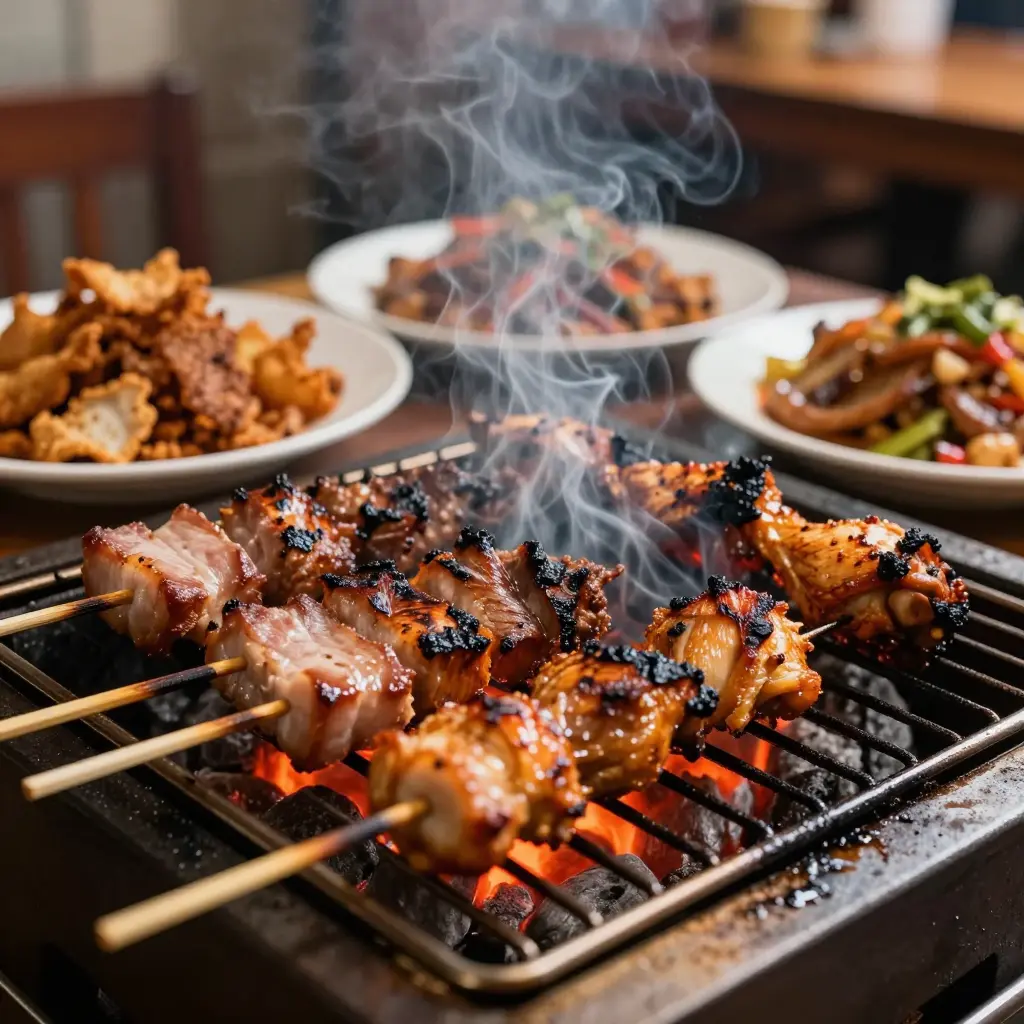
Charcoal does most of the work behind the grilled side of the menu. Skewers, seafood, and grilled meat pick up smoke and char that a gas burner or a flat-top can’t give them.
Charcoal radiates a hot, dry heat. That matters for thin cuts like pork belly and chicken inasal: a fast sear browns the outside before the inside dries out.
Then there’s the smoke. Fat drips onto the coals, vaporizes, and rises back over the food. That aroma is the part no oven or flat-top reproduces – it’s what people mean by “live-fired.”
The char marks add texture and a faint bitterness. Cooks move food between heat zones, blistering it over the hottest coals and finishing it over gentler ones so it cooks through without drying out.
Grilling also balances the rest of the table. Crispy pata is heavy and sisig is rich; grilled seafood and charred vegetables are lighter and smoky, and they keep the meal from turning into plate after plate of fried food.
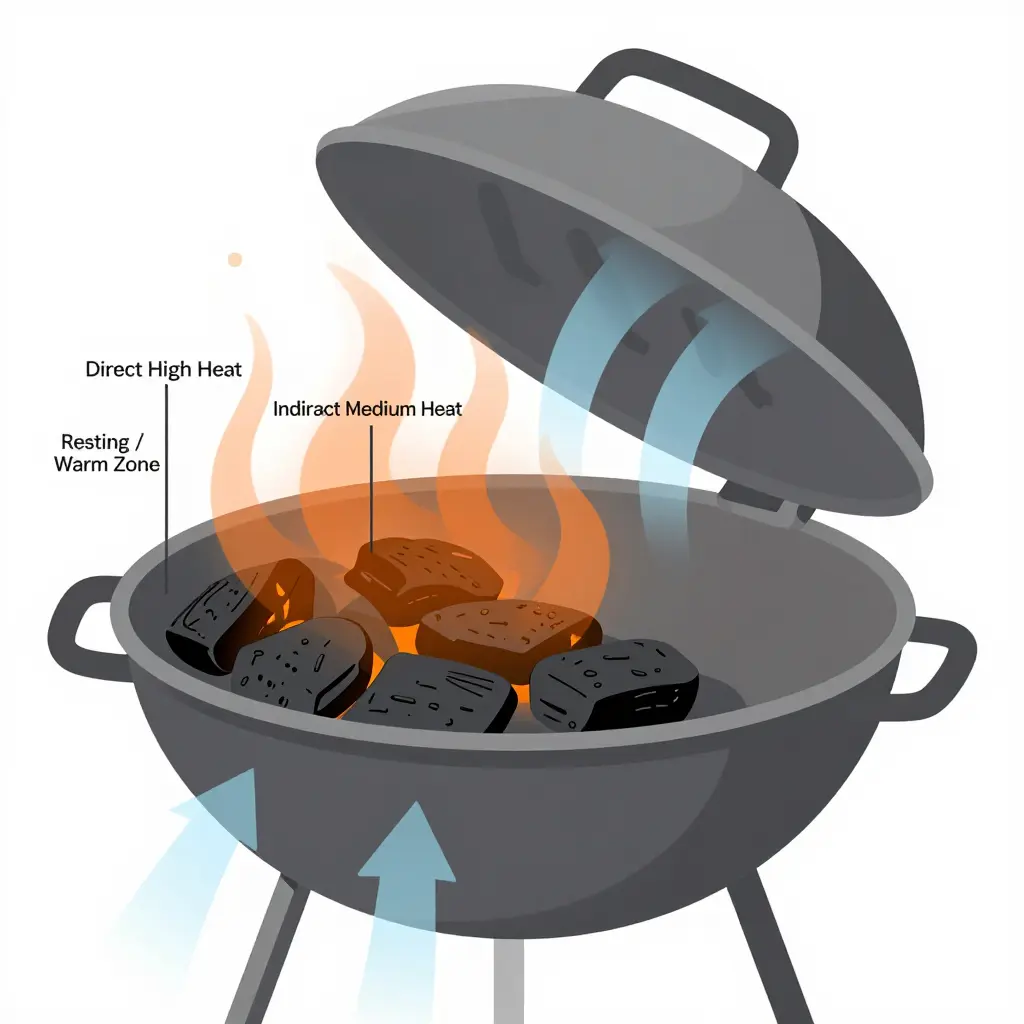
Caption idea: A cutaway of the grill: a coal bed for direct high heat, a medium zone, and a warm corner for resting – three heat zones from one fire.
Building a Balanced Filipino Sharing Feast
A good spread mixes smoke, sizzle, crunch, and something fresh.
- One grilled dish: Pork belly skewers (liempo), marinated chicken inasal, or whole grilled fish, for smoke and char.
- One sizzling dish: Sisig on cast iron, still crackling, with onion and calamansi.
- One crispy dish: Crispy pata, with soy-vinegar sauce for dipping.
- Rice: Steamed white rice soaks up the sauces and rendered fat; plan on a bowl per person.
- A vegetable or soup: Pinakbet or sinigang, for something fresh and sour.
Those five cover the textures and flavors a shared table needs.
Among the techniques behind these plates, grilling is the most common, followed by deep-frying and sizzling. The chart below compares five methods using a representative score.
Chart title: Common Filipino Cooking Methods for Sharing Plates
X-axis label: Cooking Method
Y-axis label: Popularity Score (0-100)
| Cooking Method | Representative Score (0-100) |
|---|---|
| Grilling | 92 |
| Deep-Frying | 88 |
| Sizzling | 80 |
| Stewing | 74 |
| Steaming | 60 |
How to Order Filipino Sharing Plates at Gerry’s Grill Houston
The trick to ordering here is quantity: enough food, not too much, and a mix of rich and light dishes.
How many dishes per group
Every plate is meant for the table, not one person. A workable rule: one dish per person plus one extra “anchor” plate, usually crispy pata or sisig.
| Group size | Sharing plates | Garlic rice |
|---|---|---|
| 2 people | 2-3 plates | 1-2 servings |
| 4 people | 4-5 plates | 2-3 servings |
| 6+ people | 6-8 plates | 3-4 servings |
Balance spice and richness
- Pair rich dishes like crispy pata or lechon with something sour or vinegary.
- Order at least one grilled dish.
- For every spicy dish, order a mild one.
Round it out
- Order extra garlic rice; it soaks up the sauce.
- Keep the plates in the middle of the table.
- Start with fewer plates than you think you need. You can always add more.
Related Reading on Regional Dining Styles
Sharing plates and live-fire cooking aren’t unique to the Philippines, and restaurants across the United States build menus around the same ideas. Our guide to standout regional Mexican dining covers one of them. Both cuisines show how immigrant cooks keep home recipes alive while adapting them to a new city.
Frequently Asked Questions About Gerry’s Grill Houston
What is Gerry’s Grill Houston best known for?
Sisig, crispy pata, and charcoal-grilled meats, served in portions meant for the table. The menu covers Filipino classics, and the room is set up for groups.
What exactly is sisig?
A Filipino dish of chopped pork – traditionally jowl and cheek – seasoned with calamansi, chili, and onion and served on a hot cast-iron plate. At Gerry’s Grill Houston it arrives still crackling, and you mix it at the table. It’s tangy, savory, and as spicy as the chili makes it.
How is crispy pata prepared?
The pork leg is simmered until tender, dried, then deep-fried until the skin turns golden and crisp. It’s served with soy-vinegar sauce, and the meat stays juicy under the crust.
Why does charcoal grilling matter for Filipino sharing plates?
Charcoal gives barbecue its smoky char and browned edges, which a gas flame doesn’t produce, and it adds aroma to dishes like pork skewers and grilled squid. The grill is central to the kitchen at Gerry’s Grill Houston.
Are the sharing plates good for groups and celebrations?
Yes. The portions are sized for sharing, and a mix of sisig, crispy pata, and grilled skewers lets everyone try several dishes. It works for birthdays and reunions.
What should first-time visitors order?
Sisig, crispy pata, charcoal-grilled skewers, and garlic fried rice. That covers the range. Staff can fill in the rest.
Why Gerry’s Grill Houston Defines Filipino Sharing Plates
What ties the menu together is the grill and the way the food is served. Sisig and crispy pata are the two dishes most tables order, and both are built to be passed around rather than eaten alone. That, more than any single recipe, is what the restaurant is going for.